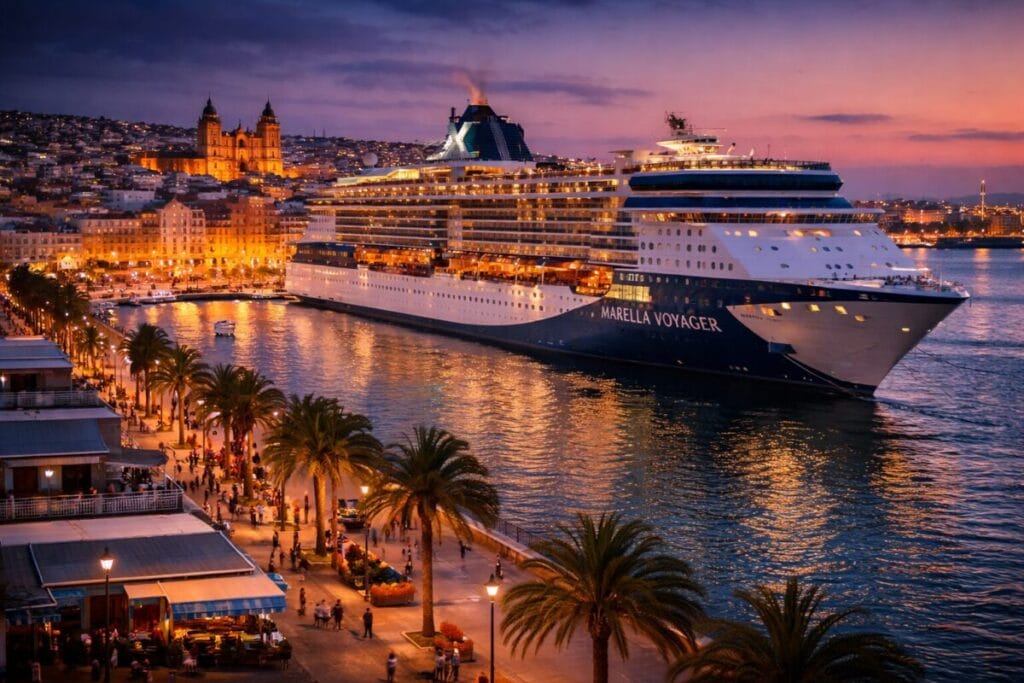
A recent Canary Islands cruise aboard Marella Voyager experienced unexpected itinerary changes after strong Atlantic weather conditions forced the ship to remain overnight in Las Palmas, Gran Canaria. The adjustment led to the cancellation of a scheduled visit to Arrecife, Lanzarote, altering the flow of the popular Canarian Flavours sailing.
Cruise operators and port authorities prioritized safety as weather forecasts predicted worsening winds. While itinerary changes can disappoint travelers, maritime protocols require immediate action when conditions affect navigation or docking safety.
The voyage began with expectations of a scenic multi-island experience across Spain’s Canary Islands. Instead, passengers gained extended time in Las Palmas, creating a different but memorable travel experience.
Strong Atlantic Winds Force Operational Decisions
The seven-night itinerary started on February 13 from Tenerife. Las Palmas served as the first planned port before the ship’s scheduled journey to Lanzarote. However, weather reports warned of increasing winds that could compromise safe departure and docking operations.
Wind speeds in Lanzarote reached levels that made harbor entry risky. The island’s exposed location in the eastern Canary Islands often increases vulnerability to strong Atlantic systems. Cruise captains must evaluate such conditions carefully to ensure passenger safety.
As forecasts intensified, Marella Cruises decided to keep the vessel sheltered inside Las Palmas harbor. Remaining docked offered protection from open sea conditions and reduced operational risks.
Maritime guidelines encourage proactive decisions rather than reactive measures. Cruise lines and port authorities collaborate closely when evaluating weather threats, ensuring that safety remains the highest priority.
Extended Stay in Las Palmas Offers Alternative Travel Experience
Although passengers missed the planned stop in Arrecife, the extended stay in Las Palmas provided unexpected opportunities. Guests enjoyed additional time exploring Gran Canaria’s capital, known for its historic architecture and lively waterfront.
The Vegueta district attracted visitors with colonial-era buildings, museums, and local dining venues. Travelers also explored beaches, shopping streets, and cultural landmarks that they might otherwise have missed during a standard daytime visit.
Evening access to the city added another dimension to the experience. Many cruise itineraries allow only limited daytime exploration, so overnight stays can offer a deeper connection to local culture.
Las Palmas serves as one of Spain’s major Atlantic cruise ports. Its infrastructure supports both embarkation and transit calls, making it a key hub for Canary Islands sailings.
Arrecife Visit Cancelled as Safety Measures Take Priority
The cancellation of the Lanzarote call disappointed some passengers who had planned excursions around volcanic landscapes and coastal promenades. Arrecife remains a popular stop for travelers seeking unique geological scenery and island charm.
Cruise operators automatically canceled shore excursions booked through official channels. Refunds ensured that guests did not incur financial loss due to the change.
Weather-related itinerary adjustments occur regularly in maritime travel, particularly during winter months. Strong winds can affect docking lines, ship maneuverability, and passenger safety during disembarkation.
Cruise lines typically choose conservative decisions when weather conditions present even moderate risk. Maintaining safety standards protects passengers, crew members, and port environments.
Berth Change Highlights Operational Flexibility
During the extended overnight stay, Marella Voyager required a berth repositioning within the port. Port authorities occasionally move vessels to optimize harbor traffic or provide greater shelter from weather conditions.
Crew members temporarily raised gangways while the ship relocated to another docking position. The transfer occurred during late evening hours to minimize disruption to guests.
Such operational adjustments demonstrate the complexity of managing busy cruise ports. Coordinated planning between harbor pilots, ship crews, and port officials ensures smooth transitions even during unexpected schedule changes.
Once the vessel secured its new berth, passengers regained normal access for exploration and onboard activities.
Continuing Itinerary Preserves Overall Cruise Experience
After departing Las Palmas, Marella Voyager resumed its planned route with a visit to Puerto del Rosario. Guests enjoyed onboard amenities during a scheduled sea day before continuing toward Madeira and other destinations.
Cruise lines aim to preserve as much of the original itinerary as possible after disruptions. Adjustments often involve rearranging port schedules while maintaining overall travel value.
Future sailings continue to include Arrecife as a destination, weather conditions permitting. This reassurance helps travelers understand that cancellations result from temporary circumstances rather than permanent changes.
Canary Islands Cruises Remain Popular Despite Weather Challenges
The Canary Islands attract winter cruise travelers due to mild temperatures and diverse landscapes. Spain’s well-developed port infrastructure supports consistent cruise operations throughout the season.
However, Atlantic weather systems can shift quickly, especially around exposed islands such as Lanzarote. Captains must remain flexible and adapt routes based on real-time forecasts.
Cruise companies invest heavily in weather monitoring technology and navigational planning. Advanced systems allow crews to anticipate challenges and adjust schedules before conditions worsen.
Passengers benefit from these safety-focused decisions, even when itinerary changes occur unexpectedly.
Travel Tips for Cruise Passengers Facing Itinerary Changes
Travelers should approach cruise itineraries with flexibility, particularly during winter sailings. Weather remains one of the few factors beyond operational control.
Staying informed through official ship announcements ensures passengers understand schedule changes promptly. Cruise lines often provide updates through onboard apps and written communications.
Travel insurance can offer additional peace of mind by covering disruptions or missed excursions. Flexible planning helps travelers adapt quickly when schedules change.
Unexpected overnight stays may also present unique opportunities to explore destinations more deeply. Many passengers discover hidden highlights when itineraries shift unexpectedly.
Safety and Experience Shape Modern Cruise Operations
The Marella Voyager incident highlights how cruise lines balance guest experience with operational safety. Rapid communication, coordinated port operations, and passenger-focused solutions helped minimize disruption.
Modern cruise travel relies on careful planning and adaptability. While weather-related changes can alter expectations, they also demonstrate the industry’s commitment to protecting travelers.
As Canary Islands cruises continue to attract global visitors, flexibility and safety will remain essential components of successful voyages.
For more travel news like this, keep reading Global Travel Wire