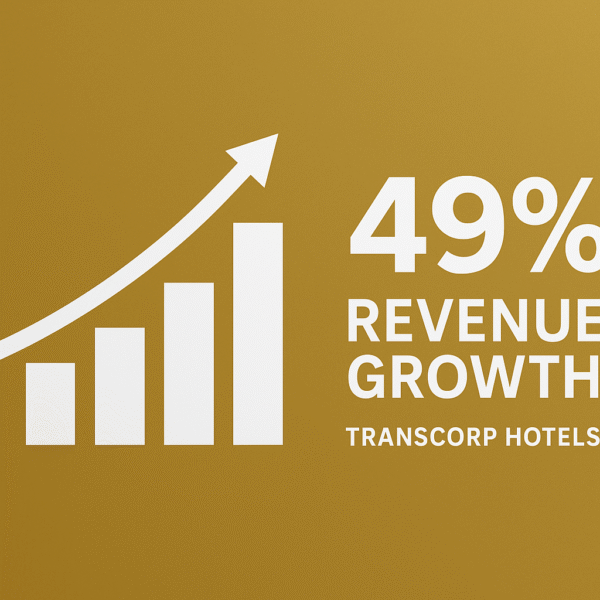
Nigeria is steadily carving out a stronger position on the global travel map, and its rising profile is underscored by a standout performance in the hospitality sector by one of its leading hotel groups. In the third quarter of 2025, Transcorp Hotels Plc reported a striking 49 percent increase in revenue compared to the same period a year earlier, signalling a buoyant recovery in travel and tourism within the country.
The company, a key player in the Nigerian hospitality landscape, generated revenue of ₦72.31 billion for Q3, compared with ₦48.49 billion in Q3 2024. At the same time, its profit before tax rose by around 36 percent to ₦22.4 billion. This kind of double-digit growth not only highlights the company’s strong operational execution but also shines a light on the broader upswing in Nigeria’s business-and-leisure travel market.
What makes this development particularly relevant for tourism watchers is how it reflects the evolving infrastructure and ambition of Nigeria’s hospitality ecosystem. With improved cost management, service innovation, elevated food & beverage offerings and a sharper focus on business-events tourism (MICE: meetings, incentives, conferences and exhibitions), the company is positioning its assets to attract both domestic guests and international visitors.
The flagship hotel in the portfolio, the Transcorp Hilton Abuja, is a prime example. It sits at the heart of Nigeria’s growing MICE economy, adjacent to the newly commissioned 5,000-seat event centre, which is now opening up the country to global conventions, corporate retreats and large-scale gatherings. It is precisely this mix of premium accommodation + event infrastructure that is creating new pull for tourism and business travel.
From a tourism perspective, this growth has multiple ripple-effects. First, higher occupancy and event volume mean increased demand for flights, transport, local services and entertainment. Second, the push toward international-standard hospitality fuelling inbound leisure travel strengthens Nigeria’s appeal for non-business visitors. Third, a successful hospitality sector signals improved visitor experience, which in turn boosts a destination’s reputation.
Nigeria’s major gateways — especially in the cities of Lagos and Abuja — stand to benefit disproportionately. Lagos, Nigeria’s commercial hub, continues to offer an eclectic mix of beach-front leisure, cultural vibrancy and urban energy. From its modern high-rises and lively arts scene, to coastal escapes like Elegushi Beach and the water sports around Tarkwa Bay, the city is becoming more attractive for travellers seeking off-beat African experiences. The more relaxed capital city, Abuja, is rapidly becoming a centre of gravity for business tourism, offering green-space relief, political-historic sites and world‐class convention facilities.
Furthermore, the natural eco-tourism corridors in regions such as the Niger Delta (with its mangrove forests and riverine boat rides) and the historic heritage city of Kano (with its ancient walls, palace and markets) present additional layers of attraction for visitors seeking diversified experiences beyond the mainstream.
For international travellers, improved access is another key enabler. Nigeria’s connectivity via major airlines – including direct routes from Europe, North America and neighbouring African countries – is steadily expanding, making travel easier and more attractive. Enhanced accommodation supply and the rising standard of service are further reinforcing the country’s capability to host large‐scale events and sophisticated leisure tourism.
For prospective visitors, a few practical tips: ensure your travel documentation is up-to-date, including any visa requirements for Nigeria; update health precautions (notably yellow fever and malaria) depending on region; plan around currency acceptance (Nigeria’s currency being the Naira) and be aware of local customs and dress codes especially in religious or rural settings. Whether visiting for business or leisure, travellers should expect a mix of modernity and rich cultural heritage.
The sobering backdrop is that Nigeria has faced its share of headwinds – from economic fluctuations and infrastructure gaps to global travel shifts – but the 49 percent revenue surge by Transcorp Hotels in Q3 2025 shows the hospitality sector is on a firmer footing. This is a strong signal that Nigeria is not just recovering, but is preparing for growth in its travel and tourism footprint. As the company scales its assets and service offering, it is helping to raise the standard of hospitality across the country, thereby enhancing Nigeria’s credibility as a travel destination.
In short, the growth of Transcorp Hotels is more than just a corporate story—it is a window into a bigger tourism narrative for Nigeria. As business and leisure demand converges, as convention-capacity expands and service standards climb, the country is building momentum to be a destination for the world. For tourism professionals, investors and travellers alike, the message is clear: Nigeria’s hospitality sector is accelerating, and the journey ahead looks promising.
For more travel news like this, keep reading Global Travel Wire