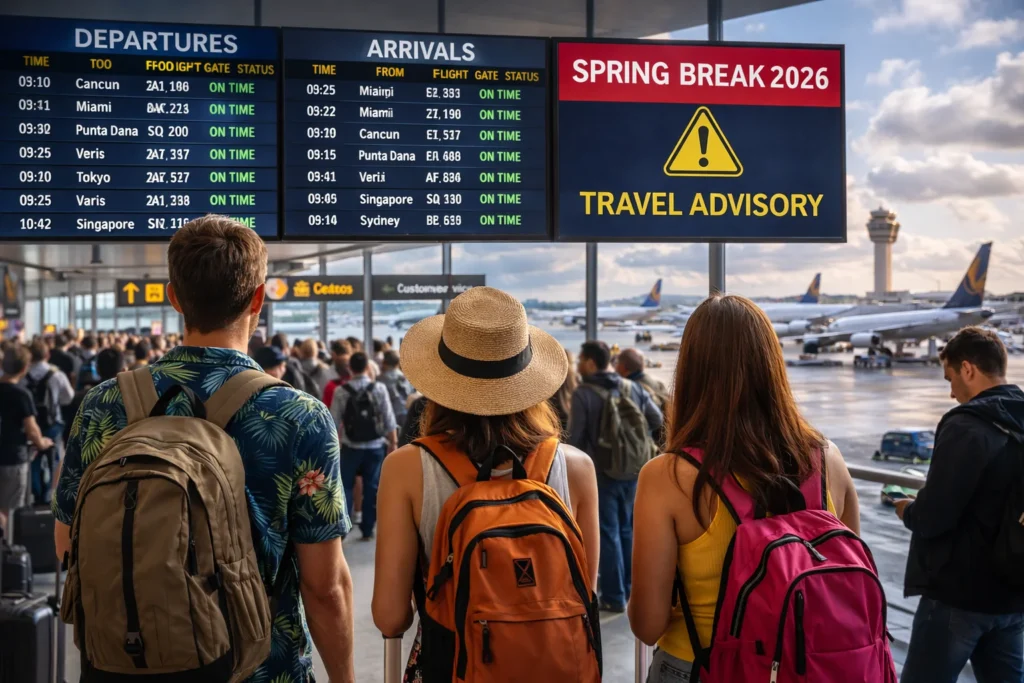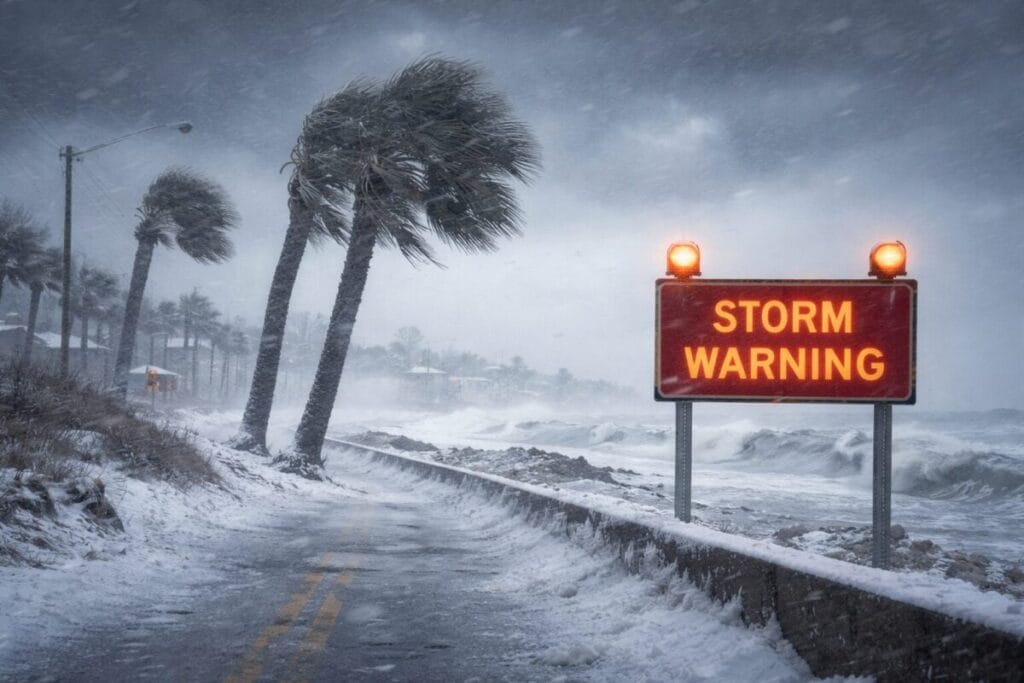
A powerful Nor’easter is forecast to impact the Carolinas and Virginia this weekend. Weather agencies warn of heavy snow, damaging winds, and coastal flooding across the Southeast and Mid-Atlantic coast. Travelers should prepare for serious disruptions, especially in popular tourist areas.
Meteorologists expect the storm to strengthen rapidly as it moves along the coast. This development increases the risk of dangerous road conditions, flight delays, and temporary closures of tourist attractions. Visitors should stay alert and adjust travel plans early.
Winter Storm Alerts Cover Major Tourist Regions
Winter storm warnings remain in effect across wide sections of North Carolina, South Carolina, and Virginia. Parts of northeast Georgia, eastern Tennessee, and southern Virginia also fall under storm alerts.
Key travel and tourism areas likely to see severe impacts include:
- Outer Banks and coastal North Carolina towns
- Charleston and Myrtle Beach in South Carolina
- Raleigh and surrounding inland destinations
- Virginia Beach and nearby coastal communities
- Barrier islands such as Ocracoke and Manteo
Snow-covered roads, reduced visibility, and icy conditions may affect highways, bridges, and coastal routes. Travel during peak storm hours could become hazardous.
Why This Storm Could Intensify Rapidly
This Nor’easter may undergo rapid strengthening, a process known as bombogenesis. This occurs when a storm’s central pressure drops sharply in a short period.
Cold Arctic air moving south will collide with warm Atlantic moisture. This clash fuels heavier snowfall and stronger winds. As pressure gradients tighten, wind gusts can intensify quickly, especially along exposed coastlines.
Such storms often bring sudden changes in weather conditions. What begins as light snow can turn severe within hours.
Expected Snowfall, Wind, and Coastal Hazards
Forecasters predict widespread snowfall across inland and coastal regions. Northeast North Carolina and southeast Virginia could see 8 to 12 inches of snow. Some inland locations may record even higher totals.
Strong winds pose another serious threat. Gusts could reach or exceed 60 miles per hour in coastal and elevated areas. These winds increase the risk of falling trees, power outages, and blocked roads.
Along the coast, high tides combined with onshore winds may trigger flooding. Beach erosion and water-covered roadways could disrupt access to resorts, historic districts, and ferry services.
What Travelers Should Expect on Roads and at Airports
Road travel may become dangerous or impossible during the height of the storm. Snowplows and emergency crews will work continuously, but heavy snowfall rates can overwhelm clearing efforts.
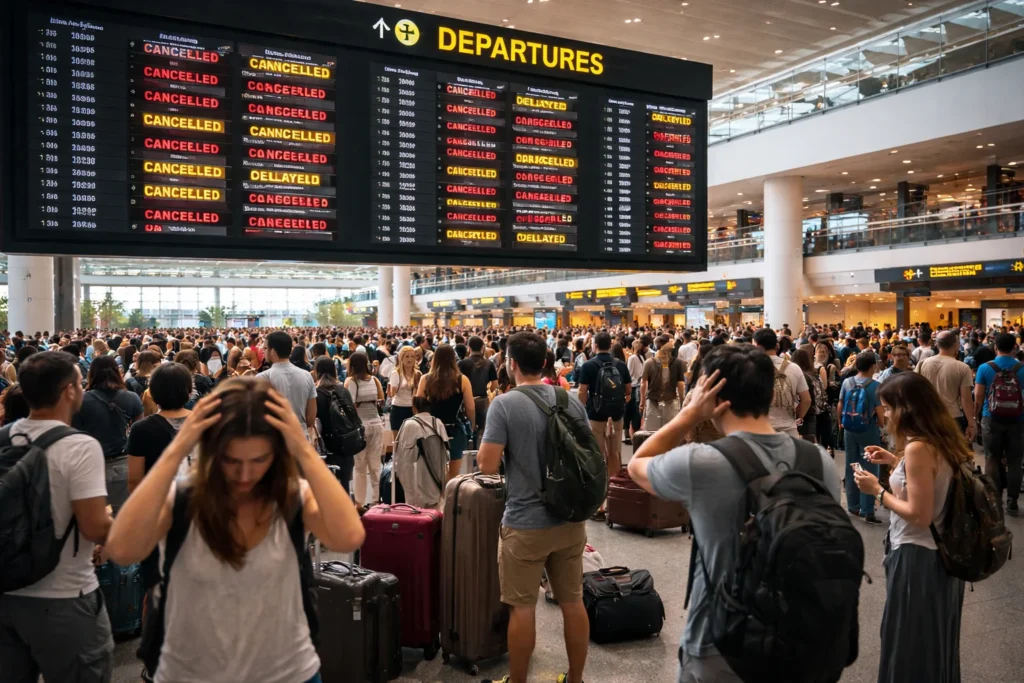
Air travel is also likely to face delays and cancellations. Regional airports serving coastal and inland cities may reduce operations due to snow, wind, or visibility issues. Travelers should confirm flight status before heading to the airport.
Public transportation, ferries, and shuttle services in coastal destinations may pause operations temporarily.
Safety Advice for Visitors and Residents
Tourists and locals should take practical steps to stay safe:
- Delay non-essential travel until conditions improve
- Pack emergency supplies if travel is unavoidable
- Keep mobile devices fully charged
- Avoid coastal roads during high tide periods
- Follow instructions from local authorities without delay
Preparation matters most when weather conditions shift quickly. Visitors unfamiliar with winter storms should act cautiously.
Impact on Hotels, Attractions, and Local Events
Tourism infrastructure may face short-term closures. Hotels could adjust check-in schedules. Historic sites, museums, and outdoor attractions may close for safety reasons.
Local events, tours, and excursions may also be postponed or canceled. Travelers should contact accommodations and tour operators directly for updates.
Emergency management teams across the region are coordinating closely with weather services. Their focus remains on public safety, power restoration, and road access.
Understanding Winter Storm Alerts
Weather agencies use several alert levels to communicate risk:
- Winter Storm Watch: Conditions may develop soon
- Winter Storm Warning: Severe weather is expected or occurring
- Blizzard Warning: Snow and wind will severely limit visibility
Understanding these alerts helps travelers judge timing and risk more accurately.
Final Travel Advisory for Tourists
This Nor’easter poses a serious risk to travel across the Carolinas and Virginia. Visitors should place safety above schedules and remain flexible with plans. Weather conditions may worsen rapidly, especially overnight and near the coast.
Tourists are advised to monitor local updates closely and follow all official guidance. With preparation and caution, travelers can reduce risk while this major winter storm moves through the region.
For more travel news like this, keep reading Global Travel Wire