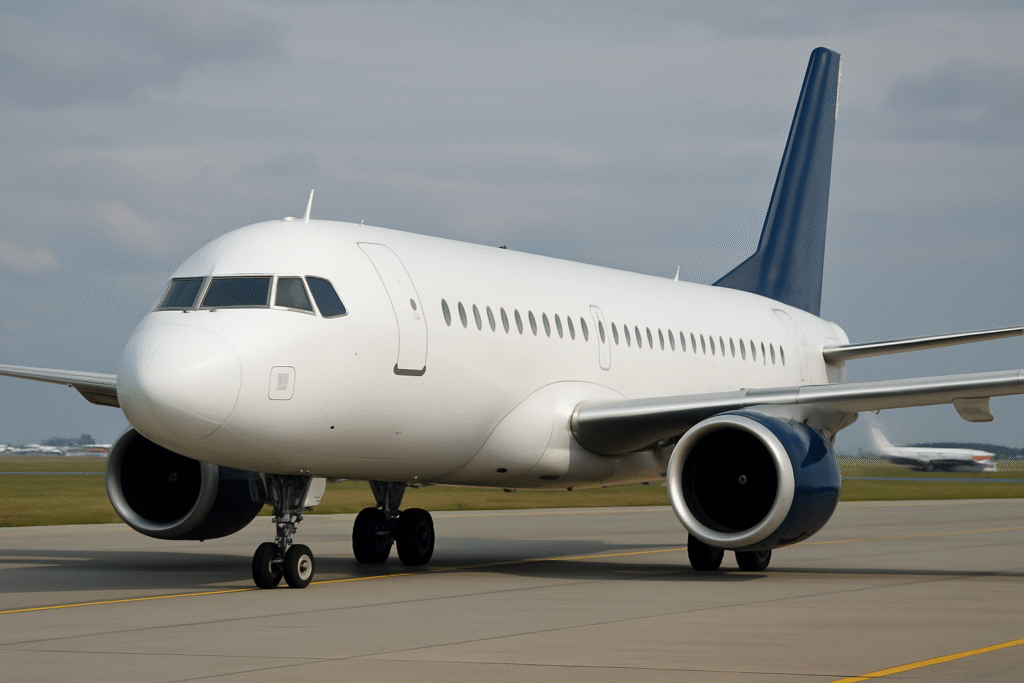
Porter Airlines, known for its expanding network across Canada and select U.S. destinations, has experienced several emergency and precautionary landings between 2022 and 2025 involving both its De Havilland Dash 8-400 turboprops and Embraer E195-E2 jets. While these occurrences remain rare considering the airline’s overall flight volume, each incident reveals valuable insights into aircraft performance, crew training and the complexities of operating in Canada’s variable weather conditions.
Transport Canada and other aviation authorities maintain some of the strictest safety oversight frameworks globally, and Porter’s responses to these events offer a window into modern safety management practices.
Uncommanded Yaw and Engine Shutdown – August 2022
In August 2022, a Porter Dash 8-400 approaching Toronto Billy Bishop Airport experienced sudden uncommanded yaw movements during descent. The flight crew acted swiftly by completing emergency procedures, shutting down the affected engine and diverting the flight to Hamilton. All passengers and crew arrived safely.
Subsequent inspections confirmed that the issue stemmed from a faulty propeller electronic controller, which was replaced. Transport Canada’s reporting system notes that such events, while alarming for passengers, are managed through strict protocols designed to prevent escalation. The crew’s rapid response showcased the benefits of recurrent simulator training that Canadian carriers are required to complete annually.
Runway Overrun in Sault Ste. Marie – April 2023
A year later, in April 2023, a Porter Dash 8-402 flying from Toronto to Sault Ste. Marie overran the runway after landing at a higher-than-recommended speed on a wet surface. Because the flight doubled as an instructional session for a newly qualified first officer, the captain delayed intervention to allow the trainee to manage the landing.
The aircraft touched down too far along the runway, and with limited stopping distance remaining, slid past the pavement onto soft ground. No passengers were injured, and the aircraft remained intact.
Investigators highlighted the importance of stable-approach criteria, particularly at airports with shorter runways or wet conditions. Updated guidelines now reaffirm that training captains should assume control earlier when approach parameters deviate from recommended limits. Wet-runway landing performance has become an area of enhanced emphasis for Canadian airlines in recent years, aligning with international aviation best practices.
Hard Landing and Tail Strike in Fredericton – June 2024
In June 2024, a Porter Dash 8-402 arriving in Fredericton encountered a hard landing that resulted in a tail strike. The high descent rate combined with a late flare produced a vertical impact strong enough to cause structural damage to the landing gear and fuselage.
The crew executed a safe go-around and returned for a second landing without further complications. Maintenance teams later discovered fuselage indentations requiring significant repair work.
This incident emphasised the importance of pitch-awareness training during landing. Because the Dash 8-400 is a relatively long-bodied turboprop, maintaining correct pitch attitude is crucial for preventing tail strikes. Porter reportedly strengthened landing-technique modules within its training syllabus following the event.
Aviation safety regulators consistently encourage carriers to enhance go-around decision-making, as unstable approaches remain a leading global contributor to landing accidents. Porter’s actions following this event reflect these broader safety priorities.
Smoke Odour Leads to Precautionary Landing – July 2025
In July 2025, one of Porter’s Embraer E195-E2 jets diverted to Regina after cabin crew detected a faint odour of smoke. Although no visible smoke or fire was found, the captain declared an emergency and swiftly descended to a safer altitude before landing without incident.
Modern jets are equipped with advanced air-quality and smoke-detection systems, and regulations in Canada require immediate diversion if smoke is suspected. Even unexplained odours demand precautionary action, given historical lessons from international aviation safety investigations. Porter arranged overnight accommodations for passengers and returned the aircraft to service after inspections showed no hazards.
What These Events Mean for Travellers
Although the sequence of events from 2022 to 2025 may appear concerning, they also demonstrate the strength of Canada’s aviation safety system. Emergency landings do not necessarily indicate systemic danger; instead, they often confirm that crews are trained to act decisively when anomalies occur.
Each Porter Airlines incident resulted in safe landings with no injuries—an outcome consistent with high safety standards upheld by Transport Canada, the Transportation Safety Board and international bodies like ICAO.
These events highlight three key themes emerging across the aviation sector:
1. The Critical Importance of Crew Training
From managing uncommanded yaw to executing go-arounds, flight crews rely on recurrent simulation training that mirrors complex real-world scenarios. Porter’s post-incident adjustments demonstrate a commitment to evolving its safety practices.
2. Stable-Approach and Landing Discipline
Several events underscore how approach speed, descent rate and runway conditions directly influence landing outcomes. Reinforcing stable-approach criteria remains a global safety focus.
3. Conservative Diversion Policies Benefit Travellers
The 2025 smoke-smell diversion shows that erring on the side of caution—especially with new aircraft types—prioritises passenger safety over schedule reliability.
A Safer Future for Porter Passengers
Porter Airlines continues to grow its fleet and expand service across Canada and beyond. While the emergency landings between 2022 and 2025 have raised public curiosity and occasional concern, they also illustrate a strong adherence to aviation safety principles. Rigorous training, transparent reporting and immediate corrective action remain central to Porter’s operations, offering reassurance to travellers planning future journeys.
For more travel news like this, keep reading Global Travel Wire