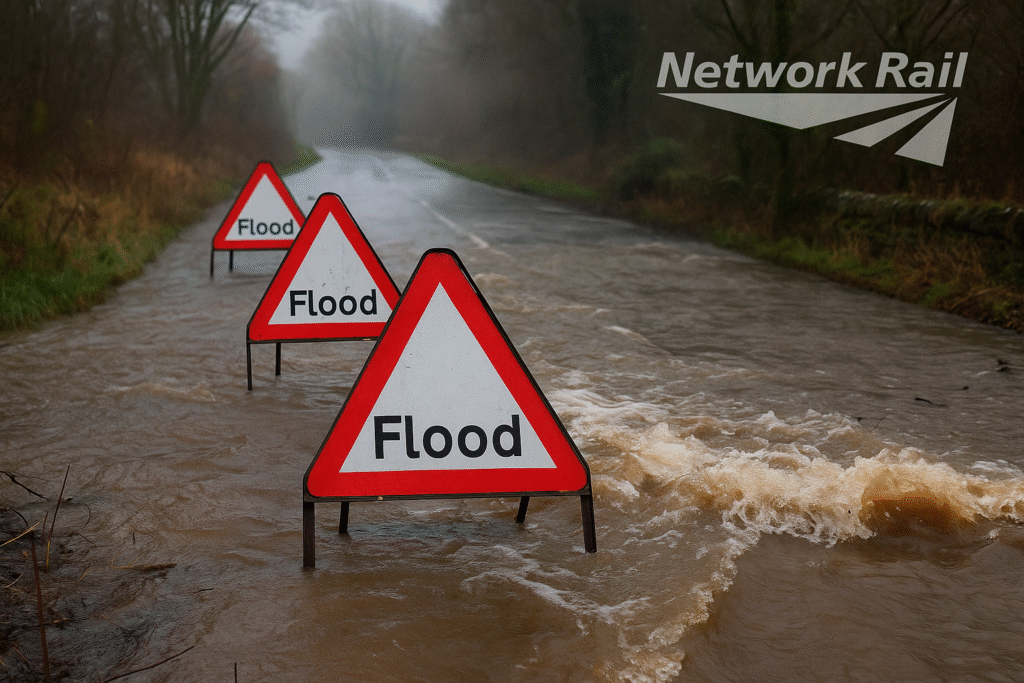
A powerful weather system is causing major disruption across several regions, including Scotland, North West England, and parts of Canada. Heavy rainfall, strong winds, and rising floodwaters are affecting transport networks, tourism activity, and daily life. Authorities have issued multiple warnings as conditions continue to deteriorate, urging residents and travelers to take extra care.
This prolonged spell of extreme weather is already impacting rail services, road travel, and outdoor tourism plans. With more rain forecast over the coming days, the risks remain high.
Scotland Faces Heavy Rain and Dangerous Flooding
Large parts of southern and south-west Scotland are experiencing persistent downpours. Areas such as Dumfries and Galloway, Ayrshire, and the Southern Uplands are among the worst affected. Rainfall totals are expected to exceed 100 millimeters in some locations within a short period.
The already saturated ground cannot absorb further rain. As a result, rivers are rising quickly and surface water flooding is spreading across towns and rural areas. Fast-flowing water poses a serious threat to life, especially near riverbanks and low-lying roads.
Strong south-westerly winds are adding to the danger. Gusts of up to 80 miles per hour are likely in exposed coastal and highland areas. These winds increase the risk of fallen trees, power outages, and blocked transport routes.
North West England Sees Escalating Flood Threats
In North West England, Cumbria is facing particularly severe conditions. Forecasts suggest rainfall totals could reach or even exceed 200 millimeters over a 48-hour period. Such volumes significantly raise the risk of river flooding and landslips.
Popular tourist areas, including national parks and rural villages, are vulnerable. Walking trails, scenic roads, and heritage sites may close at short notice due to unsafe conditions. Visitors are being advised to delay trips and avoid flood-prone locations.
Road travel is becoming increasingly difficult as standing water spreads. Emergency services are responding to incidents involving stranded vehicles and flooded properties.
Canada Braces for Similar Weather Patterns
Canada is also dealing with intense rainfall and flood risks in several regions. Weather agencies have warned of prolonged rain events that could overwhelm drainage systems and swell rivers. Urban flooding, road closures, and disruptions to domestic travel are expected in affected provinces.
Tourism operators are monitoring conditions closely. Outdoor attractions, including parks, coastal areas, and adventure tourism sites, may limit access to protect visitors and staff. Travelers are encouraged to check local advisories before continuing their journeys.
Rail and Transport Networks Under Pressure
Transport disruption is one of the most immediate impacts of the severe weather. Rail operators in Scotland and North West England have introduced speed restrictions and safety measures across flood-prone routes.
Key Rail Impacts
- West Coast Main Line: Services connecting Scotland with major English cities are experiencing delays and cancellations. Longer journey times are expected.
- Regional Rail Routes: Several local lines in Scotland face suspensions due to flooding, debris, and landslip risks.
- Replacement Services: Bus replacements are in place on some routes, though these may also face delays due to road conditions.
Air travel may also be affected. Strong winds and reduced visibility can cause delays at regional airports, especially on short-haul routes.
Why This Weather Event Is So Severe
A slow-moving low-pressure system is driving this prolonged weather event. It is drawing in moist air and releasing heavy rain over the same regions for an extended period. Because previous storms have already soaked the ground, even moderate rainfall now leads to rapid runoff.
Climate experts note that such intense and slow-moving systems are becoming more frequent. This trend increases the pressure on infrastructure and emergency services, particularly in popular travel regions.
Impact on Tourism and Daily Life
Tourism businesses are facing cancellations and operational challenges. Outdoor activities, festivals, and sightseeing tours are being postponed or called off. Accommodation providers are managing last-minute changes as travelers adjust plans.
Local communities are also affected. Flooded homes, disrupted utilities, and limited mobility are creating daily hardships. Authorities are prioritizing safety and emergency response while working to keep essential services running.
Safety Advice for Travelers and Residents
Authorities continue to stress the importance of caution during this period of severe weather.
Key Safety Tips
- Avoid non-essential travel in affected regions.
- Do not drive or walk through floodwater, even if it appears shallow.
- Monitor weather updates and transport announcements closely.
- Prepare for possible power cuts by keeping essentials ready.
- Follow instructions from local emergency services without delay.
Outlook for the Coming Days
The next 48 hours remain critical as rain continues to fall across Scotland, North West England, and parts of Canada. Flood risks will stay high until water levels begin to recede and weather systems move on.
Travelers with upcoming plans should remain flexible and prioritize safety over schedules. Tourism recovery will depend on how quickly conditions stabilize once the storms pass.
For now, vigilance and preparedness remain essential as severe weather continues to shape travel and tourism across multiple regions.
For more travel news like this, keep reading Global Travel Wire