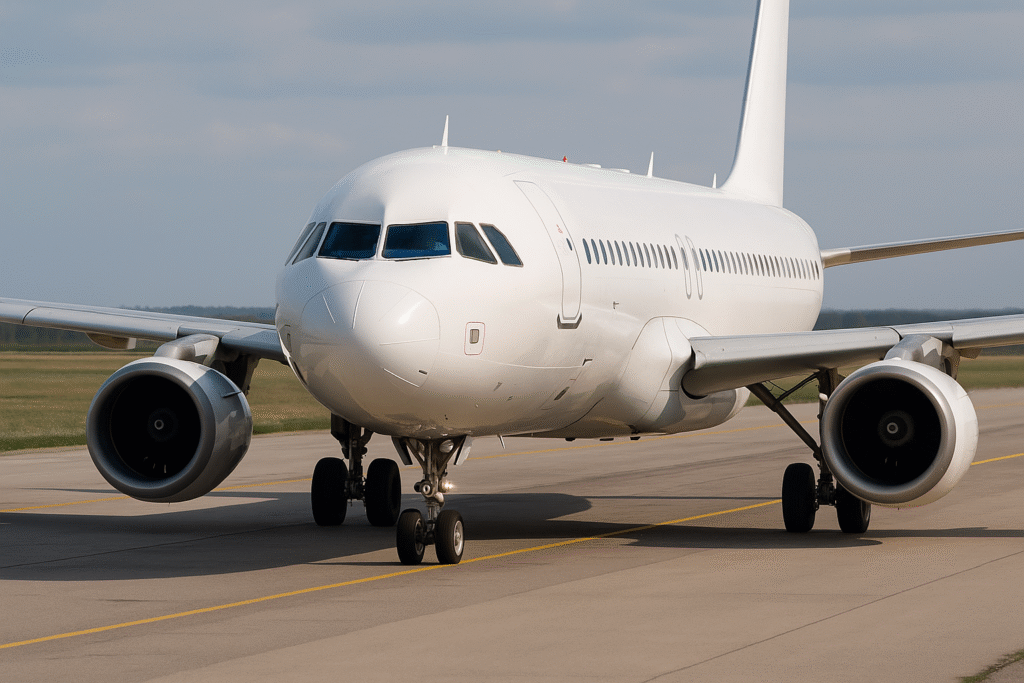
Scoot, the low-cost arm of Singapore Airlines, has faced a series of emergency landings, diversions and in-flight disruptions from 2022 to 2025. While no fatalities have occurred and most incidents were handled professionally, the frequency of events has prompted growing public interest in the airline’s safety culture, maintenance protocols and operational decisions. These occurrences span technical issues, unexpected turbulence, a runway incursion and even a fire caused by a personal electronic device. Together, they offer a revealing look at how a major regional carrier responds to evolving aviation challenges.
Technical Turnback to Perth – July 2022
In July 2022, Scoot flight TR009 returned to Perth only 20 minutes after departure when the crew detected a technical fault. The aircraft landed safely, but the situation highlighted the tight operational margins faced by low-cost airlines operating long-haul routes. Spare parts were unavailable locally, causing delays and accommodations for stranded passengers. While the airline arranged hotels and rebooking options, the incident showed how regional maintenance availability can influence flight resilience. For travellers, it reaffirmed that airlines often choose caution over continuation when a potential system fault arises shortly after take-off.
Missing Nose Wheel on a Dreamliner – June 2023
One of Scoot’s most startling episodes occurred in June 2023. A Boeing 787-9 flying a multi-stop route from Singapore to Incheon, Taipei and back continued an entire flight segment without one of its nose-landing-gear wheels. Unknown to the crew, the wheel detached during pushback in Incheon due to corrosion and bearing failure. No cockpit indications alerted pilots to the missing wheel. Air traffic authorities notified the crew mid-flight, prompting close monitoring of tyre-pressure systems until the aircraft landed safely in Taipei.
Remarkably, the aircraft completed the landing without incident, demonstrating the Dreamliner’s robust structural engineering. Yet the episode raised concerns about inspection routines, corrosion monitoring and communication systems between ground crews and flight crews. For the hundreds of passengers aboard, the revelation that a major component was missing only came after the aircraft had landed.
Runway Incursion at Changi Airport – February 2024
In February 2024, Scoot was involved in a runway-incursion incident at Singapore Changi Airport, one of the world’s busiest hubs. A Korean Air aircraft had not fully vacated the runway when Scoot flight TR895 was cleared to land. Air-traffic control judged there was sufficient clearance for Scoot to continue the approach rather than perform a go-around, which can carry risks of its own in congested airspace.
The Scoot aircraft passed behind the first aircraft without conflict, but the event spotlighted the high-precision coordination required at major international airports. Singapore’s aviation authorities classified the situation as an incident rather than an accident, but it underscored how runway traffic complexity can create unexpected hazards even without mechanical faults.
Smoke Smell on Bali-Bound Flight – April 2024
Only two months later, passengers on a Scoot flight to Denpasar detected a smell of smoke soon after take-off. Although no visible smoke or flames were present, the crew made the precautionary decision to return to Changi Airport. The decision reflects global aviation policy that treats any smoke-related report as potentially serious until proven otherwise. After landing without incident, passengers were provided meal vouchers and placed on a replacement aircraft later that morning. While inconvenient, the event reinforced the importance of proactive measures when cabin odours occur.
Severe Turbulence Over South China – September 2024
One of Scoot’s most serious incidents occurred in September 2024 during descent into Guangzhou. As the aircraft approached its destination, it encountered sudden clear-air turbulence linked to unstable weather patterns associated with Typhoon Yagi. With fasten-seat-belt signs switched off during a perceived calm period, passengers and cabin crew were caught off guard.
Two individuals suffered serious injuries, prompting the flight crew to prioritise stabilising the aircraft and continuing to Guangzhou. The episode highlighted the unpredictable nature of clear-air turbulence — a growing global concern as weather systems intensify. Safety authorities worldwide, including those in Singapore, have since encouraged airlines to adopt more conservative seat-belt-usage policies.
Technical Return to Xi’an – February 2025
In early 2025, a Scoot Airbus A321neo departing Xi’an returned shortly after take-off following reports of sparks or flashing lights near the left engine. Though the airline later confirmed that it was a non-fire-related technical issue, passengers described seeing bright flashes that caused alarm. The crew followed emergency procedures, declared a precautionary return and landed safely with emergency teams on standby. With repairs requiring extra time, Scoot cancelled the flight and rebooked passengers, emphasising its commitment to safety over schedule.
Power-Bank Fire on Hong Kong Route – November 2025
The most recent event in November 2025 involved a small fire caused by an overheating power bank in the cabin. Lithium-ion batteries remain a growing aviation hazard, and this incident illustrated how quickly such fires can ignite. Scoot’s cabin crew extinguished the flame and secured the device, ensuring the aircraft continued safely to Singapore. Upon landing, emergency services met the aircraft to confirm no further risk. With such devices now widespread among travellers, the event reinforces why airlines strictly regulate spare batteries and portable chargers.
What Travellers Should Know
From 2022 to 2025, Scoot’s challenges reveal several patterns shaping modern air travel:
1. Crew Responses Matter More Than the Event Itself
Across all occurrences, flight crews acted decisively — from turning back after mechanical warnings to managing turbulence and cabin fires. These actions prevented escalation.
2. Maintenance Standards Are Under Constant Scrutiny
Incidents like the missing nose wheel and technical faults stress the importance of rigorous inspection programs and corrosion monitoring, especially for airlines operating in diverse climates.
3. Passenger Electronics Pose Real Risks
The 2025 fire highlights the ongoing need for travellers to store power banks safely and follow airline instructions regarding battery devices.
4. Safety Always Overrides Schedule
In every case, Scoot cancelled, diverted or delayed flights when necessary. While inconvenient, such decisions ensure that risk is minimised long before hazards escalate.
For more travel news like this, keep reading Global Travel Wire