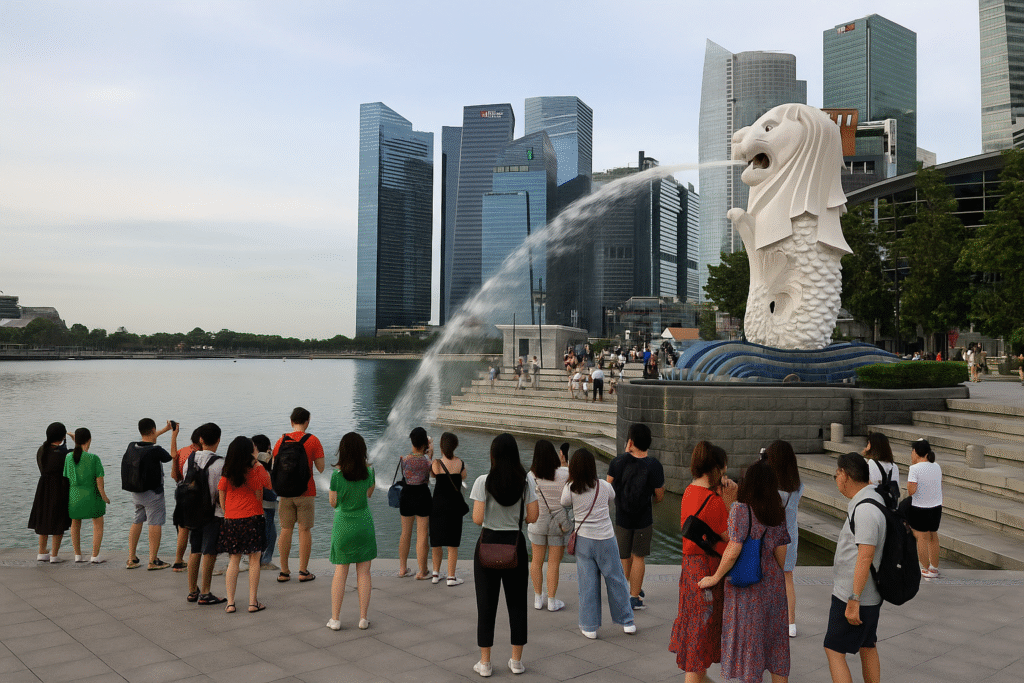
Singapore is experiencing a transformative wave in its tourism landscape as the visa-free travel policy for Chinese citizens fuels record-breaking visitor arrivals. The Lion City’s clean streets, futuristic skyline, and reputation for safety have made it a favorite among China’s new generation of travelers. Yet, while visitor numbers continue to soar, rising costs and evolving travel preferences are reshaping how these tourists experience the city.
Visa-Free Policy Sparks Unprecedented Visitor Growth
The introduction of visa-free entry for Chinese tourists in early 2024 has proven to be a game-changer. Over three million Chinese travelers visited Singapore in 2024, marking an impressive 126 percent increase from the previous year. They now account for nearly one-fifth of all international arrivals. By September 2025, the Singapore Tourism Board reported that 2.5 million Chinese tourists had already visited, positioning China once again as one of Singapore’s most important source markets.
This surge is not just a result of relaxed entry rules—it reflects the growing appeal of short-haul, independent travel and the rising influence of social media platforms such as Douyin and RedNote. These platforms have popularized “da ka” tourism, where travelers visit photogenic landmarks and share curated experiences online. Iconic attractions like Marina Bay Sands, Gardens by the Bay, and Jewel Changi Airport dominate these feeds, creating a powerful cycle of visual storytelling that fuels Singapore’s tourism growth.
Young Travelers Confront Rising Costs
Despite Singapore’s undeniable charm, many young visitors from China are finding the city-state more expensive than anticipated. Hotel prices, dining expenses, and local transportation costs are often cited as pain points. With the 9 percent goods and services tax (GST) and 10 percent service charge added to restaurant bills, even casual dining can feel pricey.
Three-star hotel rooms now average over 1,200 yuan per night, leading many visitors to plan shorter stays or opt for budget accommodations. Young travelers increasingly rely on hawker centers, public transport, and compact itineraries to keep expenses manageable. Some even adjust their meal habits—choosing one main meal per day—to balance their budgets while maximizing sightseeing opportunities.
Economic Factors Influence Travel Budgets
Currency fluctuations and macroeconomic differences between Singapore and China have amplified cost concerns. The Singapore dollar has appreciated by 6–7 percent against the Chinese yuan since early 2023. Combined with slower economic growth and deflationary pressures in China, Singapore’s prices now appear higher than before.
As a result, the average per capita spending by Chinese tourists dropped from S$2,270 in 2023 to S$1,490 in 2024, according to official data. However, a modest recovery to S$1,520 in 2025 suggests that travelers are becoming more selective—choosing experiences that offer authenticity and value rather than lavish consumption. This shift marks the emergence of a conscious traveler demographic, one that prioritizes culture, safety, and unique experiences over luxury splurges.
Safety and Cleanliness Remain Singapore’s Strongest Assets
While prices may test visitors’ budgets, Singapore’s safety, cleanliness, and organization continue to win hearts. Solo travelers and women, in particular, emphasize how secure they feel exploring the city’s neighborhoods at any hour. The efficient public transport system, spotless streets, and widespread use of English signage make navigating the city effortless.
These features distinguish Singapore from other destinations in Southeast Asia, offering peace of mind and convenience—qualities that resonate deeply with Chinese visitors seeking both comfort and reliability. In global rankings, Singapore consistently ranks among the safest and most livable cities, a reputation that continues to attract families, students, and solo adventurers alike.
Social Media: The New Travel Compass
Social media platforms have become a dominant influence in shaping travel choices among Chinese tourists. The “da ka” phenomenon has transformed tourism into a highly visual experience, where travelers seek out Instagram-worthy or Douyin-friendly locations to showcase online.
Businesses across Singapore have adapted by creating photo-centric experiences—from immersive cafés and art spaces to rooftop attractions designed for social sharing. Local attractions now curate aesthetic backdrops and interactive installations, ensuring every visit translates into shareable content.
Travel influencers play an outsized role in promoting itineraries that combine cultural authenticity with visual appeal. This digital influence not only drives tourism growth but also redefines how visitors interact with destinations, merging storytelling with exploration.
Beyond Sightseeing: Education and Urban Curiosity
Interestingly, not all visitors are drawn solely by leisure. A growing segment of travelers from China are exploring educational and cultural tourism. Guided tours focusing on urban planning, sustainability, and housing policies are attracting curious minds who want to understand how Singapore became a model of modern governance and innovation.
Many visitors participate in heritage walks, art tours, and green-city initiatives, gaining a deeper appreciation of Singapore’s balance between nature and technology. Educational institutions and cultural centers are responding with specialized programs that bridge travel with learning, further enriching Singapore’s tourism offerings.
Balancing Growth and Accessibility
For Singapore, the influx of Chinese visitors brings both opportunities and challenges. The city-state must strike a balance between maintaining its premium destination image and remaining accessible to younger, budget-conscious travelers.
Efforts are underway to enhance sustainable tourism practices, diversify attractions, and promote off-peak travel seasons to manage visitor flow. By offering a range of accommodations, from luxury hotels to boutique hostels, Singapore continues to cater to diverse audiences without compromising its reputation for excellence.
The Future of Singapore Tourism
As 2025 unfolds, Singapore’s tourism narrative is evolving. The visa-free policy has not only revitalized the industry but also redefined traveler behavior. Modern Chinese tourists are digitally connected, socially expressive, and value-driven, seeking destinations that are safe, inspiring, and easy to explore.
Singapore’s challenge lies in adapting to this transformation while maintaining its world-class standards. Its blend of security, sustainability, and sophistication continues to make it a beacon for travelers across Asia. Even amid rising expenses, the city’s magnetic appeal endures — proving that in the age of digital discovery, Singapore remains where East meets excellence.
In summary, the visa-free travel boom has cemented Singapore as a top destination for Chinese visitors, driven by social media trends and the allure of a safe, modern city. Though costs are rising, the experience of Singapore—its orderliness, innovation, and visual charm—continues to captivate millions, marking a new era in Asian tourism and cultural exchange.
For more travel news like this, keep reading Global Travel Wire