Sri Lanka’s tourism industry is entering a new era as travelers expand their journeys beyond the bustling streets of Colombo and into the country’s tranquil inland retreats and scenic coastal towns. A growing appetite for authentic, off-the-beaten-path travel experiences is driving a fundamental transformation in visitor behavior—and with it, a reshaping of the country’s tourism economy.
Once the central hub for tourism transactions, Colombo is now sharing the spotlight with destinations like Ella, Weligama, Mirissa, and Dickwella. These emerging hotspots offer a blend of nature, culture, and relaxation that today’s traveler craves, marking a notable shift from traditional urban sightseeing to experiential and eco-focused travel.
Colombo’s Role Evolves Amid Decentralization
While Colombo remains the country’s economic and administrative capital—and still accounts for roughly a quarter of all tourism-related transactions—it is no longer the sole epicenter of visitor activity. Data indicates that more travelers are using Colombo as a gateway, spending less time in the city itself and opting to journey into Sri Lanka’s heartlands or along its sun-drenched southern coast.
This transformation is not only altering where visitors spend their time, but also where their money flows. As more spending occurs in smaller towns and rural areas, local economies are beginning to see a meaningful boost—ushering in greater economic inclusivity across the island.
Ella and the Southern Belt on the Rise
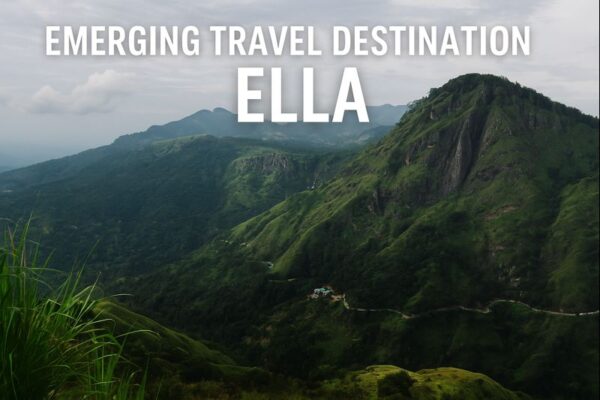
Among the inland destinations gaining significant traction, Ella stands out as a clear favorite. Nestled in Sri Lanka’s central highlands, this peaceful town offers breathtaking views, tea plantations, waterfalls, and the iconic Nine Arches Bridge. Tourists are drawn to its cooler climate, serene hiking trails, and wellness retreats, all of which offer a refreshing contrast to urban tourism.
On the coast, the southern belt has evolved into a prime travel region. Towns such as Weligama, Mirissa, Ahangama, and Dickwella are enjoying a renaissance, attracting surfers, digital nomads, backpackers, and families alike. These towns offer golden beaches, vibrant local communities, boutique resorts, and a slower pace that many travelers find rejuvenating.
The growth in these areas reflects broader global travel trends that prioritize wellness, sustainability, and immersion in local culture over fast-paced sightseeing.
International Markets Fuel the Shift
Key source markets—including India, the UK, and Russia—are playing an influential role in shaping Sri Lanka’s evolving tourism map. Tourists from these regions are increasingly opting for longer stays, often spending more time in quieter, less commercialized locations. This change in preference not only supports a more balanced distribution of tourism benefits but also aligns with Sri Lanka’s strategic aim to promote sustainable and inclusive tourism practices.
A Ripple Effect Across the Tourism Economy
The decentralization of tourism is also transforming Sri Lanka’s broader economic landscape. Smaller towns are seeing a rise in new accommodations—from eco-lodges and homestays to upscale boutique hotels—that reflect the growing demand for personalized and experience-driven travel. These developments are providing income opportunities for local entrepreneurs, artisans, and service providers, creating a more equitable tourism value chain.
Air connectivity is adapting in response. Regional airports are being utilized more frequently, and there is an increase in direct flights to destinations closer to tourist hotspots. This accessibility is making it easier for both domestic and international visitors to bypass congested routes and explore more remote regions with ease.
As travel becomes more decentralized, Sri Lanka is building a more resilient tourism infrastructure—one that can weather economic or political fluctuations by appealing to a broader, more diverse traveler demographic.
Sustainability and Experience at the Core
One of the defining characteristics of this new wave of tourism is a focus on meaningful experiences over luxury or convenience. Many visitors are actively seeking out homestays, cultural encounters, nature-based activities, and wellness retreats. From yoga classes in beachside villas to guided treks through the Knuckles Mountain Range, Sri Lanka is emerging as a destination where travel is both enriching and restorative.
Tourism providers are increasingly emphasizing sustainable practices—reducing environmental impact, supporting community-based tourism, and encouraging responsible behavior. This direction is aligned with government and private sector goals to protect the island’s natural and cultural heritage for future generations.
Resilience and Opportunity Ahead
While established tourism centers such as Kandy and Galle have experienced slight reductions in transaction volume, the overall industry outlook remains positive. Rather than signaling a decline, these shifts illustrate a maturing market where travelers are simply more evenly distributed across the country.
Looking ahead, tourism will continue to play a pivotal role in Sri Lanka’s economic trajectory. While projections suggest that GDP growth may moderate in 2026, the tourism sector remains a key driver of foreign investment, private consumption, and job creation. The diversification of travel destinations helps mitigate risk and promotes a more balanced and sustainable model of tourism-led development.
Conclusion
Sri Lanka is experiencing a powerful transformation in its tourism sector. As travelers increasingly venture beyond Colombo, destinations like Ella and the southern coastal towns are stepping into the spotlight. This shift reflects changing global preferences for authentic, nature-rich, and culturally immersive travel—and Sri Lanka is well-positioned to meet these expectations.
By expanding the geographic reach of tourism and investing in sustainable development, the country is not only enhancing visitor experiences but also strengthening its economic resilience. As the world continues to explore beyond the usual paths, Sri Lanka’s inland hills, coastal villages, and community-driven tourism initiatives are becoming the new face of travel on the island.
In this new era, Sri Lanka offers more than a vacation—it offers discovery, connection, and a sense of place that lingers long after the journey ends.
For more travel news like this, keep reading Global Travel Wire