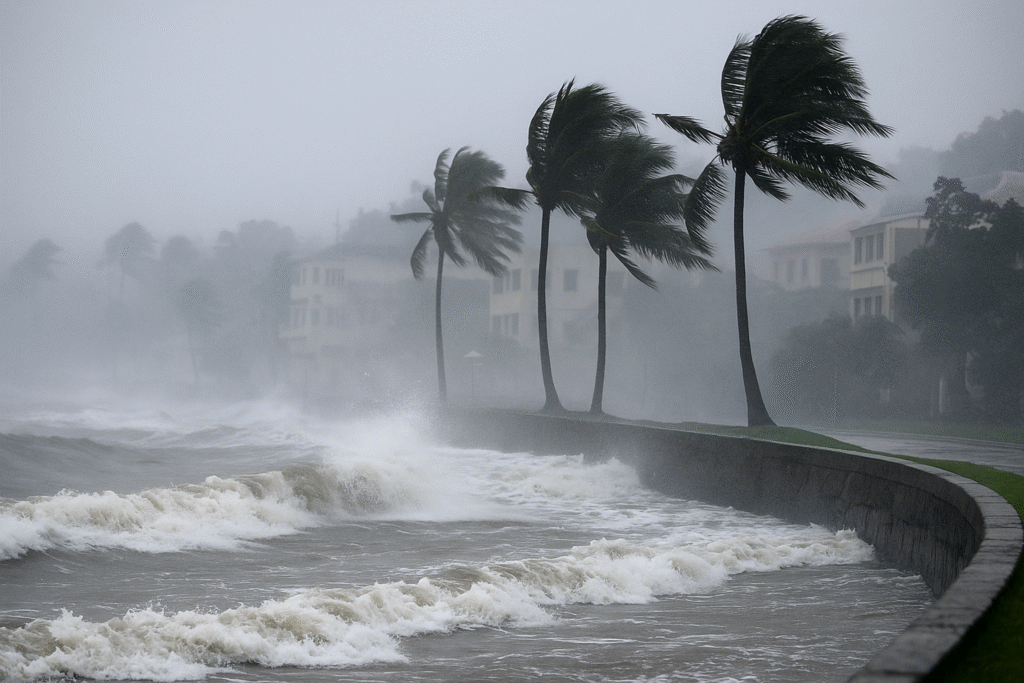
As super-typhoon Typhoon Fung‑wong barrels through the north-western Pacific toward tourism-heavy regions of the Philippines and Taiwan, both destinations are feeling the immediate effects on their safety, travel infrastructure and visitor outlook. The storm’s passage underscores the growing vulnerability of major Southeast Asian tourism markets to extreme weather events.
Philippines: Heavy Casualties and Tourism Disruptions
When Fung-wong made landfall in northeastern Luzon on 9 November, it struck with ferocious intensity: sustained winds reached approximately 185 km/h (115 mph), with gusts climbing to as much as 230 km/h (143 mph). The storm’s vast rain bands and wind field sparked flash floods, landslides and damage across dozens of municipalities.
Initial government response saw more than 1 million evacuees, with more detailed assessments putting displacement figures well into the 1.3 – 1.4 million range. Tragically, at least 18 people died, with the bulk of fatalities caused by landslides in mountainous regions long-known for instability when saturated.
For the tourism sector, popular northern Luzon provinces such as Aurora and Cagayan bore significant infrastructure damage: roads were blocked, power and communications disrupted, and hospitality facilities impacted. With the Philippines already in the peak of its disaster-season, travel advisories have been issued and many visitors remain in limbo as operators assess structural safety and service viability.
Taiwan: Pre-emptive Evacuations Amid Tourism Hotspots
Meanwhile, on the slopes of Taiwan’s eastern and southern coasts, authorities are preparing for the storm’s arrival by ordering mass evacuations, closing schools and offices and suspending domestic travel services. Over 8,000 residents in counties such as Yilan and Hualien have been relocated from flood- and landslide-prone areas; hundreds of domestic flights were cancelled and major port activities paused.
Although Fung-wong was downgraded to a tropical storm by the time it neared Taiwan, the impacts remain serious: one coastal town recorded over 600 mm of rainfall in a single day, roads and homes were flooded and ongoing landslide risks prompted full closure of sensitive zones. From a tourism-industry perspective, key areas such as Taitung, Kaohsiung and the Hengchun Peninsula are bracing for effects, with hotel bookings cancelled or delayed, visitor access restricted and insurance for tourism operators under pressure.
Regional Tourism Implications
For travellers, the timing and scale of this storm bring multiple concerns:
- Safety & accessibility: With extreme rainfall, flash floods and landslides in play, even popular resort areas may face evacuation orders or restricted access at short notice.
- Logistics & cancellations: Flights, ferries and train services in both destination countries are already disrupted, meaning tours, cruises and package itineraries risk cancellation or deviation.
- Recovery and reputation: The Philippines and Taiwan both depend heavily on tourism income. High-profile weather disasters can trigger negative perceptions among international visitors, reducing near-term bookings and forcing operators to offer discounts or flexible policies.
What Tourists Should Know
If you’re planning travel to either country in the coming weeks:
- Monitor official weather bulletins and local advisories. Both regions maintain robust early-warning systems.
- Confirm bookings afternoon-to-afternoon rather than basing plans solely on internet status pages.
- Consider travel insurance that covers evacuation or weather-related disruptions.
- Be flexible: coastal and mountainous destinations are more exposed; urban centres may offer safer alternatives if conditions deteriorate.
Moving Forward: Resilience in Focus
Both the Philippines and Taiwan have invested in early-warning systems, large-scale public-education campaigns and evacuation infrastructure — and these efforts are credited with reducing what could have been far higher death tolls. Nonetheless, the scale of storms such as Fung-wong, arriving later in the season and tracking unusual paths, raise questions about the impact of climate change on tourism-dependent regions.
For the tourism sector, resilience means not just rebuilding hotels and resorts, but also strengthening supply-chains, diversifying marketing away from only high-risk zones and working with governments on rapid-response safety protocols.
In summary, Typhoon Fung-wong has already exacted a heavy toll on the Philippines and now threatens Taiwan at a critical moment for tourism. While the immediate priority remains safety and evacuation, the ripple-effects for travel, infrastructure and worker livelihoods will be felt for weeks. For visitors and operators alike, preparedness, flexibility and awareness will be key in navigating what remains a highly dynamic situation.
For more travel news like this, keep reading Global Travel Wire