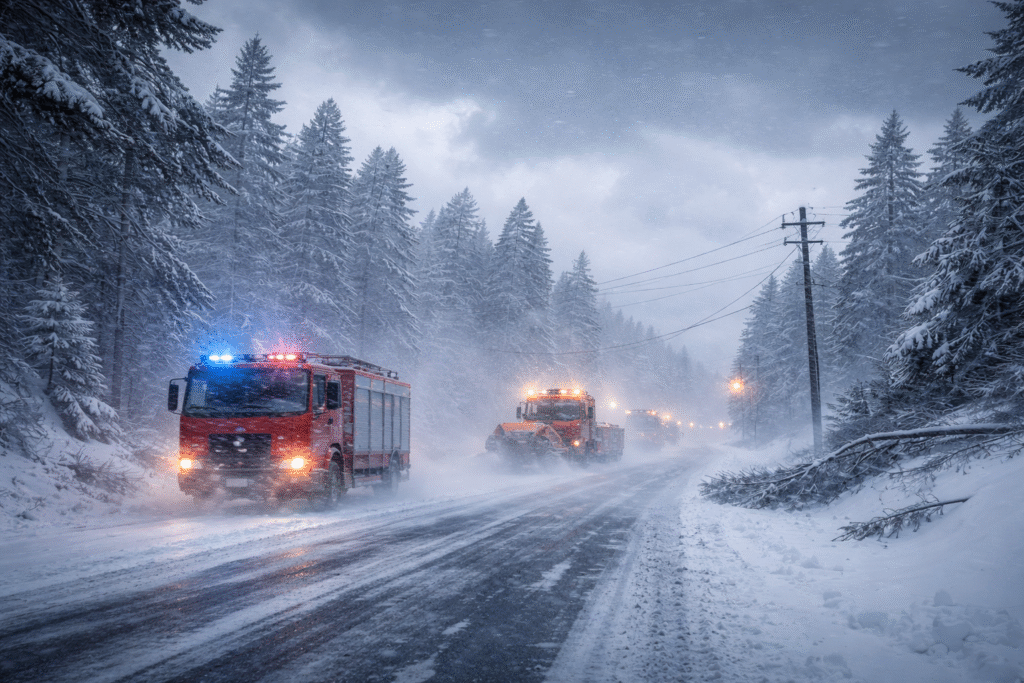
Winter Storm Johannes has swept across Sweden and Finland with powerful winds, heavy snow, and severe cold. The system, known as Hannes in Finland, forced widespread transport shutdowns and created major safety concerns in both countries. Meteorological agencies warned that the storm would strike hard, and the impact has been immediate and far-reaching. Travellers, locals, and tourism operators now face days of disruption as the region works to restore normal life.
Severe Weather Warnings Trigger National Alerts
Sweden’s official meteorological authority issued broad weather warnings as the storm strengthened over the northern half of the country. Forecasters highlighted risks linked to strong winds, drifting snow, and severe wind chills. These alerts urged residents to limit travel and follow safety guidance as conditions deteriorated by the hour.
Finland’s meteorological service also raised its alert levels. Strong coastal winds and reduced visibility threatened key tourism hubs, especially in Lapland. Snow squalls made road travel unpredictable, while icy conditions spread across inland routes.
Storm-Related Deaths Deepen Concerns
Authorities in Sweden confirmed two fatalities connected to storm conditions. Both incidents involved fallen trees during peak wind gusts. Emergency teams warned of unstable forest areas and asked visitors to avoid wooded trails, nature parks, and rural roadways until conditions stabilised. The tragic loss of life underscored the storm’s intensity and pushed government agencies to reinforce public safety messages.
Power Outages Spread Across Both Countries
Tens of thousands of homes lost power in Sweden as strong winds damaged power lines and toppled trees. Several regions faced extended outages, leaving communities without heat or electricity during freezing winter nights. Utility crews worked through the storm to restore service, but repairs remained slow due to dangerous working conditions.
In Finland, energy authorities also reported widespread outages. Many affected areas, including tourist lodges and remote winter resorts, experienced temporary closures. Operators encouraged guests to monitor local updates and prepare for delayed services as repair crews continued their work.
Air Travel Hit Hard as Airports Pause Operations
The aviation sector felt the storm’s force as airports across northern Finland and Sweden introduced major restrictions. Lapland’s popular winter airports, often busy with seasonal travellers, suspended flights during the most severe phases of the storm. Blowing snow and powerful crosswinds made take-offs and landings unsafe.
Some airports resumed operations once winds eased, but delays continued throughout the day. Travellers reported long waits and shifting schedules. Airlines advised passengers to check updated flight information before heading to terminals.
Rail and Road Transport Face Widespread Closures
Rail operators in Sweden temporarily suspended multiple routes due to fallen trees, ice-covered tracks, and reduced visibility. Trains in forested regions faced the highest risk, prompting regional operators to cancel services as a precaution. Road authorities also closed sections of major highways and urged drivers to avoid non-essential travel.
In Finland, drifting snow and powerful gusts made several routes impassable. Tourism-heavy regions, including Lapland’s national parks and ski resorts, warned visitors of slower access and possible detours. Authorities prioritised emergency routes as crews cleared snow and removed debris.
Ferry Lines and Bridges Restricted for Safety
Storm conditions created dangerous swells across northern waters. Ferry operators along key Nordic routes restricted or cancelled services due to safety concerns. Several bridges in high-risk wind zones also introduced restrictions for larger vehicles. This added further delays for holiday travellers and commercial transport.
Coastal communities prepared for intermittent closures as the storm moved east. Authorities highlighted the risk of sudden wind shifts and urged caution for anyone travelling near the shoreline.
Emergency Services Work Through the Night
Fire brigades, rescue teams, and technical units responded to hundreds of incidents across Sweden and Finland. These included blocked roads, damaged roofs, fallen power lines, and stranded travellers. Emergency services stressed the need for caution even as conditions began to improve. The risk of avalanches, collapsing snow loads, and slipping hazards remained high.
Local municipalities activated crisis teams to support vulnerable residents and coordinate shelter options in areas without heating.
Tourism Sector Assesses Impact as Recovery Begins
Tourism operators across the Nordic region now face the challenge of restoring operations. Winter attractions in Lapland, ski resorts, trekking zones, and nature lodges reported varying degrees of disruption. Some reopened with limited capacity, while others awaited stable power and safe access routes.
Hotels and tour companies communicated updates through regional information channels, assuring guests that recovery efforts were underway. Many encouraged travellers to remain flexible as weather patterns continued to shift.
Outlook: Gradual Improvement but Continued Caution
Meteorological agencies expect the storm to weaken gradually. However, strong winds and icy conditions will persist in parts of both countries. Authorities continue to advise caution, especially for travellers navigating rural and high-altitude areas. The coming days will focus on repairs, transport restoration, and safety assessments across affected regions.
Winter Storm Johannes has reminded locals and visitors of the Nordic region’s powerful natural forces. As communities recover, travellers are encouraged to stay informed, follow official guidance, and plan with flexibility until normal conditions return.’
For more travel news like this, keep reading Global Travel Wire