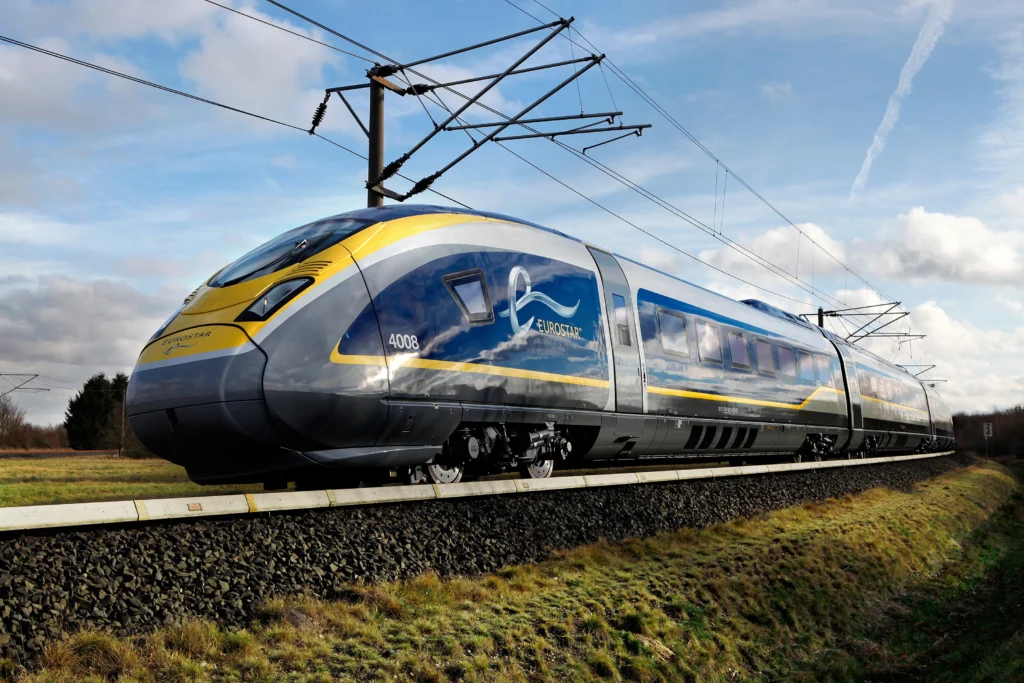
Europe is on the brink of a major transformation in how people move across the continent. In 2026, a series of new and revitalised rail routes will connect Paris, Berlin, Prague, Copenhagen, Munich, and beyond, marking a decisive shift away from short-haul flights and toward modern, sustainable train travel. With governments and rail operators prioritising climate goals, passenger comfort, and seamless cross-border connectivity, rail travel is fast becoming the preferred option for city-to-city journeys.
This new chapter in European transport reflects a broader change in traveller behaviour. Increasingly, passengers are choosing trains for their lower environmental impact, city-centre convenience, and the ability to travel comfortably without the stress of airports. The routes launching in 2026 are designed not only to improve mobility but also to make rail travel an experience in its own right.
Rising Demand Fuels Europe’s Rail Expansion
Across Europe, interest in rail travel has surged as travellers seek alternatives to flying. Environmental awareness, rising airport congestion, and improved rail services have all contributed to this shift. Short-distance flights, once seen as the fastest option, are increasingly losing their appeal when compared with high-speed and overnight trains that offer comfort, reliability, and lower emissions.
In response, transport authorities and rail operators have committed to expanding rail infrastructure and modernising services. The result is a new generation of routes that prioritise speed, comfort, and sustainability while strengthening economic and cultural ties between Europe’s major cities.
Paris–Berlin Sleeper Train Makes a Comeback
One of the most symbolic developments of 2026 is the return of the overnight sleeper train between Paris and Berlin. After a brief absence, this iconic route is being revived to meet growing demand for night trains. Operating several times a week, the service allows passengers to board in the evening and arrive refreshed the next morning, saving both time and accommodation costs.
The Paris–Berlin sleeper represents a renewed appreciation for overnight rail travel. It combines practicality with romance, offering a relaxed alternative to flying while significantly reducing the carbon footprint of long-distance journeys. For both leisure and business travellers, the service restores a vital link between two of Europe’s most influential capitals.
Faster High-Speed Travel Between Paris and Munich
High-speed rail will also take a major step forward in 2026 with an upgraded connection between Paris and Munich. Plans include more frequent departures and reduced journey times, making rail an even stronger competitor to air travel on this busy route.
The enhanced Paris–Munich service is expected to benefit business travellers who value efficiency, as well as tourists exploring France and southern Germany. By improving speed and reliability, the route strengthens cross-border cooperation and reinforces rail as the backbone of European mobility.
Prague to Copenhagen: A New Daytime Rail Experience
Another highlight of 2026 is the launch of a direct daytime train linking Prague and Copenhagen, with key stops along the way. This new service opens up a scenic and comfortable way to travel between Central Europe and Scandinavia, offering an alternative to flying that does not compromise on convenience.
Modern trains on this route will feature onboard dining, Wi-Fi, bicycle storage, and generous seating. Family-friendly features are also part of the design, making the journey appealing to travellers of all ages. With year-round operation planned, the Prague–Copenhagen route is set to become a vital north-south corridor.
Night Trains Return for Long-Distance Journeys
The revival of night trains continues with a new overnight service connecting Switzerland with Denmark and southern Sweden. Covering more than a thousand kilometres, this route allows passengers to travel across multiple countries while sleeping, reducing the need for flights and hotel stays.
Night trains are increasingly popular among environmentally conscious travellers who want to maximise time at their destination. By offering sleeper, couchette, and seated options, these services cater to a wide range of budgets and travel styles.
Strengthening Regional and Domestic Rail Travel
The rail expansion of 2026 is not limited to international routes. Regional and domestic services are also receiving renewed attention as governments aim to reduce reliance on short domestic flights. New routes are being introduced to connect major cities with historic regional destinations, making rail travel more accessible and affordable.
These regional services support local tourism, encourage sustainable travel habits, and provide communities with better transport links. By improving connectivity within countries, rail networks help spread tourism benefits beyond major capitals.
Rail Travel as the Future of Sustainable Tourism
The changes coming in 2026 reflect a broader vision for Europe’s travel future. Rail travel produces significantly fewer emissions than aviation and aligns closely with climate targets set by national and regional authorities. Many European trains already operate on low-carbon or renewable energy, further strengthening their environmental credentials.
For travellers, the appeal goes beyond sustainability. Trains offer spacious seating, scenic views, city-centre arrivals, and the ability to work or relax en route. These advantages are reshaping expectations and redefining what efficient travel looks like.
A New Era for European Travel
As Paris, Berlin, Prague, Copenhagen, and Munich become even more closely connected by rail, Europe is entering a new era of travel. The expansion planned for 2026 signals a decisive move toward greener, smarter, and more enjoyable journeys. With sleeper trains, high-speed services, and modern daytime routes, rail travel is no longer just an alternative to flying—it is fast becoming the preferred choice.
For both leisure and business travellers, the transformation of Europe’s rail network promises a future where exploring the continent is simpler, cleaner, and more connected than ever before.
For more travel news like this, keep reading Global Travel Wire