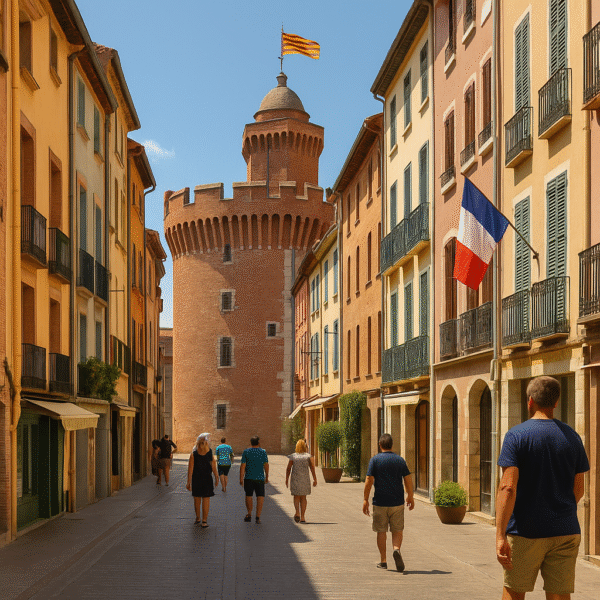
The picturesque city of Perpignan, located near the Spanish border in southern France, has found itself in the spotlight after reports of an Airbnb guest allegedly refusing to leave a rental property — even changing the locks and registering utilities in their own name. While the case has alarmed many property owners, it also underscores a larger debate about the safety and sustainability of France’s short-term rental market, which continues to grow despite isolated incidents.
Perpignan, known for its Catalan heritage, sun-drenched Mediterranean climate, and historic charm, has become one of the rising stars in France’s tourism sector. The city attracts both domestic and international travelers who seek affordable and immersive cultural experiences. However, the rise of online booking platforms such as Airbnb and Booking.com has introduced new challenges for hosts and local authorities trying to balance tourism growth with community stability.
Impact on Hosts and the Tourism Sector
While incidents of squatters have made sensational headlines, experts emphasize that such cases are rare exceptions rather than the norm. The French government has long recognized the need for balance between tourism expansion and housing protection, introducing a series of laws designed to regulate short-term rentals.
For hosts, the financial benefits of short-term rentals remain compelling. With the tourism rebound following the pandemic, occupancy rates have surged across the country — especially in regions like Occitanie, which includes Perpignan. Yet, a few high-profile disputes between hosts and long-term overstayers have fueled caution among property owners.
Some landlords have responded by tightening booking durations, vetting guests more thoroughly, and relying on digital verification systems to prevent misuse. Despite these precautions, the overall health of the tourism sector remains robust, with short-term rentals continuing to provide a vital source of income for thousands of French homeowners and a flexible lodging option for visitors.
France’s Legal Framework for Short-Term Rentals
France was among the first European nations to formalize rules around short-term rentals, aiming to protect both hosts and tenants. In major cities such as Paris, Nice, and Lyon, property owners must register their rental properties with local authorities and are limited to renting out their primary residences for no more than 120 days per year.
This system ensures that the booming rental market does not excessively strain the local housing supply, while maintaining a high standard of accommodation for tourists. Furthermore, French law provides clear legal recourse for property owners facing non-compliant guests. Local police and judicial authorities are empowered to intervene when renters violate agreements or overstay their reservations.
In Perpignan, local authorities have been proactive in educating property owners about their rights and the procedures available for handling disputes. Municipal tourism offices and host associations collaborate to streamline complaint reporting and reinforce the message that isolated squatting cases do not represent a systemic threat to the market.
Perpignan: A Tourism Gem Amid Growing Attention
Despite recent controversies, Perpignan continues to attract travelers for its authentic charm, proximity to the Pyrenees mountains, and easy access to both Mediterranean beaches and the Spanish region of Catalonia. Tourists are drawn to its colorful old town, Gothic architecture, and the iconic Palace of the Kings of Majorca, a symbol of its medieval heritage.
The city’s tourism board emphasizes that incidents of squatting are statistically insignificant compared to the tens of thousands of successful short-term stays recorded each year. Most visitors still rate their experiences highly, praising Perpignan’s walkable city center, vibrant food markets, and art scene inspired by Catalan traditions.
Vacation rentals, particularly those offering scenic views or local architecture, remain in high demand — especially among families and long-stay travelers seeking a more personal, home-like experience than hotels can provide.
The Popularity of Short-Term Rentals Across France
Across France, short-term rentals have become an integral part of modern travel, offering both affordability and flexibility. In destinations like Perpignan, travelers often prefer staying in apartments or villas to immerse themselves in daily French life — shopping at local bakeries, cooking regional cuisine, and living “comme un local.”
Tourists are also increasingly seeking sustainable and community-focused experiences, and hosts have adapted by promoting eco-friendly accommodations and responsible tourism practices. In the countryside around Perpignan, charming villas overlooking vineyards and olive groves offer travelers a peaceful retreat while supporting local businesses.
Meanwhile, the urban centers continue to thrive with modern apartment listings that cater to digital nomads, couples, and families. This diversity in options is one reason why short-term rentals remain so popular across France’s tourism landscape.
The French Government’s Response
Recognizing the economic significance of short-term rentals, the French government continues to refine its policies to ensure a fair and transparent market. Initiatives include requiring hosts to register properties with municipal databases, introducing digital tracking systems to prevent excessive listings, and enforcing taxation on rental income to maintain market integrity.
Additionally, the government works closely with rental platforms to monitor compliance and ensure guest identity verification. This collaboration helps prevent potential misuse while protecting the interests of legitimate travelers and property owners alike.
In cities like Perpignan, authorities have also launched public awareness campaigns to inform both hosts and guests about their rights and responsibilities under French housing law. These measures have helped restore confidence in the system, ensuring that the tourism economy continues to grow responsibly.
Tourism Outlook: Stability Amid Sensationalism
Despite the occasional “squatter scare,” France’s short-term rental market remains resilient and thriving. Perpignan, along with other major tourist cities, continues to welcome visitors in growing numbers, benefiting from the country’s reputation for safety, hospitality, and rich cultural experiences.
With continued investment in regulation and oversight, the short-term rental ecosystem is becoming more professional and secure. Hosts are better protected, guests enjoy more transparency, and the overall experience remains one of the highlights of French tourism.
Conclusion
While squatter incidents in Perpignan have sparked debate, they represent isolated occurrences in an otherwise flourishing tourism market. France’s balanced approach — promoting tourism growth while ensuring property rights and guest safety — remains a model for other countries facing similar challenges.
For travelers, short-term rentals continue to offer the perfect way to explore the authentic beauty of France. And for Perpignan, a city steeped in Catalan culture and Mediterranean charm, the future remains bright as it continues to evolve as one of the country’s most welcoming destinations.
For more travel news like this, keep reading Global Travel Wire