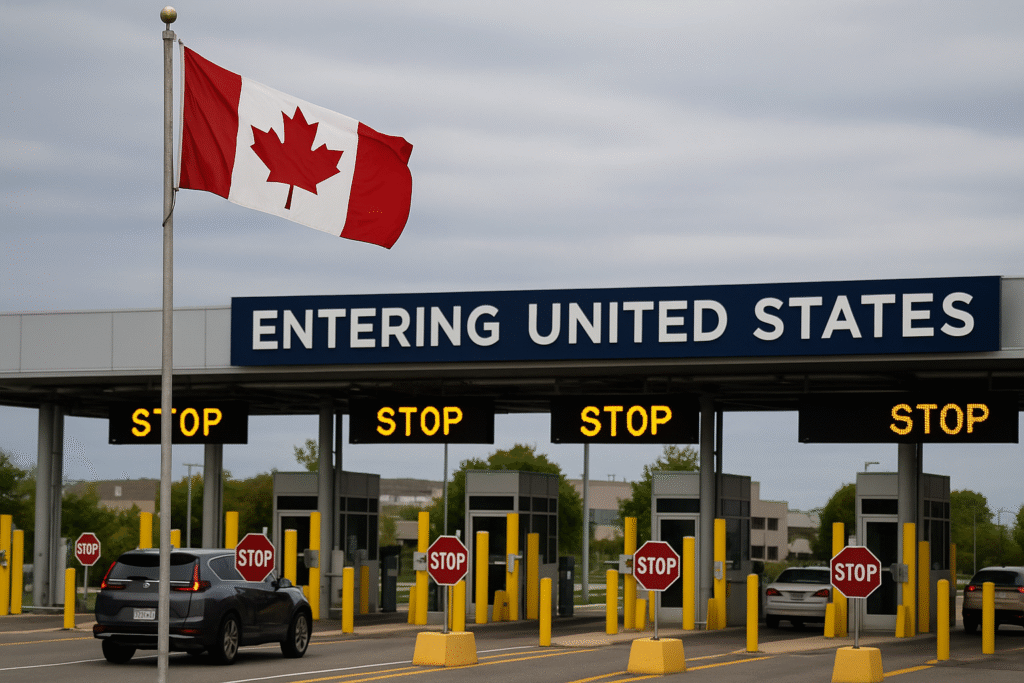
In 2025, a sharp downturn in Canadian visits is sending shockwaves through the U.S. tourism sector. A 24 percent drop in Canadian travelers during the first half of the year is now linked to an expected $29 billion shortfall in tourism revenue. The collapse stems from growing political friction, trade disputes, and tougher immigration policies.
Canadian Travel Plummets, U.S. Industry Reels
Canada has long ranked as one of the top sources of international tourists to the United States. Recently removed from its traditional role, Canadian travel to the U.S. declined by 24 percent compared to the same period in 2024. Air arrivals fell about 25 percent, while car crossings slumped nearly 35 percent. Border towns and states have felt the heat, as businesses that relied heavily on Canadian spending saw sharp revenue losses.
What’s Driving the Boycott?
Trade Tensions & Political Messaging
Escalating tariffs and provocative rhetoric have strained U.S.–Canada relations. Some Canadians view U.S. trade policy as hostile, and a vocal segment has responded by avoiding travel south of the border.
Weakened Canadian Dollar & Economic Strain
The sliding value of the Canadian dollar has made travel to the U.S. more expensive. With inflation and higher domestic costs squeezing budgets, many Canadians now favor closer, more affordable destinations.
Stricter Immigration & Travel Rules
Tighter visa rules, extended border inspections, and concerns over negative reception of foreign visitors have created uncertainty. Potential travelers now view the U.S. as less welcoming, dampening interest.
Symbolic and Sentiment Factors
Surveys suggest a surge in Canadian sentiment against U.S. dependence. Nearly 7 in 10 Canadians say they will avoid buying U.S. goods or making U.S. travel plans. This undercurrent of protest has morphed into real reductions in bookings and cancellations.
Broader International Tourism Trends
The Canadian boycott is not an isolated disruption. Overall inbound tourism to the U.S. is forecast to fall—by as much as 6–7 percent—putting pressure on an industry still recovering from earlier global shocks. International visitor spending is projected to slip from $181 billion in 2024 to under $169 billion in 2025. The U.S. may become the only major country to see absolute declines in foreign travel spending this year.
European and Asian visitor numbers are also sliding, driven by visa challenges, high costs, and negative perceptions of U.S. border policies. Several countries have warned travelers about detentions or invasive inspections at U.S. entry points.
Local Fallout, National Risks
Communities near the border report booking cancellations and steep revenue reductions. In northern U.S. states like Maine, Vermont, and Minnesota, hospitality, retail, and service sectors are contracting. Some credit card data indicate over 50 percent year-on-year drops in Canadian spending in key tourism zones.
Nationally, the decline may threaten jobs and tax revenue. Agencies warn that even a 10 percent drop in Canadian tourism could cost over $2 billion in spending and affect thousands of hospitality jobs.
Possible Recovery Pathways
Policy Reform on Immigration and Visas
Easing visa rules and streamlining border entry may repair traveler confidence. Clear, predictable entry processes could restore gesture of openness.
Resetting Diplomacy and Trade Dialogue
A shift toward constructive diplomatic tone could help re-establish trust between citizens and governments. Rebuilding bilateral goodwill would encourage Canadians to reset travel choices.
Leveraging Major Events
Large-scale events like the 2026 FIFA World Cup (co-hosted by U.S., Canada, Mexico) and the U.S. 250th anniversary are potential drawcards. With strong marketing and partnerships, they may reignite international interest.
Aggressive Marketing & Targeted Deals
Tourism agencies may need to offer incentives, regional packages, and border-state promotions aimed at luring Canadian visitors back. Strategic campaigns could shift perceptions and incentivize travel.
Outlook: A Steep Climb Ahead
The effects of the Canadian boycott are powerful and immediate. With 24 percent fewer visitors and $29 billion in projected revenue loss, the U.S. faces a shortfall of historic scale. Recovery depends not just on better marketing, but on restoring trust—through policy reform, diplomacy, and visible welcome.
Unless the U.S. reinvents how it approaches travel, trade, and international sentiment, reclaiming its status as a leading tourist destination may prove a long, difficult slog.
For more travel news like this, keep reading Global Travel Wire