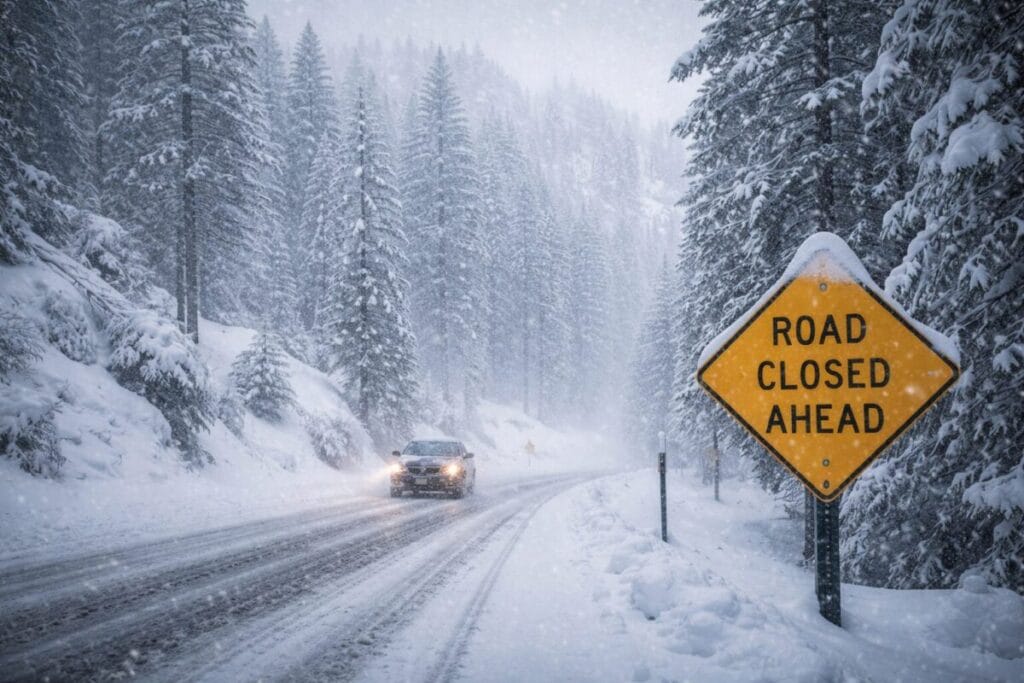
A powerful winter storm is moving toward California’s Sierra Nevada region, raising safety concerns for residents and travelers. Authorities have issued winter storm warnings across several counties as heavy snowfall and strong winds approach. Popular tourist destinations, including Yosemite National Park and nearby high-altitude attractions, could face major disruptions.
Weather experts predict intense snowfall, with accumulations reaching up to two feet in some areas. Winds may gust up to 50 miles per hour, creating dangerous travel conditions. The storm is expected to begin Monday night and continue through midweek, bringing rapidly changing weather to mountain regions.
Tourism officials urge visitors to monitor conditions closely. Winter storms often affect accessibility to national parks and scenic routes across the Sierra Nevada.
Heavy Snow Expected at Higher Elevations
The most severe conditions will occur above 7,000 feet. Forecast models suggest snowfall totals ranging between 12 and 24 inches across high elevations. Mountain passes, scenic drives, and backcountry routes may become hazardous or inaccessible.
Areas outside Yosemite Valley, such as Tuolumne Meadows and other alpine regions, could receive heavier snow totals. Strong winds combined with fresh snowfall may create whiteout conditions. Visibility may drop sharply, making navigation difficult even for experienced drivers.
Winter storms in the Sierra Nevada often impact both recreation and transportation. Snow removal teams work continuously, but heavy accumulation can slow clearing efforts.
Yosemite and Nearby Parks Face Travel Challenges
Several popular national parks may experience significant disruptions. Yosemite National Park, along with Kings Canyon, Sequoia, and Lassen Volcanic National Park, lies within areas expected to receive severe winter weather.
Although Yosemite Valley typically sits at a lower elevation, higher sections of the park will likely see intense snowfall. Access to trails, viewpoints, and high-country attractions could become restricted. Temporary road closures and chain requirements remain possible throughout the storm period.
Mono County and surrounding regions, known for winter sports and scenic landscapes, may also face dangerous driving conditions. Snow-covered roads, icy surfaces, and blowing snow may increase accident risks. Visitors planning ski trips or winter sightseeing should expect delays and limited access.
Dangerous Conditions Raise Safety Concerns
Officials warn that this storm could create life-threatening situations for travelers who underestimate winter weather risks. Strong winds may produce ground blizzards and sudden whiteout conditions. These conditions can trap vehicles or leave hikers disoriented.
Emergency services often respond to incidents during major storms, especially when tourists attempt travel despite warnings. Authorities encourage visitors to avoid unnecessary trips into mountain areas until conditions improve.
Cold temperatures combined with wind chill may increase the risk of frostbite or hypothermia. Exposure without proper clothing can become dangerous within a short period.
Avalanche Risk and Backcountry Access
Heavy snowfall and strong winds may also increase avalanche danger in high-altitude terrain. Backcountry travelers should remain cautious and consider postponing trips.
Access to remote wilderness areas in Yosemite and surrounding parks may become limited. Rangers may restrict certain zones for safety reasons. Visitors interested in snowshoeing or backcountry exploration should check local updates before starting any journey.
Winter recreation remains popular in the Sierra Nevada, but storms like this highlight the importance of preparation and awareness.
Preparation Tips for Tourists and Residents
Travelers planning to visit the region should prepare for possible service interruptions and delays. Snowstorms often cause power outages due to falling branches and heavy snow load.
Experts recommend assembling a winter emergency kit that includes:
- Warm blankets and extra clothing
- Non-perishable food and water
- Flashlights and batteries
- Snow chains for vehicles
- Extra fuel and charging equipment
Drivers should check road conditions frequently. Mountain routes may require tire chains, and closures can occur without much warning.
Rapidly Changing Weather Expected
Weather conditions may worsen quickly as the storm intensifies. Snowfall could begin lightly before becoming heavier overnight. Wind speeds may increase rapidly, creating blizzard-like conditions in exposed areas.
Sudden temperature drops may lead to icy roads and dangerous driving conditions. Travelers unfamiliar with mountain weather should avoid nighttime driving during peak snowfall periods.
Local authorities emphasize the importance of staying informed. Weather updates, road alerts, and park advisories will change frequently as the storm progresses.
Tourism Impact and What Visitors Should Expect
Winter storms often transform the Sierra Nevada into a scenic snowy landscape, attracting photographers and winter enthusiasts. However, safety remains the top priority during severe weather events.
Visitors should expect:
- Temporary park closures or restricted access
- Limited visibility at viewpoints
- Delayed or cancelled tours
- Reduced transportation services
Despite disruptions, winter tourism continues to thrive when conditions stabilize. Fresh snowfall often improves skiing and snow recreation once roads reopen and safety checks conclude.
Final Outlook
The approaching storm highlights the unpredictable nature of winter travel in California’s mountain regions. Heavy snowfall, strong winds, and hazardous road conditions may affect tourism across Yosemite and nearby national parks.
Officials encourage travelers to prioritize safety and flexibility in their plans. Proper preparation and awareness can help visitors enjoy the beauty of the Sierra Nevada while minimizing risks during severe winter weather.
For more travel news like this, keep reading Global Travel Wire