








The global cruise industry now faces new pressure from rising oil prices. Tensions in the Middle East involving Iran triggered a sharp increase in global fuel markets. Oil prices have climbed nearly thirty-five percent since the conflict escalated in late February.
Fuel remains one of the largest operating costs for cruise companies. Ships require large volumes of energy to power propulsion systems and onboard services. As fuel prices rise, cruise operators must absorb higher operational expenses.
Industry analysts warn that sustained energy price increases could affect profitability across several major cruise companies. Cruise lines now monitor energy markets closely as the next sailing season approaches.
Tourism experts also watch the situation carefully. Higher fuel costs may eventually influence cruise pricing across global travel markets.
Fuel Remains a Critical Expense for Cruise Operations
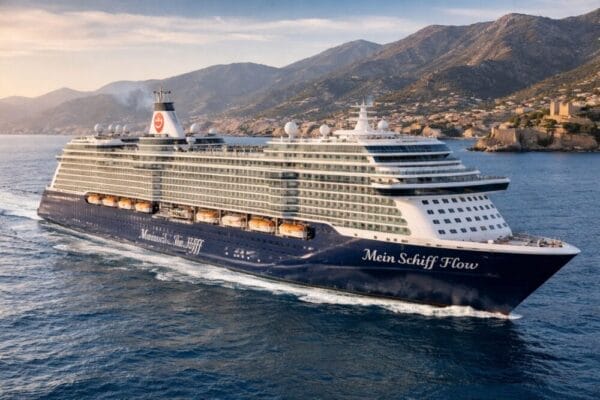
Cruise ships operate as floating resorts that require constant energy. Engines power propulsion systems while electricity supports restaurants, entertainment venues, and guest cabins. Large vessels travel thousands of miles across oceans each year.
Fuel price changes therefore affect cruise operations quickly. Even modest increases can add millions of dollars to annual operating costs.
Many cruise companies attempt to control this risk through fuel hedging strategies. Hedging allows companies to lock fuel prices in advance through financial contracts. These contracts protect companies from sudden market spikes.
However, not every cruise line relies on the same hedging approach. Some companies limit hedging if market forecasts appear uncertain. This difference means the impact of rising oil prices varies across the industry.
Companies that hedge heavily may avoid immediate financial pressure. Others may experience stronger short-term cost increases.
Carnival Cruise Line Faces Strong Exposure to Fuel Costs
Industry analysts believe Carnival Cruise Line could feel strong pressure from rising oil prices. The company historically used limited fuel hedging compared with some competitors. Carnival instead focused heavily on improving fuel efficiency across its fleet.
Over the past decade, the company reduced fuel consumption significantly. Internal efficiency programs helped the company cut fuel use by about eighteen percent since 2011. During the same period, Carnival increased passenger capacity by roughly thirty-eight percent.
Engineers achieved these improvements through several operational strategies. Shipbuilders introduced more energy-efficient vessel designs. Navigation teams also optimized sailing routes to reduce unnecessary fuel use.
Captains often operate ships at slightly slower speeds when schedules allow adjustments. This practice reduces fuel consumption during long ocean voyages.
The company also upgraded propulsion systems and engine technology. These improvements increased efficiency while maintaining operational reliability.
Despite these efforts, rising oil prices may still affect short-term financial performance.
Large Cruise Fleets Increase Exposure to Fuel Volatility
Fleet size plays a major role in fuel cost exposure. Carnival operates one of the largest cruise fleets in the world. More ships mean higher total fuel consumption across global operations.
Large fleets therefore face stronger exposure to energy price volatility. Small changes in fuel prices multiply quickly across dozens of vessels.
Cruise companies must maintain strict sailing schedules for thousands of passengers. Ships cannot easily reduce routes or shorten voyages without affecting travel plans.
Each vessel also powers extensive onboard facilities. These include restaurants, swimming pools, theaters, and climate control systems. All of these features require significant energy.
As a result, fuel expenses remain a constant operational challenge for cruise companies worldwide.
Financial Impact Could Reach Hundreds of Millions
Financial analysts often measure the cruise industry’s sensitivity to fuel prices. Even a ten percent increase in fuel costs can affect annual earnings significantly.
Estimates suggest that a ten percent fuel price increase could reduce Carnival’s yearly net income by roughly one hundred forty-five million dollars. Other cruise operators could also experience financial pressure.
Royal Caribbean may face a potential earnings impact near fifty-seven million dollars. Norwegian Cruise Line could see financial effects approaching ninety million dollars.
These estimates highlight the importance of energy markets for cruise operators. Fuel costs influence operational planning, investment strategies, and ticket pricing decisions.
Investors now watch energy markets closely as geopolitical tensions continue.
Lessons From the 2022 Global Energy Spike
The cruise industry encountered similar challenges during the 2022 energy crisis. Global oil prices surged after geopolitical tensions disrupted supply chains. Transportation and tourism sectors quickly felt the financial impact.
During that period, cruise companies experienced rapid increases in fuel expenses. Carnival faced particularly high costs due to its large fleet and fuel consumption levels.
Industry leaders learned valuable lessons from that experience. Many companies expanded fuel efficiency programs and invested in cleaner technologies.
These investments now help companies manage rising fuel costs more effectively.
Fuel Efficiency Improvements Strengthen Industry Resilience
Cruise companies have made significant progress in controlling fuel costs. Efficiency improvements have lowered the share of fuel expenses within total revenue.
For example, fuel accounted for about seventeen percent of Carnival’s revenue during the 2022 energy spike. Efficiency programs gradually reduced that percentage over time.
By 2025, fuel costs represented roughly seven percent of company revenue. This improvement reflects stronger operational planning and better technology.
While rising oil prices may increase costs again, cruise companies now operate from a stronger financial position.
These improvements demonstrate how innovation can support both sustainability and cost control.
Cruise Industry Invests in Cleaner Technologies
Cruise operators continue investing in technologies that reduce fuel consumption. These initiatives support both financial and environmental goals.
Modern cruise ships now feature advanced propulsion systems and energy-efficient hull designs. Some vessels operate using liquefied natural gas instead of traditional marine fuels.
Route optimization software helps captains identify the most efficient sailing paths. Ports also offer shore power connections that allow ships to reduce engine use while docked.
These technologies reduce fuel consumption and carbon emissions simultaneously.
Governments and environmental groups encourage these innovations as part of global climate goals.
Cruise Companies Prepare for Financial Updates
The full financial impact of rising oil prices will become clearer soon. Major cruise companies plan to release quarterly earnings reports in the coming weeks.
These reports will provide updated fuel cost projections and operational forecasts. Investors expect companies to outline strategies for managing rising energy expenses.
Executives may also discuss potential adjustments to cruise pricing or itinerary planning. Cruise companies typically try to absorb short-term cost increases to remain competitive.
However, prolonged fuel price increases may eventually affect ticket prices.
Travelers may see gradual changes rather than sudden price jumps.
Cruise Tourism Demand Remains Strong Worldwide
Despite rising fuel prices, demand for cruise vacations remains strong. Cruise companies continue launching new ships and expanding itineraries worldwide.
Many travelers value cruise vacations for their convenience and variety. Cruises allow passengers to visit multiple destinations within a single trip.
Industry leaders believe demand will remain stable even during periods of economic uncertainty.
However, energy markets remain one of the biggest financial risks for cruise operators. Rising oil prices could reshape operational strategies across the industry.
Cruise companies now monitor developments in the Middle East closely. The coming months will reveal whether the current energy surge becomes a temporary challenge or a longer-term cost pressure for global cruise travel.
For more travel news like this, keep reading Global Travel Wire