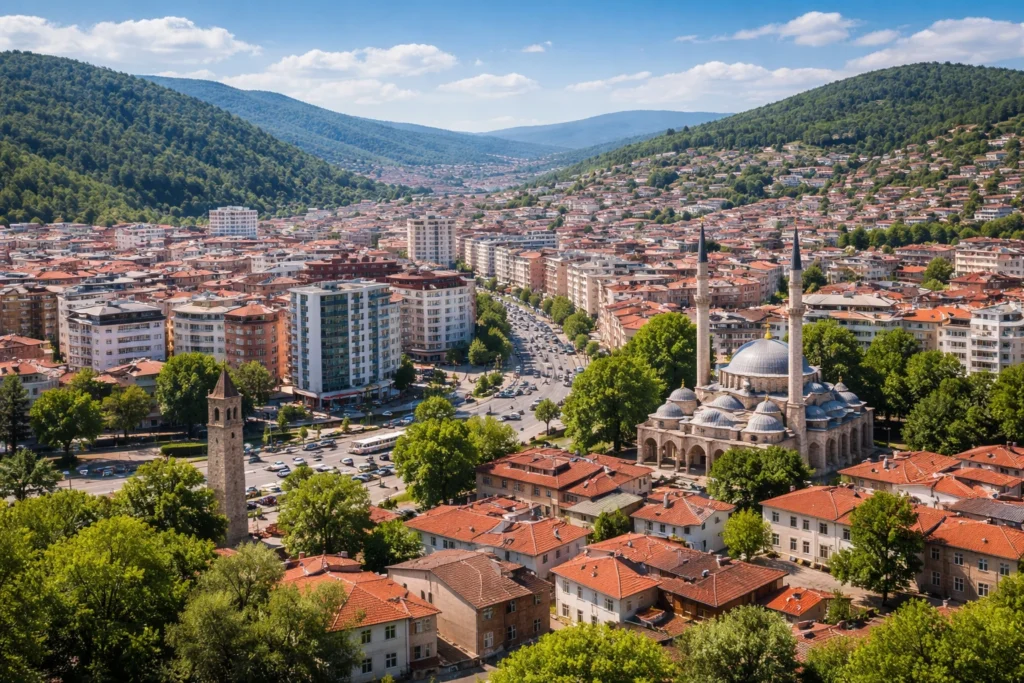
In the scenic town of Perpignan, an alarming Airbnb incident has drawn widespread attention: a guest allegedly changed the locks of a property and registered an electricity account in their name during a short stay. This dramatic case has ignited concerns across France’s tourism industry about the potential risks of short-term rentals, especially as platforms like Airbnb continue to boom.
The Perpignan Incident and Its Fallout
Perpignan, known for its Catalan culture, historical charm, and Mediterranean climate, has become a popular destination for travelers seeking local flair. The growth of vacation rentals across the city and the broader Occitanie region has made Airbnb and similar platforms a central part of Perpignan’s tourism infrastructure. But when a guest allegedly transformed a temporary booking into something more permanent—by changing locks and assuming utility obligations—host confidence was shaken.
Although such cases remain rare in statistical terms, their impact on public perception can be significant. Local hosts report that after the incident, some have opted for shorter minimum stays, stricter vetting, or avoided welcoming new guests altogether. The fear of losing property control has prompted many to reconsider the conventional short-term rental model.
Hosts, Guests, and the Tourism Ecosystem
The short-term rental market forms a vital element of the modern tourism ecosystem. It offers tourists access to homes in city centers, unique local accommodations, and flexibility often unavailable through hotels. In Perpignan’s case, many visitors are attracted by the authenticity, neighborhood feel, and proximity to local life. But when rental situations spiral out of control, the hosts—not the platforms—often bear the brunt of financial and legal risk.
Hosts argue that misbehaving guests not only introduce security risks, but also can damage reputations, incur legal costs, and strain their relationship with neighbors and local communities. Some smaller hosts, especially owners of single properties, feel particularly vulnerable and have begun pushing for clearer legal protections before continuing in the market.
France’s Legal Framework: Balancing Tourism and Local Life
Recognizing these tensions, French authorities have established regulations to manage short-term rentals and protect both property owners and residents. In Paris, for instance, primary residences can be rented out on a short-term basis for no more than 120 days per year. This mechanism is designed to curb the displacement of long-term housing for tourism use while preserving options for visitors.
Moreover, local governments are empowered to require registration of short-term rental listings, often involving permit systems, property identification, and adherence to safety and building standards. Authorities also offer legal recourse for property owners when guests overstay, refuse departure, or disrupt agreements. Local police and courts may intervene to enforce eviction orders, though such processes can still be slow or cumbersome.
In Perpignan, the tourism board maintains that the region’s appeal—its heritage, natural landscapes, and proximity to Spain—remains unaffected by isolated conflicts. The city continues to market its historic center, Catalan roots, and coastal access, while preserving a mixed accommodation landscape with hotels, guesthouses, and holiday rentals.
The Allure of Short-Term Rentals
Across France, short-term rentals are ingrained in tourism strategies. Many travelers see these lodgings as gateways to authentic neighborhoods, offering a more intimate encounter with local life than traditional hotels. In places like Perpignan, tourists may opt for city lofts close to historic plazas, countryside villas near the Pyrenees, or coastal retreats. This variety helps distribute tourist spending across neighborhoods rather than central tourism zones.
As demand grows, hosts continuously upgrade offerings—adding outdoor space, scenic views, modern amenities, and curated experiences. Many guests choose this option not only for cost savings but also for flexibility, space, and the ability to self-cater.
Tourism Outlook and Policy Responses
While the Perpignan case has stirred media attention, France’s tourism sector shows no signs of decline. International arrivals, cultural tourism, gastronomy, and regional discovery remain strong drivers. However, stakeholders are increasingly focused on strengthening the balance: protecting hosts and neighborhoods without chilling the spirit of traveler freedom.
Local authorities, rental platforms, and tourism boards are working to refine policies. Proposals include enhanced guest verification, security deposits, identity checks, automated review flags, and platform liability mechanisms. Some suggest quicker judicial processes for disputes or mediation networks specialized in rental conflicts.
In Perpignan’s case, community leaders are urging dialogue among hosts, legal advisors, and municipal authorities to design rental safeguards that protect property rights while preserving tourism vitality.
Advice for Travelers and Hosts
- For travelers: Verify host credentials, review previous guest feedback, and communicate clearly about check-in, lock policies, and utility responsibilities. Always respect contractual terms and departure dates.
- For hosts: Use strong written agreements, document property condition before and after stays, install smart locks or keypads, and register your rental with local authorities if required. Shorter minimum stays or careful guest screening may also reduce risk.
- For all parties: Understand local rules. Rental laws vary by city and region. In Perpignan and beyond, registration systems, tax obligations, and maximum rental days may affect your rights and responsibilities.
Conclusion: Growth with Prudence
The “squatter” case in Perpignan, while sensational, appears to be an outlier rather than a trend. Its value lies in forcing reflection on how short-term rental systems operate and how they can be improved. For France, a country deeply invested in tourism, the goal is to maintain vibrant visitor flows while safeguarding property rights, neighborhood harmony, and legal clarity.
As France continues to welcome millions of travelers, short-term rentals will remain part of its accommodation mix. Evolving rules, enhanced protections, and smarter platform practices may ensure that incidents like those in Perpignan remain rare—and that hosts and guests alike can use short-term rentals with confidence and security.
For more travel news like this, keep reading Global Travel Wire