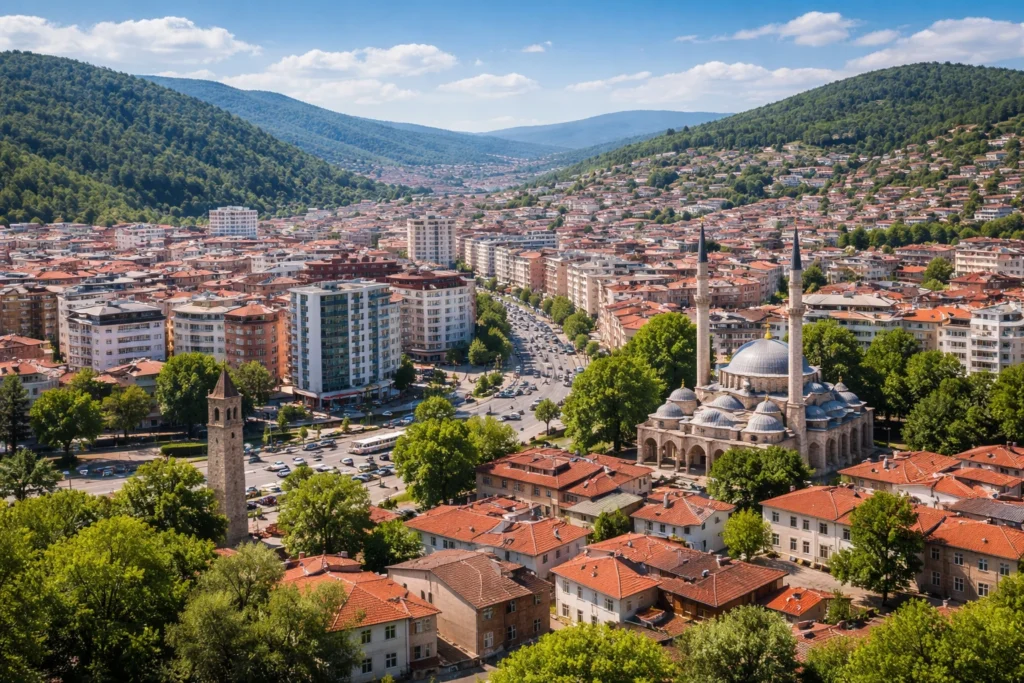
Romania is set to introduce a new tourist levy in 2026, placing it firmly alongside leading European destinations that already charge visitors to support tourism development. The move reflects a wider European shift toward structured tourism funding as cities respond to rising visitor numbers, infrastructure strain, and sustainability concerns.
The levy will apply in Bucharest, Romania’s capital and most visited city. Authorities aim to create a steady revenue stream that supports tourism promotion, public services, and long-term destination management.
What the New Tourist Levy Means for Visitors
From 2026, travelers staying in paid accommodation in Bucharest will pay a fixed nightly fee of 10 Romanian Leu, roughly equivalent to €2. The charge will apply per person, per night, regardless of accommodation type.
Hotels, hostels, guesthouses, serviced apartments, private villas, and short-term rentals will all collect the levy directly from guests. This approach simplifies administration and reduces friction for travelers.
City officials expect the levy to generate around 15 million Romanian Leu annually. These funds will remain dedicated to tourism-related projects rather than general municipal spending.
Why Bucharest Is Taking Action Now
Bucharest has seen steady tourism growth over the past decade. The city attracts visitors with its historic Old Town, cultural festivals, museums, and expanding nightlife scene. In recent years, annual tourist arrivals in the capital have approached two million.
With this growth came pressure on transport networks, public spaces, and heritage areas. Local authorities recognized the need for a proactive funding model that keeps pace with rising demand while preserving the city’s appeal.
The levy aims to balance growth with responsibility, ensuring that tourism contributes directly to the costs it creates.
Part of a Wider European Trend
Romania’s decision mirrors policies already in place across Europe. Many cities now rely on visitor levies to manage tourism impacts and improve services.
Across the continent, tourist taxes vary in structure. Some destinations charge flat nightly fees, while others apply a percentage of room rates or special charges for day visitors. Despite differences, the objective remains consistent: reinvest tourism income into local communities and infrastructure.
By adopting a modest flat fee, Romania positions itself at the lower end of Europe’s tourism tax scale, reducing the risk of discouraging travelers.
How the Revenue Will Be Used
Authorities plan to allocate the new funds across several priority areas.
Strengthening Tourism Marketing
A portion of the revenue will support international promotion. Campaigns will highlight Romania’s cultural heritage, city breaks, and lesser-known regions, encouraging longer stays and repeat visits.
Supporting Events and Festivals
Bucharest hosts major cultural, music, and arts events throughout the year. Funding will help expand existing festivals and attract new international events that boost off-season travel.
Improving Infrastructure
Investment will target transport links, pedestrian areas, signage, and visitor facilities. Better infrastructure improves both visitor experience and resident quality of life.
Advancing Sustainable Tourism
Officials plan to fund projects that reduce environmental impact, protect heritage sites, and manage visitor flows in crowded areas. The focus remains on quality tourism rather than unchecked volume.
Addressing Overtourism Before It Escalates
Many European cities introduced tourism taxes only after overtourism became severe. Overcrowding, rising rents, and strained public services forced rapid intervention.
Romania’s approach differs. Bucharest still has room to grow, but authorities aim to act early. By introducing a levy now, the city hopes to avoid future crises and maintain control over tourism development.
The policy also encourages shared responsibility, ensuring visitors contribute directly to the destinations they enjoy.
Concerns from the Hospitality Sector
Despite broad support, some industry voices remain cautious. Budget accommodation providers worry that added costs may affect price-sensitive travelers. Others seek clearer guidelines on how funds will be distributed and monitored.
Industry groups continue to call for transparency, long-term planning, and collaboration between public authorities and tourism businesses. Officials have signaled that stakeholder engagement will continue ahead of the 2026 rollout.
How Romania Compares on Cost
At around €2 per night, Bucharest’s levy remains lower than many major European cities. Several destinations already charge higher fixed fees or significant percentage-based taxes.
This pricing strategy helps Romania remain competitive while still securing meaningful funding. For most travelers, the cost represents a small addition to overall travel expenses.
The Future of Tourism in Romania
Romania’s tourism sector stands at a turning point. The country continues to gain visibility as a European city-break destination, while rural regions and nature tourism attract growing interest.
The new tourist levy offers a stable foundation for sustainable growth. With targeted investment, Bucharest can improve visitor experiences, protect cultural assets, and support local communities.
As Europe reshapes tourism policy for the post-pandemic era, Romania’s decision signals long-term commitment rather than short-term gain.
A Strategic Step Forward
Romania’s introduction of a tourist levy in 2026 reflects a clear strategic shift. By joining other European nations in structured tourism funding, the country aims to secure revenue, manage growth, and protect destination quality.
If implemented transparently and effectively, the levy could strengthen Bucharest’s position on the European tourism map while setting a practical model for future expansion across the country.
For more travel news like this, keep reading Global Travel Wire