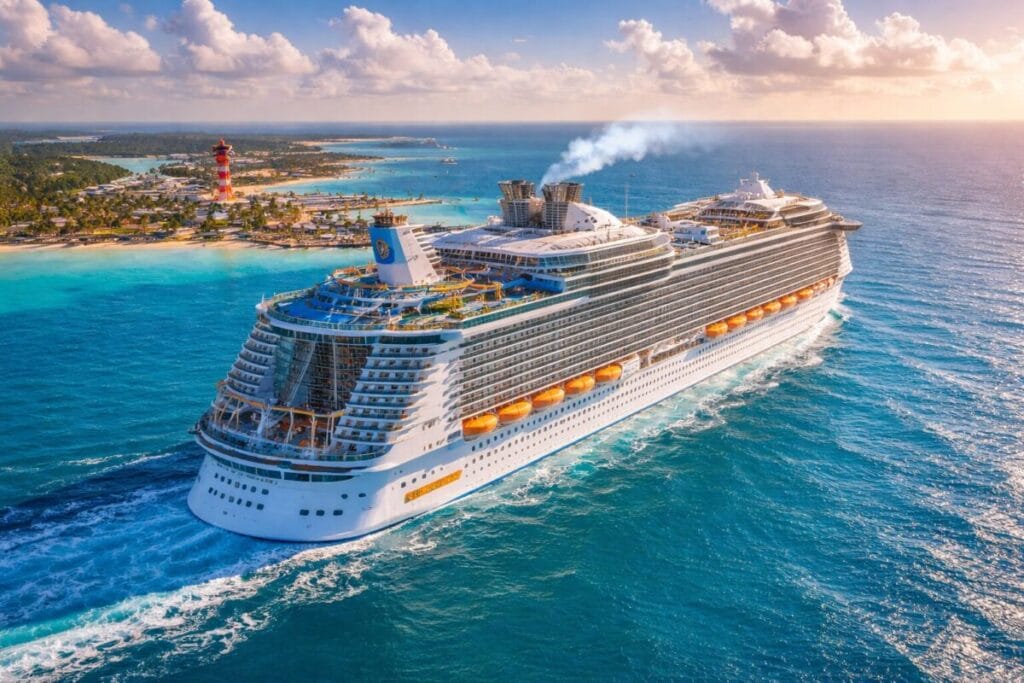
Royal Caribbean Cruises continues to dominate global cruise tourism through strong growth and strategic planning. The company delivered record financial performance in 2025. It also prepared major expansion plans for 2026. At the same time, it accelerated environmental innovation. This dual focus reflects a wider shift across the tourism sector. Travelers now expect luxury experiences with responsible operations. Governments also demand stricter environmental compliance. Royal Caribbean aims to meet both expectations while maintaining strong profitability.
Strong Financial Momentum Defines 2025
Royal Caribbean closed 2025 with exceptional financial results. Revenue reached nearly 18 billion dollars. The company improved significantly from 2024 performance. Strong consumer demand drove this increase. Higher onboard spending also supported revenue growth. Net income climbed to more than 4.2 billion dollars. Earnings per share rose sharply and confirmed operational strength.
The company generated robust cash flow during the year. It returned close to two billion dollars to shareholders. This move reflected confidence in long-term stability. Advance bookings remained strong across all regions. Premium itineraries sold faster than expected. Travelers showed willingness to pay higher fares for newer ships and private destinations.
Capacity Growth and Expansion Plans for 2026
Royal Caribbean plans aggressive expansion in 2026. The company already secured most available capacity at premium pricing. Leadership expects double-digit revenue growth. Capacity additions will support rising global cruise demand. New ships will join the fleet with advanced designs and larger guest capacity.
Industry data suggests global cruise passenger numbers will exceed 38 million in 2026. This growth aligns with broader tourism recovery trends. Travelers increasingly favor cruises for value and convenience. Royal Caribbean also plans expansion in niche segments. These include river cruising and destination-focused itineraries. This strategy reduces dependence on single markets and strengthens global reach.
Changing Travel Preferences Boost Cruise Demand
Cruising continues to gain popularity among international travelers. Many tourists prefer all-inclusive experiences with predictable costs. Cruise vacations offer this advantage. Governments worldwide report increased outbound leisure travel since 2024. Improved aviation connectivity supports easier port access.
Younger travelers also show interest in cruising. Shorter itineraries and entertainment-focused ships attract new demographics. Royal Caribbean designs onboard experiences to match these preferences. The company invests heavily in entertainment, dining, and digital services. These enhancements improve guest satisfaction and repeat bookings.
Environmental Impact Remains a Core Challenge
Despite strong growth, cruising faces environmental pressure. Cruise ships generate high carbon emissions per passenger. Marine fuel combustion contributes to greenhouse gases and air pollution. Port cities experience increased emissions during ship docking. Governments now enforce stricter environmental standards.
Environmental agencies highlight emissions from sulfur oxides and nitrogen oxides. These pollutants affect coastal air quality. Wastewater discharge also threatens marine ecosystems. Public awareness around these issues continues to grow. Cruise companies must act decisively to maintain public trust and regulatory approval.
Royal Caribbean Accelerates Green Innovation
Royal Caribbean invests heavily in cleaner technologies. The company advances its Destination Net Zero strategy. New ships run on liquefied natural gas and alternative fuels. LNG reduces sulfur emissions and improves air quality. The company also tests biofuels and fuel cell systems.
Advanced hull designs reduce drag and fuel use. Air lubrication systems create microbubbles beneath ships. These bubbles reduce friction and save energy. Shore power connections allow ships to shut down engines in port. This approach lowers emissions near populated areas. Waste heat recovery systems further improve efficiency.
Industry-Wide Sustainability Efforts Expand
Other cruise operators follow similar sustainability paths. Major lines invest in LNG-powered fleets. Many test battery-assisted propulsion systems. Improved itinerary planning reduces fuel consumption. Digital navigation tools help optimize speed and routes.
Several operators explore onboard carbon capture technologies. Advanced wastewater treatment systems protect marine life. Exhaust gas cleaning systems reduce harmful pollutants. Industry groups align with international maritime climate targets. Most major cruise lines now aim for net-zero emissions by 2050.
Balancing Growth with Environmental Responsibility
Financial growth and environmental responsibility must coexist. Royal Caribbean recognizes this balance. Strong earnings allow continued investment in green technology. Sustainable operations also attract environmentally conscious travelers. Many tourists now evaluate climate impact before booking.
Governments also incentivize cleaner maritime operations. Ports increasingly require shore power capability. Emission limits continue to tighten. Cruise lines that adapt early gain long-term advantages. Royal Caribbean positions itself ahead of regulatory curves through innovation.
The Future Outlook for Cruise Tourism
The cruise industry enters a transformative period. Demand continues to rise across global markets. At the same time, sustainability expectations intensify. Royal Caribbean leads through financial strength and environmental leadership. New ships, cleaner fuels, and smarter operations define the next phase.
Cruising will remain a key driver of global tourism growth. Companies that invest responsibly will shape the industry’s future. Royal Caribbean shows how growth and sustainability can move forward together.
For more travel news like this, keep reading Global Travel Wire