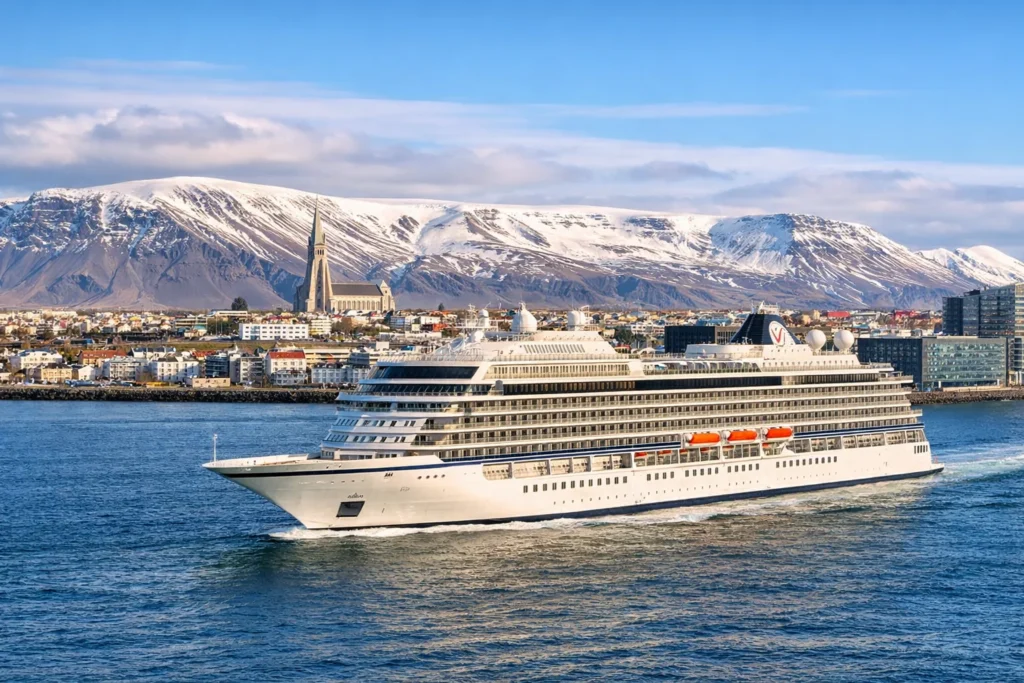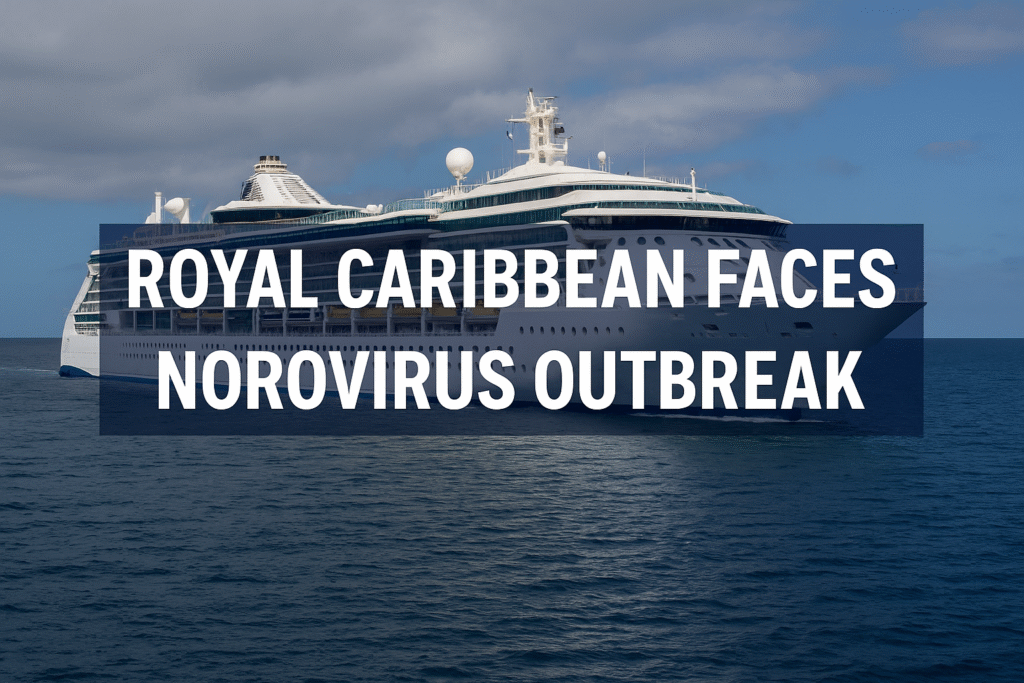
In September 2025, Royal Caribbean International’s Serenade of the Seas experienced an unsettling health incident during its voyage from San Diego to Miami. The cruise, which included stops in Puerto Vallarta, Huatulco, Puntarenas, the Panama Canal, and Cartagena, reported over 70 passengers and one crew member testing positive for norovirus, a gastrointestinal illness that has long been associated with outbreaks in close-contact travel environments.
While the ship carried approximately 1,900 people, only 71 were affected—less than 4 percent of those onboard. Nonetheless, this event marked the 19th gastrointestinal outbreak reported to the CDC in 2025, surpassing the total recorded for the previous year.
What is Norovirus?
Norovirus is sometimes called the “winter vomiting bug.” It spreads quickly in environments where people share dining, living, and recreational spaces. Typical symptoms include vomiting, diarrhea, nausea, and abdominal pain. While the illness is generally short-lived, it can cause serious discomfort, particularly for the elderly, children, or individuals with underlying health conditions.
The CDC has noted that norovirus cases have been rising not only on cruise ships but also in land-based environments such as schools, daycare centers, and care homes. In fact, fewer than 1 percent of global norovirus outbreaks occur at sea—cruise lines simply report them more consistently.
Impact on Travelers
For those affected, the outbreak meant days of disruption. Guests confined to their cabins faced medical isolation, restricted excursions, and increased anxiety. Families with young children and older passengers were particularly worried, as gastrointestinal illness can spread rapidly in close quarters.
For others onboard, the heightened health measures—such as increased sanitation, screenings, and mandatory compliance with hygiene protocols—created an atmosphere of caution. Several passengers shared that while they appreciated the swift action, it reminded them of the fragility of travel plans in today’s environment.
Royal Caribbean’s Response
Royal Caribbean International emphasized its commitment to safety, stating that sanitation protocols already exceed public health requirements. During the voyage, the crew:
- Enhanced disinfectant routines in public areas and dining spaces.
- Isolated affected passengers and crew to prevent further spread.
- Enforced handwashing protocols and provided additional health updates to guests.
- Deployed its onboard medical team around-the-clock, including telemedicine consultations and in-cabin visits.
Passengers also reported increased communication from the crew, reassuring them of ongoing monitoring and containment measures.
Safety Protocols for Passengers
Health experts highlight that passengers themselves play a vital role in preventing norovirus outbreaks. Recommended actions include:
- Washing hands with soap and water for at least 20 seconds, particularly before meals.
- Reporting symptoms immediately to onboard medical staff.
- Complying with isolation and quarantine instructions if unwell.
- Disinfecting personal items, clothing, and surfaces.
- Limiting unnecessary contact in crowded areas during an outbreak.
- Avoiding over-reliance on hand sanitizers, since soap and water are more effective against norovirus.
Following these guidelines not only protects individual travelers but also safeguards the wellbeing of fellow passengers and crew.
Rising Trends and Industry Concerns
The outbreak on Serenade of the Seas reflects a broader upward trend in gastrointestinal illness during 2025. Out of 19 cruise-related outbreaks, at least 10 have been confirmed as norovirus. Some researchers suggest that a newly dominant strain could be contributing to the spike, while others point to lapses in hygiene practices or overconfidence in sanitizers.
Still, public health experts stress that outbreaks receive more visibility at sea than on land. Cruise ships operate under strict international reporting requirements, whereas many land-based outbreaks in schools or nursing homes may never reach official statistics.
Cruise Tourism and Public Trust
The question many travelers are asking is whether outbreaks like this should deter cruise bookings. Tourism analysts argue that while health incidents are concerning, cruise lines have built strong systems of prevention, detection, and response. These efforts, in many ways, exceed what is routinely practiced in land-based hospitality.
Royal Caribbean, with its global fleet of ships and loyal customer base, continues to prioritize trust. Transparent communication, rapid response, and passenger education are seen as key to maintaining confidence in the cruise experience.
Balancing Risk and Reward
Cruising remains one of the most popular forms of leisure travel. Millions of guests embark on voyages each year, drawn by the appeal of all-inclusive amenities, exotic destinations, and immersive experiences. While norovirus outbreaks capture headlines, the actual risk remains relatively small compared to the number of passengers who sail without incident.
Travelers can take personal responsibility by staying informed, practicing good hygiene, and cooperating with health protocols. In return, cruise operators are expected to maintain the highest standards of sanitation and medical readiness.
Looking Ahead
As Serenade of the Seas completed its voyage and returned to regular operations, Royal Caribbean pledged to continue refining its safety measures. The company reiterated that outbreaks are rare but serious, and that passenger health will remain its top priority.
For travelers, this incident serves as a reminder that while health risks exist, responsible actions—by both cruise lines and guests—can ensure safer, more enjoyable voyages.
Conclusion
The Royal Caribbean norovirus outbreak aboard Serenade of the Seas underscores the importance of preparedness and cooperation in cruise tourism. With enhanced sanitation, medical support, and clear protocols, the company is working to safeguard passenger wellbeing while maintaining the excitement and adventure that cruising offers.
As cruise travel continues to rebound globally, guests are encouraged not to shy away from the experience but to embrace it responsibly—combining adventure with awareness to create memories at sea that are both safe and unforgettable.
For more travel news like this, keep reading Global Travel Wire