






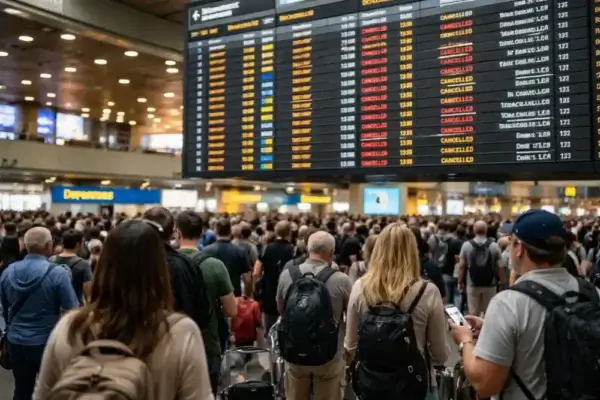





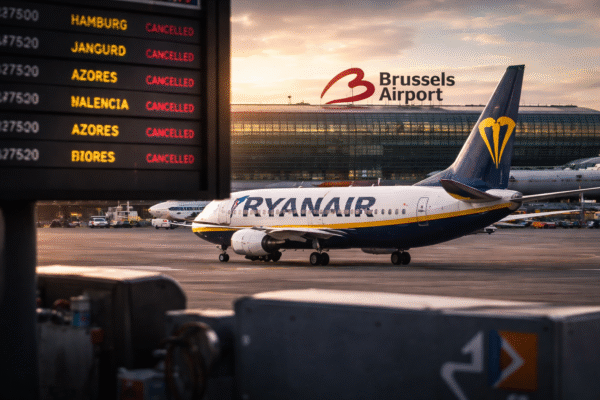
Europe’s travel landscape will enter a turbulent phase in 2026 as Ryanair prepares to slash millions of seats across its network. Belgium, Germany, Portugal, France, Spain, and several central and eastern European nations are now preparing for a year with fewer budget flights. The cuts will reshape tourism flows, push ticket prices higher, and force travelers to reconsider how they move around the continent.
Major Reductions Across Key Markets
Ryanair confirmed that it will remove around three million seats from its schedule next year. The move comes as aviation charges and airport taxes rise in several major hubs. Low-cost airlines rely on lean cost structures, and the new fees have made some routes unprofitable. The airline will prioritize markets that offer incentives, high volumes, or lower operating costs.
Germany is among the most affected countries. Ryanair plans to discontinue routes touching Hamburg, Berlin, Cologne, Frankfurt-Hahn, Dortmund, Leipzig, and Dresden. Many of these routes supported inbound tourism from the UK, Ireland, and southern Europe. Germany’s tourism boards have spent the past decade promoting regional travel beyond Berlin and Munich. Losing budget connectivity may slow this progress and force travelers to shift to rail or full-service airlines.
Spain will also experience major adjustments. Flights to Vigo, Asturias, Valladolid, and Jerez will disappear from schedules. The closure of Ryanair’s base in Santiago de Compostela will disrupt arrivals from northern Europe and could reduce pilgrim and leisure travel to Galicia. Reduced frequencies to Tenerife and the Canary Islands will pressure winter tourism, a sector that relies heavily on affordable flights from northern climates.
Portugal’s Azores archipelago will feel the loss as well. Six routes will be suspended from March 2026. The islands have grown into a sustainable tourism showcase, promoting whale watching, volcanic hikes, and eco-lodging. Reduced air access risks shrinking the market just as visitor numbers begin to diversify beyond summer peak months.
France faces cuts to Bergerac, Brive, Strasbourg, and several smaller regional airports. Budget carriers helped spread tourism across rural France, attracting visitors who once focused solely on Paris or the Riviera. Smaller cities fear that fewer flights could hinder local hospitality industries that benefitted from seasonal European tourism.
Belgium, a major operational base for the airline, will lose 20 routes from Brussels and Charleroi. Ryanair will also remove five aircraft from its Belgian operations. The move will affect both business travel and leisure tourism across Flanders, Wallonia, and Brussels, which draw city-break travelers for food, heritage, and cultural festivals.
Aviation Policy and Taxes Drive Industry Shifts
Europe’s aviation sector has been undergoing regulatory change as governments push to meet climate goals. Higher aviation taxes, increased environmental surcharges, and stricter emissions targets are influencing airline route planning. Some governments argue that cutting short-haul flights will move passengers toward greener rail networks. This shift is already visible in France, where short domestic routes have been replaced by fast-train services.
Airport authorities defend the increases, citing energy costs, security upgrades, and infrastructure modernization as driving factors. However, low-cost carriers say the new environment tilts the market toward legacy airlines with greater pricing flexibility. Ryanair’s management has warned that tourist arrivals in secondary regions may drop if costs continue to rise.
Impact on Travelers and Tourism Demand
For travelers, the loss of low-cost capacity means fewer seat sales, fewer direct city-pair connections, and higher fares on remaining airlines. Popular destinations like Hamburg and Vigo, once attractive for affordable weekend trips, may become more expensive to reach.
Tourism boards across Europe may need to adjust marketing strategies, shifting focus toward train travel or alternative airports that retain capacity. Europe’s rail network has improved dramatically, with new cross-border services supporting tourism mobility. However, for island destinations such as the Azores and the Canaries, flights remain essential.
Hospitality industries could feel a ripple effect. Hotels in affected regions may see slower off-season demand if flight frequencies decline. Tour operators that packaged low-cost carrier routes into itineraries may also need to renegotiate supply arrangements.
Alternatives Travelers Will Consider
Travelers still have options even as Ryanair scales back routes:
- Other low-cost carriers like EasyJet, Wizz Air, and Vueling may absorb some demand.
- National airlines could increase frequencies on profitable routes.
- Rail travel will grow for travelers moving between major European urban hubs.
- Bus networks such as FlixBus may benefit from discounted long-distance fares.
However, none of these alternatives match the same mix of pricing, scheduling, and geographic coverage that Ryanair has offered for years.
A New Travel Reality for 2026
Ryanair plans to focus on high-volume, high-profit routes and airports that negotiate competitive agreements. The airline insists its goal is to protect low fares where possible, but acknowledges that Europe’s regulatory and cost environment is changing.
For now, travel experts advise flexibility for 2026 trips. Booking earlier, considering multi-city itineraries, or shifting travel dates may help mitigate rising fares.
Europe’s tourism sector has proven resilient through crises from border changes to pandemics. But the next chapter will challenge how travelers move, how airlines operate, and how regional tourism adapts to shifting demand.
For more travel news like this, keep reading Global Travel Wire