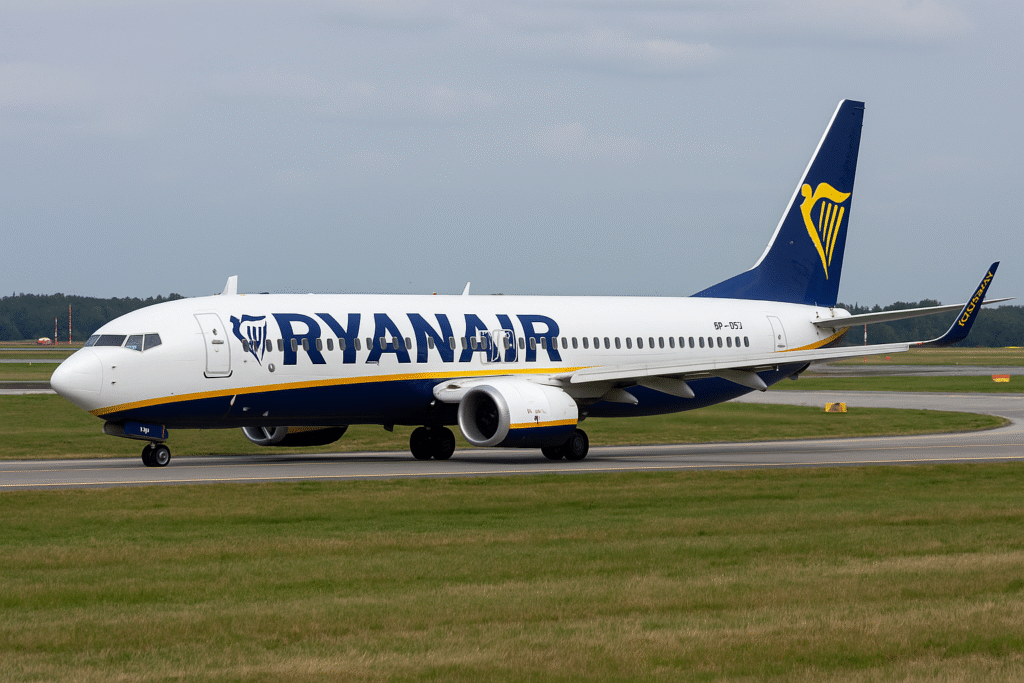
Ryanair, Europe’s largest low-cost carrier, is cutting over 800,000 seats from its Winter ’25 schedule in Germany. The airline will cancel 24 routes across nine airports, including major hubs like Berlin, Hamburg, and Memmingen.
In addition, Ryanair will keep operations suspended in Dortmund, Dresden, and Leipzig. This marks a sharp pullback in its German network compared to last year.
The Main Reason: Rising Aviation Costs
The decision comes amid mounting frustration over high aviation taxes and airport fees in Germany. Ryanair blames the government for failing to reverse a 24 % increase in aviation tax introduced in May 2024.
The airline says Germany’s aviation costs — including air-traffic control and security charges — are among the highest in Europe. These expenses make the German market less competitive than other EU nations.
Competing Nations Offer Lower Costs
Ryanair points to Ireland, Spain, and Poland as examples of countries with minimal or no aviation taxes. Sweden and Hungary have even reduced such charges to stimulate air travel and tourism.
By contrast, Germany’s rising fees have made it harder for airlines to recover from the pandemic. Many carriers still operate below pre-COVID traffic levels. Ryanair argues that this cost imbalance is stalling growth across the German aviation sector.
Germany’s Air Travel Recovery Lags Behind
According to the German Airports Association (ADV), Germany’s air traffic reached only 86 % of pre-pandemic levels by late 2025. This places it among Europe’s slowest-recovering aviation markets.
Countries that supported airlines with tax relief and lower fees have already surpassed pre-COVID levels. Ryanair warns that without policy changes, Germany will continue to lose routes and investment to its European rivals.
Tourism Faces Major Setback
The cutbacks will directly affect German tourism. Fewer routes mean reduced connectivity for key destinations, making it harder for international visitors to reach popular cities and regional hubs.
Tourism operators worry about higher ticket prices as flight options shrink. Affordable travel has long been a key draw for visitors to Germany, and Ryanair’s retreat could shift demand toward other low-cost European destinations.
Job and Economic Consequences
Fewer flights also mean fewer local jobs. Airport ground staff, maintenance workers, and service providers will all face reduced demand. Ryanair’s decision could affect hundreds of positions across regional airports that depend heavily on its traffic.
The airline says it could invest more in Germany — adding up to 30 aircraft and creating thousands of jobs — if aviation taxes were lowered. Without such measures, Ryanair warns that its capacity cuts could become permanent.
Government Urged to Act Quickly
Ryanair has urged the German government to review its aviation tax policy immediately. The airline calls on Transport Minister Patrick Schnieder to take steps that make Germany more attractive for carriers and tourists alike.
Lowering taxes and access fees, it argues, would boost passenger numbers, help regional airports, and stimulate economic growth. Ryanair insists that such reforms would bring direct benefits to tourism, trade, and employment.
A Warning for the Future
Germany’s aviation sector stands at a crossroads. High operating costs are pushing airlines away, and the fallout could extend far beyond airports. The tourism and service industries risk losing the momentum needed to sustain post-pandemic recovery.
If the government takes action, the country could see renewed airline investment and job creation. But without change, Germany’s skies may grow quieter — and its tourism economy weaker — in the years ahead.
Summary
Ryanair’s move to slash capacity and cancel routes highlights the urgent need for Germany to reform its aviation policy. Rising costs have made the market less competitive and risk undermining recovery.
The airline’s decision serves as a clear warning: without swift government intervention, Germany could face lasting losses in air connectivity, tourism revenue, and employment opportunities.
For more travel news like this, keep reading Global Travel Wire