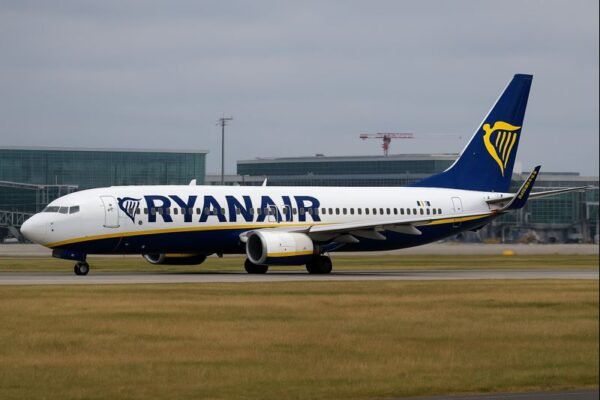
Belgium’s proposal to sharply increase airport departure taxes has triggered a strong response from Ryanair. The low-cost airline warns that the move could damage tourism, reduce air connectivity, and put thousands of jobs at risk. The dispute highlights growing tension between government tax policies and airline growth strategies across Europe.
The Belgian government plans to double its federal passenger departure tax by 2027. At the same time, local authorities near Charleroi Airport are considering an additional municipal levy. Airlines fear these combined costs will make Belgium less competitive in the European aviation market.
Ryanair Announces Major Operational Cuts
Ryanair has confirmed that it will significantly scale back its operations in Belgium if the tax plan moves forward. The airline plans to cut one million seats from its Brussels-area operations during the winter 2026–27 season. These reductions will affect around 20 routes across Charleroi and Brussels Zaventem airports.
The airline also plans to remove five aircraft from its Charleroi base. This decision represents a major reduction in capacity and investment. Ryanair estimates the aircraft withdrawal alone equals nearly half a billion dollars in lost long-term investment.
Rising Taxes Could Push Travelers Elsewhere
The current federal departure tax in Belgium stands at five euros per passenger. Under the proposal, this amount would rise to ten euros. On top of that, Charleroi’s local council is considering a new three-euro passenger charge.
Ryanair argues that these costs will directly affect ticket prices. Price-sensitive travelers may choose nearby airports in France or other neighboring countries. This shift could reduce passenger volumes at Belgian airports and weaken the country’s tourism appeal.
Competitive Pressure from Other EU Countries
Ryanair has contrasted Belgium’s tax strategy with actions taken elsewhere in Europe. Several EU countries have reduced or removed aviation taxes in recent years. Their goal has been to boost tourism, attract airline investment, and support post-pandemic recovery.
Airlines say Belgium is moving in the opposite direction. Higher taxes may discourage route expansion and fleet growth. Over time, this could reduce Belgium’s role as a key European travel hub.
Tourism Industry Faces Growing Uncertainty
Belgium attracts more than 18 million visitors each year. Tourism supports hotels, restaurants, transport providers, and cultural attractions nationwide. Any reduction in air access could ripple across these sectors.
Low-cost carriers like Ryanair play a key role in bringing leisure travelers to Belgium. Fewer routes and higher fares may reduce short-break travel and city tourism. Regional destinations near Charleroi could feel the impact first.
Jobs and Regional Economies at Risk
Ryanair warns that flight reductions could begin as early as April 2026. The airline estimates that thousands of direct and indirect jobs could come under threat. These include airport staff, ground handlers, and workers in tourism-related businesses.
Charleroi Airport relies heavily on low-cost traffic. A significant capacity cut could weaken the regional economy and slow future development. Local leaders fear long-term damage if airlines redirect growth elsewhere.
Government Goals and Environmental Concerns
Belgian authorities say the tax increase aims to fund airport infrastructure and meet environmental commitments. Aviation emissions remain a sensitive issue across Europe. Governments face pressure to balance climate goals with economic growth.
Airlines argue that sudden tax hikes may not deliver environmental benefits. Instead, they may shift traffic to other countries without reducing overall emissions. Industry leaders continue to call for coordinated European solutions rather than isolated national measures.
Aviation Recovery Still Fragile
The aviation sector continues to recover from the effects of the pandemic. Demand has improved, but costs remain high for airlines and passengers alike. Taxes and fees play a major role in route planning and pricing decisions.
Low-cost carriers depend on volume and affordability. Any increase in fixed passenger charges can quickly change the viability of routes. Ryanair says Belgium’s proposal threatens the fragile balance that supports affordable travel.
Calls for Policy Reconsideration Grow Louder
Ryanair has urged Belgian policymakers to rethink the proposed tax increases. The airline believes lower aviation taxes would stimulate tourism, protect jobs, and attract further investment.
Industry observers say dialogue between governments and airlines remains crucial. Sustainable aviation growth requires predictable policies and competitive cost structures. Without compromise, Belgium risks losing air connectivity to more aviation-friendly neighbors.
What Comes Next for Belgium’s Aviation Sector
The debate over airport taxes is far from settled. Belgium must weigh fiscal needs, environmental targets, and economic competitiveness. The final decision will shape the country’s tourism and aviation landscape for years to come.
For now, airlines, workers, and travelers await clarity. The outcome will determine whether Belgium strengthens its position as a European travel gateway or faces a gradual decline in air traffic and tourism growth.
For more travel news like this, keep reading Global Travel Wire