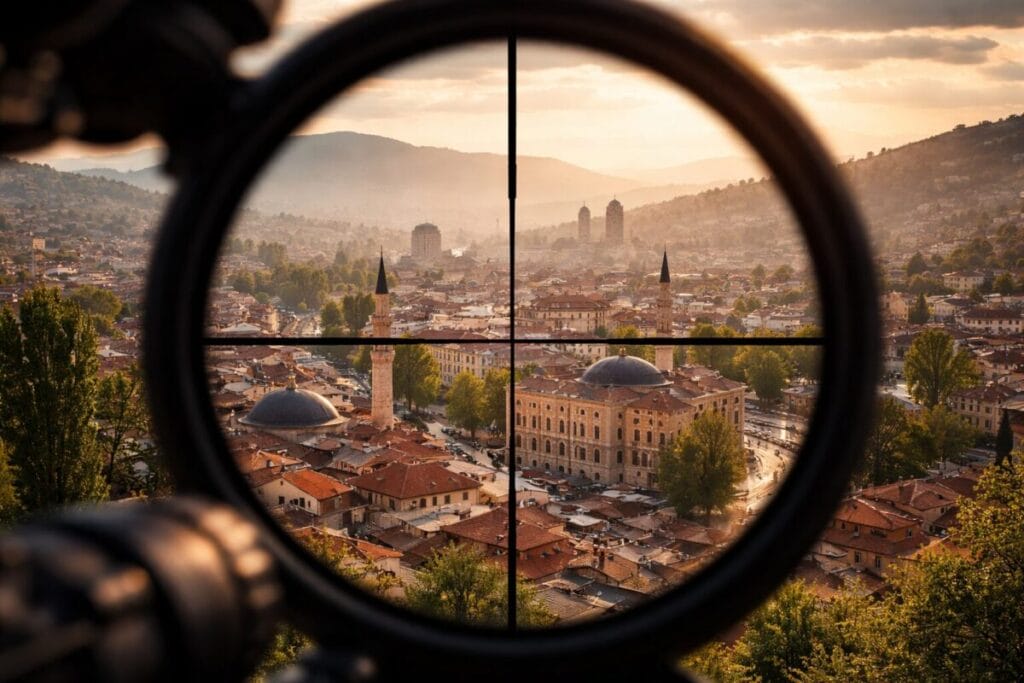
Sarajevo, one of Southeast Europe’s most symbolic destinations, faces renewed international attention after Italian authorities launched an investigation into alleged “sniper tourism” during the Bosnian War. The probe examines claims that foreign visitors paid to participate in or observe sniper activities during the siege of Sarajevo in the 1990s.
The investigation reportedly focuses on an elderly Italian suspect believed to have helped organize or participate in these activities decades ago. Prosecutors aim to clarify whether foreign individuals paid local forces for access to hilltop vantage points overlooking the city.
Although the case concerns historical events, its impact reaches into today’s tourism landscape. Sarajevo’s identity as a destination rooted in remembrance and resilience now faces complex ethical questions.
Historical Context Behind the Allegations
The Siege of Sarajevo remains one of the longest in modern history. For nearly four years, residents lived under constant threat. Snipers targeted civilians moving through streets that later became symbolic locations.
Italian investigators began reviewing the case after new testimonies and media attention revived past allegations. Authorities examine claims that certain individuals traveled through nearby European routes to reach conflict zones, where shootings allegedly became organized experiences.
While the legal process unfolds abroad, Bosnia and Herzegovina’s tourism authorities monitor public perception carefully. The country has invested heavily in promoting historical education rather than sensationalism.
Dark Tourism’s Growing Appeal and Ethical Questions
Sarajevo attracts visitors interested in history, memory, and post-war recovery. Travelers visit museums, tunnels used during the siege, and guided walking tours through neighborhoods that still bear wartime scars.
This form of travel, often called dark tourism, plays a significant role in the local economy. Many visitors seek deeper understanding of past conflicts. They engage with survivor stories and educational exhibits.
However, the investigation raises concerns about how historical trauma gets interpreted. Critics worry that sensational stories could overshadow respectful storytelling. Families and educational groups may hesitate if headlines emphasize controversy rather than education.
Tourism operators increasingly focus on responsible narratives. They highlight resilience, cultural revival, and community healing instead of violence.
Impact on Bosnia’s Tourism Image
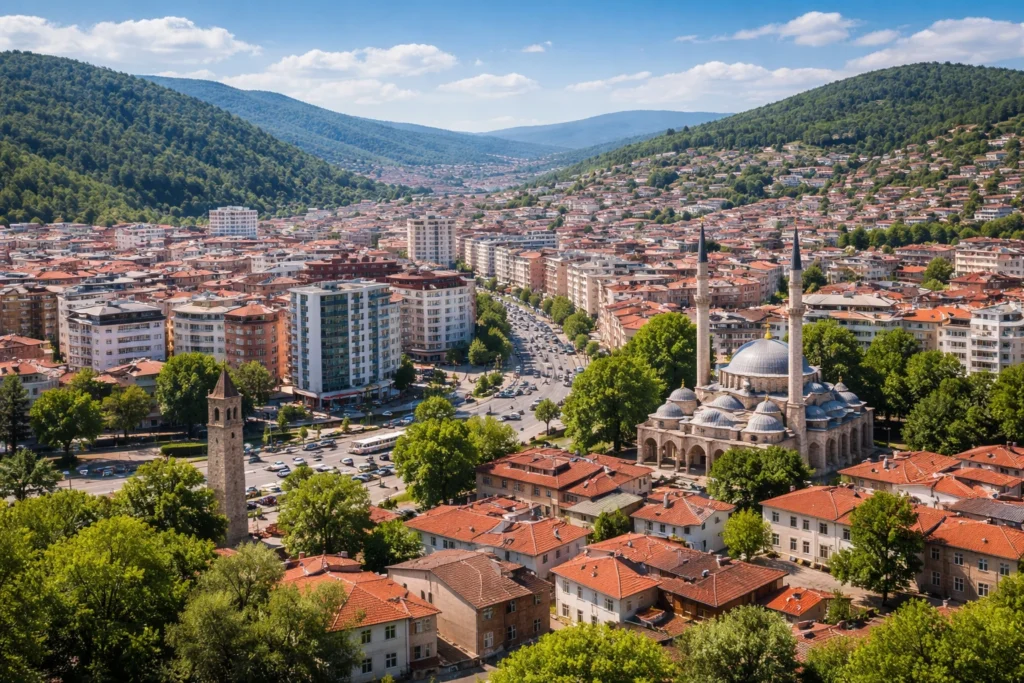
Bosnia and Herzegovina has seen steady growth in visitor numbers over recent years. Sarajevo remains the main gateway for international arrivals. The city blends Ottoman architecture, Austro-Hungarian heritage, and vibrant modern culture.
Tourism officials continue promoting safety and cultural diversity. The current investigation has not resulted in travel restrictions. Authorities emphasize that Sarajevo today is peaceful, welcoming, and focused on sustainable development.
Still, media coverage can influence traveler perceptions. Even distant legal proceedings may shape public opinion. Tourism stakeholders respond by reinforcing clear messaging about ethical tourism practices.
Legal Developments and International Cooperation
Italian prosecutors pursue the case under laws addressing serious crimes with aggravating circumstances. The investigation involves international cooperation due to the cross-border nature of alleged activities.
Survivors and advocacy groups hope the legal process may bring long-awaited recognition and accountability. For tourism professionals, the investigation underscores the importance of accurate historical interpretation.
Local guides and museums increasingly adopt research-based storytelling. They work with historians and educators to ensure factual narratives. This approach strengthens credibility and builds trust among visitors.
Sarajevo’s Strategy for Sustainable Tourism Growth
Despite the controversy, Sarajevo continues to expand its tourism offerings beyond war history. Authorities promote nature tourism in nearby mountains, culinary experiences rooted in Balkan traditions, and cultural festivals celebrating music and film.
Diversification reduces reliance on dark tourism alone. Officials encourage visitors to explore national parks, winter sports, and heritage towns across Bosnia and Herzegovina.
Government tourism strategies highlight community involvement and environmental sustainability. These policies help ensure that tourism supports local livelihoods while preserving historical integrity.
Balancing Memory and Respect at War Sites
War memorials and historical locations require sensitive management. Operators introduce ethical guidelines for tours. These guidelines discourage sensational language and encourage reflection.
Educational programs focus on human stories rather than conflict spectacle. Museums increasingly use multimedia exhibitions to present balanced perspectives.
Travelers also play a role. Responsible tourism encourages respectful behavior at memorials. Visitors learn about local culture and understand the lasting effects of war.
What Travelers Should Expect Now
For tourists planning trips, daily experiences in Sarajevo remain unchanged. The city continues to offer safe travel conditions, vibrant markets, historic neighborhoods, and warm hospitality.
Tourism boards emphasize transparency. They communicate openly about history while highlighting progress since the war. Many travelers find Sarajevo inspiring because it combines remembrance with renewal.
Experts believe the investigation may spark deeper conversations about ethical travel rather than reduce visitor numbers significantly.
Future Outlook for Sarajevo Tourism
As the legal process continues, Sarajevo positions itself as a model for responsible dark tourism. The city aims to transform difficult history into meaningful education.
New storytelling approaches highlight resilience, coexistence, and cultural revival. Investments in infrastructure and cultural programming further strengthen tourism appeal.
Ultimately, Sarajevo’s strength lies in its ability to honor the past while embracing the future. The current scrutiny may encourage more thoughtful tourism practices and reinforce the city’s reputation as a destination defined by courage and recovery.
For more travel news like this, keep reading Global Travel Wire