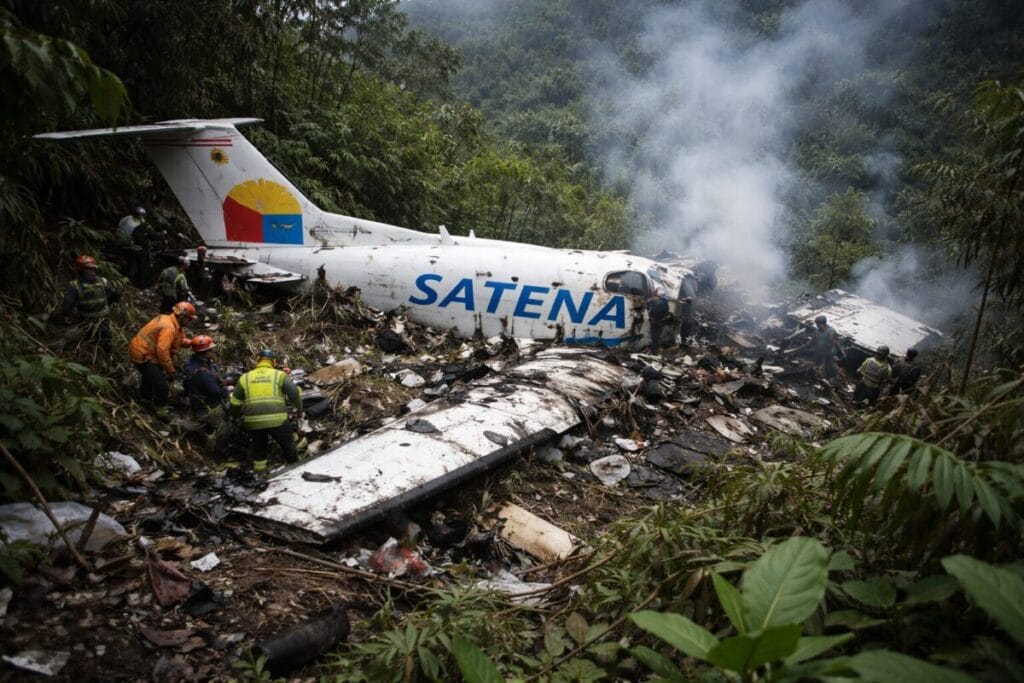
A tragic aviation accident in Colombia has raised fresh concerns about flight safety in the country’s regional travel network. Satena Airlines Flight 9R8895 crashed on January 28, 2026, killing all fifteen people on board. The incident has prompted investigations, travel warnings, and renewed scrutiny of regional airline operations.
The crash has also affected tourism and domestic travel plans in northern Colombia, particularly in areas served mainly by smaller aircraft.
Authorities are still working to determine the exact cause of the accident.
Crash Occurs on Route Near Venezuelan Border
The aircraft was flying from Cúcuta to Ocaña when it lost contact with air traffic control shortly after departure. Radar data shows the plane vanished from tracking systems around twelve minutes into the flight.
The crash site lies in mountainous rural terrain near the Venezuelan border. Dense vegetation and difficult access have slowed recovery and investigation efforts.
Among the victims was a well-known regional political figure and members of his team, adding national attention to the tragedy.
Emergency teams needed several hours to reach the crash location due to poor road access and challenging weather conditions.
Flight Data Raises New Questions
Early flight tracking data shows the aircraft descending steadily before radar contact ended. The descent rate initially appeared normal for this aircraft type.
However, just before contact was lost, the descent pattern changed. Investigators now want to know whether weather conditions, operational decisions, or technical factors influenced the final moments.
Another concern is the absence of an emergency locator signal. Normally, such signals help rescuers quickly pinpoint crash locations. Investigators are examining whether equipment malfunction or sudden impact prevented activation.
Authorities are now focused on retrieving onboard recorders, which could provide crucial clues about cockpit conversations and aircraft systems.
Airline Safety Rating Adjusted After Accident
Following the crash, aviation safety monitoring agencies revised Satena Airlines’ safety rating downward. Ratings typically drop after fatal accidents until investigations determine the cause.
This adjustment does not assign blame but reflects increased risk exposure after a major incident.
Travelers considering regional flights in Colombia are advised to stay updated on airline safety developments. Airlines often respond to accidents by reviewing operational procedures and crew training programs.
Safety ratings may change again once official investigation results become available.
Beechcraft 1900D Aircraft Background
The aircraft involved was a Beechcraft 1900D turboprop, commonly used on short regional routes. This model has operated worldwide for decades, especially in areas with limited airport infrastructure.
While the aircraft type has seen accidents in the past, aviation experts note that many incidents resulted from operational or environmental challenges rather than structural design issues.
Mountainous terrain, weather changes, and runway limitations often increase operational risks in remote regions.
The aircraft involved in this accident had been in service since the mid-1990s and changed operators several times before joining Satena’s fleet through leasing arrangements.
Investigators will examine maintenance records and operational history as part of the inquiry.
Impact on Regional Travel and Tourism
The accident has affected travel plans across northern Colombia, especially routes connecting remote communities. Regional flights often serve areas where road transport remains slow or unreliable.
Tourism operators report growing concern among travelers planning domestic trips in Colombia. Some passengers have postponed travel while awaiting updates.
Local authorities warn that temporary flight schedule adjustments may occur as investigations continue near the crash zone.
Tourists traveling within Colombia should confirm flight schedules in advance and allow additional time for potential disruptions.
Despite the incident, major international airports and primary tourist destinations continue operating normally.
Investigation Continues Amid Difficult Conditions
Colombian aviation authorities have launched a full investigation. Specialists from accident investigation teams are examining wreckage, maintenance records, and operational procedures.
Difficult terrain and weather conditions may slow evidence collection. Investigators must carefully transport wreckage pieces and recording devices for analysis.
A preliminary report is expected once initial evidence review finishes. Final conclusions could take months, as aviation investigations require detailed technical analysis.
Authorities stress that investigations aim to improve future safety rather than assign immediate blame.
Satena Airlines Faces Operational Scrutiny
Satena Airlines primarily serves remote Colombian destinations. The airline often operates flights connecting isolated communities that lack strong transport links.
Following the accident, aviation regulators may conduct operational audits. Airlines often respond to such scrutiny by strengthening maintenance checks, updating crew training, and revising safety procedures.
Satena Airlines has pledged full cooperation with investigators and promised to improve safety systems if required.
Travelers using regional airlines are encouraged to monitor airline communications and official travel updates.
What Travelers Should Know Now
Passengers planning domestic travel within Colombia should remain aware of possible flight changes in affected regions. Airlines may temporarily alter routes or schedules as recovery operations continue.
Travel experts recommend confirming flight status before airport arrival and maintaining flexible travel plans during investigation periods.
Tourism officials also emphasize that Colombia remains open and safe for travelers, with normal operations across major cities and tourist hubs.
A Tragedy and a Reminder for Aviation Safety
The loss of Flight 9R8895 marks a painful moment for Colombian aviation and affected families. It also highlights ongoing challenges faced by airlines operating in complex geographic environments.
Aviation authorities and airlines continue working to strengthen safety standards and minimize risks in regional aviation.
For travelers, the incident underscores the importance of staying informed and prepared when flying in remote or mountainous regions.
As investigations continue, the aviation industry hopes lessons learned will help prevent future tragedies and maintain confidence in regional air travel.
For more travel news like this, keep reading Global Travel Wire