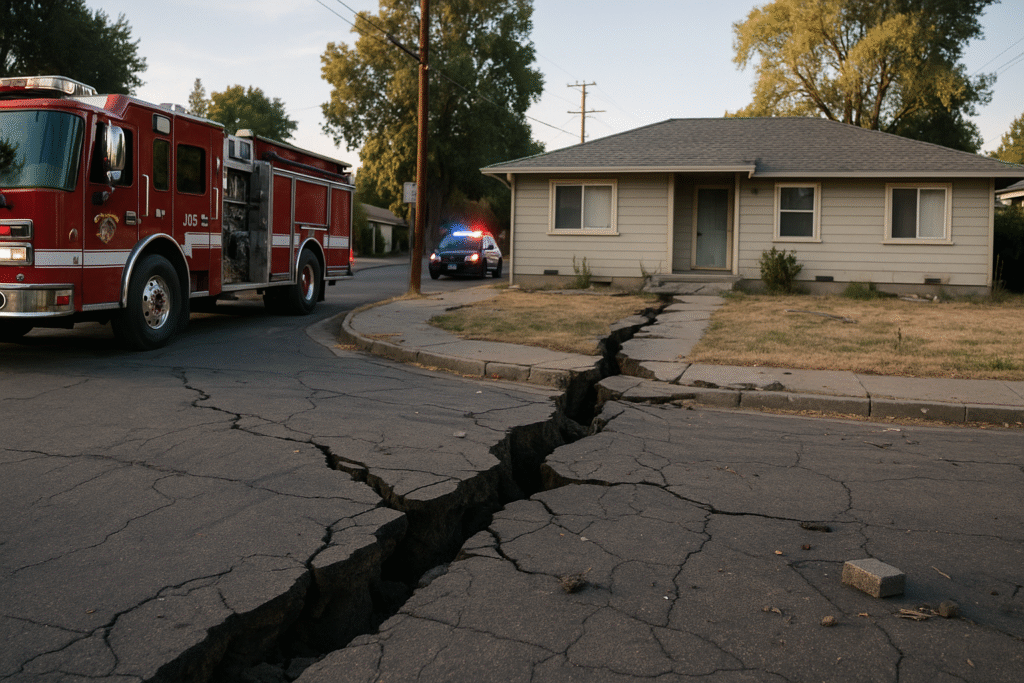
California experienced another reminder of its seismic nature when a 3.0 magnitude earthquake struck near Seven Trees on November 18, 2025. The quake hit shortly before sunset, shaking parts of the South Bay and drawing attention from residents, commuters, and tourists. While the tremor was minor, it added to a recent streak of small quakes felt across the region and renewed focus on safety for locals and visitors.
The earthquake struck at 5:48 p.m. local time, with a shallow depth of about four miles. Shallow quakes tend to produce stronger surface shaking, which explains why communities near San Jose felt brief but noticeable movement. Many travelers staying in hotels across the city also reported light rattling but no damage.
A Week of Seismic Activity in Northern California
The Seven Trees tremor followed several small earthquakes recorded earlier in the week. The region often experiences clusters of seismic movement due to its location near major faults. Recent activity included:
- A magnitude 3.3 quake near San Ramon
- A magnitude 2.7 quake south of Tres Pinos
- Several minor micro-quakes recorded across the Bay Area
These frequent shifts are common in California, but they highlight the importance of staying alert, especially for travelers unfamiliar with earthquake-prone regions.
What a 3.0 Magnitude Earthquake Means
A 3.0 magnitude earthquake falls into the “minor” category. These quakes are seldom destructive. They may cause light shaking, rattling windows, and a brief sense of imbalance, but they rarely trigger damage. For tourists exploring the Bay Area, this level of tremor does not disrupt travel plans or local operations.
Magnitude levels help explain the energy released during a quake. Events between 2.5 and 5.4 are typically felt but cause little harm. This most recent earthquake fits that profile. Still, it reinforces the need for safety awareness, especially for anyone visiting California for the first time.
Travel Advisory: What Visitors Should Know
Visitors exploring San Jose, Silicon Valley, and Seven Trees can continue with their travel plans. Roads, hotels, and attractions remain open. Airports and transit systems reported no disruptions.
However, travelers should keep basic safety principles in mind, as earthquakes happen without warning. Tourists staying in hotels or vacation rentals should locate emergency exits, secure personal items, and follow guidance from local authorities if stronger quakes occur.
How to Stay Safe During an Earthquake
Even small earthquakes serve as useful reminders to stay prepared. Whether you are a resident or a traveler, the right actions during shaking can prevent injuries.
If You Are Indoors
- Drop to the ground.
- Take cover under sturdy furniture.
- Hold on until the shaking stops.
- Stay indoors until it is safe to exit.
If You Are Outdoors
- Move away from buildings, trees, and power lines.
- Stand in an open space.
If You Are Driving
- Pull over safely.
- Keep your seatbelt on.
- Avoid bridges and overpasses.
If You Are in Bed
- Stay down.
- Cover your head with a pillow.
These steps are part of the standard “drop, cover, and hold on” method taught in earthquake-prone areas across the United States.
Aftershocks and Post-Earthquake Risks
Aftershocks can follow even small quakes. They may be light, but they still surprise people. Travelers should stay alert, especially over the next several days, as the region may experience more mild shaking.
Other post-quake concerns include:
Gas Leaks
If you smell gas, leave immediately and notify emergency services.
Power Disruptions
Minor tremors can affect power lines. Keep flashlights and battery-powered devices nearby when traveling.
Structural Damage
While unlikely after a 3.0 quake, visitors should report any cracks or damage seen in hotels or rental properties.
Loose Objects
Small quakes can shift items on shelves. Be cautious when entering unfamiliar rooms.
Preparedness Tips for Travelers and Locals
Preparedness is key in any seismic region. Visitors can take simple steps to stay safe:
- Carry a small travel emergency kit with water, snacks, and a flashlight.
- Keep a charged phone and portable power bank.
- Store heavier luggage low to prevent falls.
- Discuss meeting points with family members during outings.
Residents can go further by securing furniture, fastening shelves, and preparing a full home emergency kit.
A Reminder to Stay Informed and Ready
The 3.0 magnitude Seven Trees earthquake caused no damage, but it reminded California—and its many visitors—that seismic activity is part of everyday life here. Staying informed, staying calm, and knowing what to do can make a major difference.
As the region continues to experience small tremors, both residents and travelers can benefit from a renewed focus on safety and preparedness. With the right knowledge, visitors can explore California confidently and enjoy the beauty of the state without worry.
For more travel news like this, keep reading Global Travel Wire