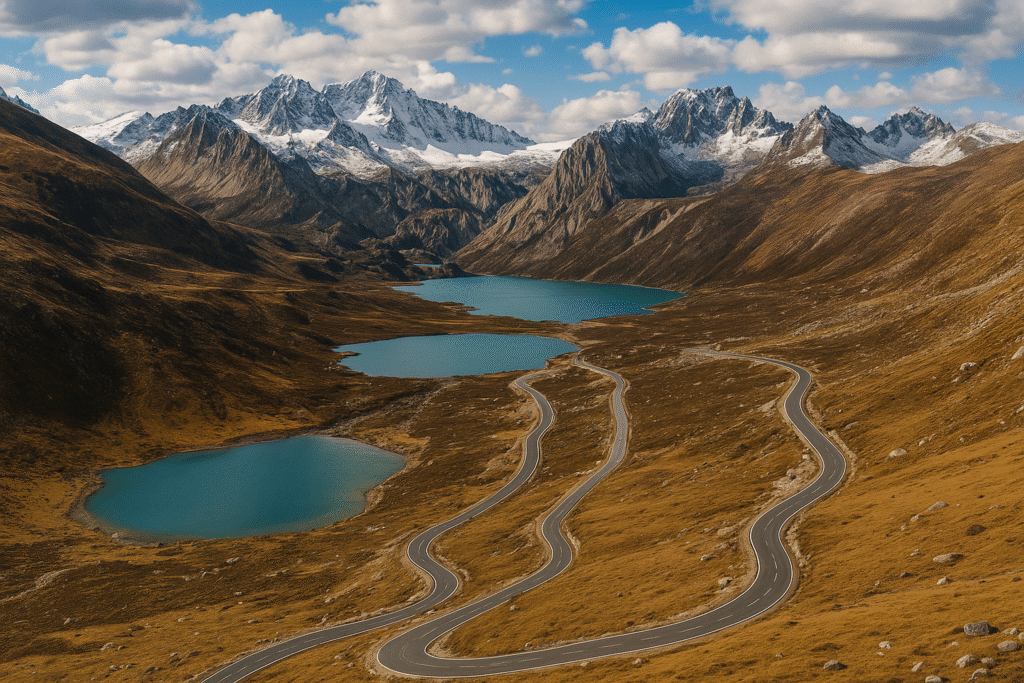
The northeastern state of Sikkim is making headlines with its decision to introduce controlled tourism in the high-altitude regions of Chola and Doklam. Starting September 27, 2025, Indian travelers will be able to access two of the state’s most breathtaking yet unexplored landscapes, both situated at altitudes of 13,000 to 14,000 feet above sea level.
This initiative provides adventurers and nature lovers with an unprecedented opportunity to explore pristine Himalayan beauty while ensuring that ecological balance is maintained. By limiting tourist numbers and regulating access, the Sikkim government aims to protect the fragile environment of these high-altitude zones while boosting the state’s reputation as India’s leading eco-tourism destination.
Controlled Access for Sustainability
Recognizing the delicate nature of the ecosystems in Chola and Doklam, the government has adopted a strict permit-based system. In the initial phase, only 25 vehicles per day will be allowed to enter, ensuring minimal disruption to the environment. Permits will be carefully monitored, and access will be phased to prevent overcrowding.
This strategy underscores Sikkim’s broader commitment to sustainable tourism, ensuring that the state’s natural wonders remain unspoiled for future generations. Unlike popular tourist circuits elsewhere in the Himalayas that have faced over-tourism, the Chola and Doklam initiative is designed with ecological preservation at its core.
Reserved Exclusively for Indian Tourists
In a unique policy decision, the Sikkim government has reserved Chola and Doklam exclusively for Indian tourists. Foreign travelers will continue to have access to areas like Changu Lake, but the decision to limit access to Indians reflects both security considerations and logistical challenges. The rugged terrain and proximity to sensitive border areas require tighter controls, making restricted access a necessary precaution.
This exclusivity also provides Indian travelers with a rare chance to explore regions that have long remained inaccessible, further enhancing domestic tourism within the country.
Infrastructure Development for Travelers
To support tourism in these extreme environments, the state is investing in essential infrastructure. Facilities for acclimatization are being planned in areas such as Kupup and Gnathang, allowing visitors to adjust to the high-altitude conditions before proceeding further. Accommodation packages are being developed to offer rest stops along the way, with an emphasis on comfort without compromising sustainability.
While Doklam already has some basic facilities, the Chola area is undergoing further development to ensure that visitors have access to safe and eco-friendly amenities. This phased approach reflects Sikkim’s careful planning to balance tourism development with environmental preservation.
Adventure Tourism with a Difference
Unlike mainstream circuits, the Chola and Doklam routes will feature carefully curated adventure experiences. Activities like guided treks, limited motorbike rides, and cultural interactions with local communities will be introduced under supervision. The idea is to provide visitors with thrilling adventures without disturbing the ecological fabric of the region.
High-altitude trekking in these zones will appeal to seasoned adventurers, while photography enthusiasts will find the dramatic landscapes, glaciers, and rugged terrain an unmatched visual treat. With careful monitoring, these adventure offerings are expected to become highlights of Sikkim’s expanding tourism portfolio.
Ecological and Cultural Significance
The Southern and Eastern Himalayas are regarded as some of the least explored high-altitude regions in the world. Sitting between 2,500 and 5,000 meters, they form the headwaters of major Asian river systems and support unique ecosystems found nowhere else. The opening of Chola and Doklam places Sikkim firmly on the global map for eco-sensitive exploration.
Beyond the landscapes, these areas are also culturally rich. Local communities preserve centuries-old traditions that are now being woven into the tourism experience. By offering authentic cultural interactions, Sikkim ensures that visitors gain a deeper understanding of the region’s heritage alongside its natural splendor.
Diversifying Sikkim’s Tourism Market
The controlled opening of Chola and Doklam represents a significant step in diversifying Sikkim’s tourism industry. For years, attractions like Gangtok, Yumthang Valley, and Tsomgo Lake have drawn visitors. The addition of new circuits expands the state’s offerings, spreading tourist traffic more evenly and providing economic benefits to remote regions.
Officials believe this approach will position Sikkim as a benchmark for eco-tourism in India, appealing not only to thrill-seekers but also to travelers who value sustainability and cultural immersion.
The Road Ahead
While the plan is ambitious, authorities acknowledge that it will take time to fully realize its potential. Infrastructure development, strict monitoring, and sustainable policies will be essential in ensuring the long-term success of this initiative.
The government’s proactive stance on eco-tourism also opens the door for “battlefield tourism”, given the historical and strategic importance of these border zones. Combining natural beauty with cultural and historical narratives could provide Sikkim with a unique edge over other Himalayan destinations.
Conclusion: Sikkim’s New Era of Tourism
The launch of controlled tourism in Chola and Doklam marks a milestone in Sikkim’s journey as a leader in eco-sensitive tourism. By carefully balancing exploration with preservation, the state is showing how fragile high-altitude landscapes can be made accessible without compromising their integrity.
For Indian travelers, this initiative offers a once-in-a-lifetime opportunity to discover remote Himalayan wonders that have long remained hidden. For Sikkim, it is a chance to redefine itself as India’s premier eco-tourism and adventure tourism hub.
With vision, restraint, and commitment to sustainability, Sikkim is charting a new course that could inspire similar models across the Himalayas and beyond.
For more travel news like this, keep reading Global Travel Wire