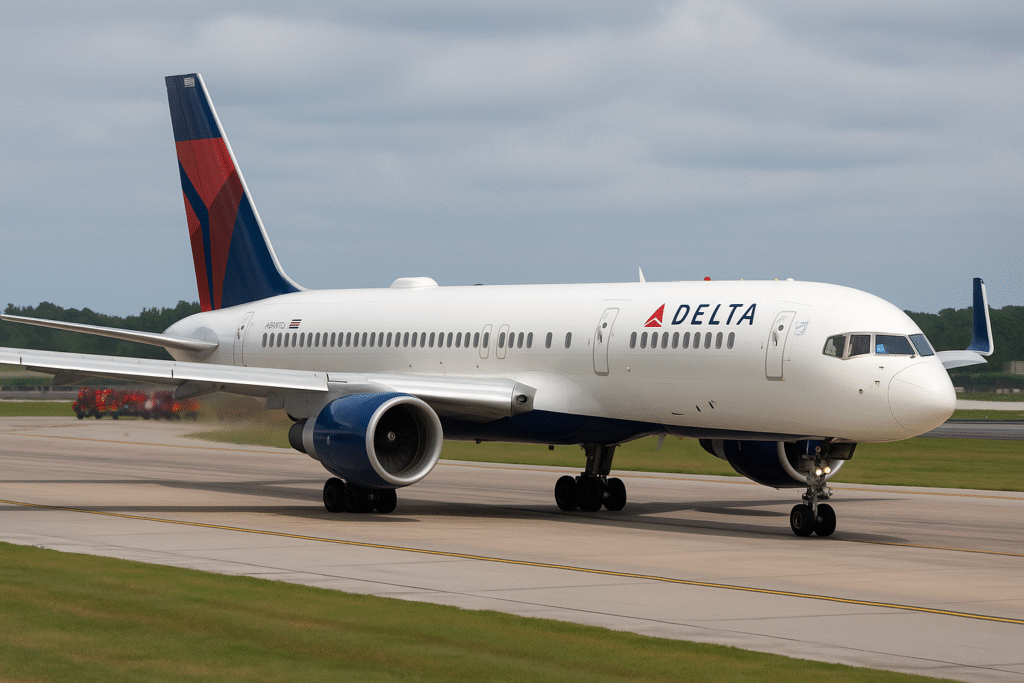
A routine domestic journey turned into a precautionary landing on October 19, 2025, when a flight operated by Delta Air Lines departing from Hartsfield‑Jackson Atlanta International Airport to Los Angeles International Airport detected a smoky odor inside the cabin shortly after take-off. The aircraft, carrying 219 passengers, was turned around and safely returned to Atlanta as crews followed established safety protocols. All travellers de-planed without incident.
Cabin Alarm Prompts Swift Precaution
Within minutes of departure aboard Flight 898, a Boeing 757, cabin crew and pilots noticed the faint smell of smoke in several zones of the passenger cabin. Although no visible smoke was detected, the unusual odor triggered the captain’s decision to request an immediate return. Passengers reported the smell but remained calm as attendants reassured them that the situation was under control. On landing, emergency services were briefed and maintenance staff awaited to inspect the aircraft.
Safe Landing, No Injuries Reported
Upon arrival back at Atlanta, all 219 passengers, plus two pilots and five flight-attendants, disembarked safely. No injuries or health complaints surfaced. The airline, emphasising that passenger safety is its “highest priority”, issued a statement explaining the precautionary protocol. A later departure to Los Angeles was scheduled after the aircraft had been evaluated.
Investigation Underway: Cause Still Unknown
After the safe return, Delta’s maintenance teams initiated a detailed technical inspection. The focus turned to the ventilation and auxiliary power systems, since smoky or chemical-odour incidents often stem from electrical or air-conditioning anomalies. The Federal Aviation Administration (FAA) was notified, and the occurrence will be logged under its safety-event reporting system. While such diversions are rare, the aviation industry treats any anomaly with utmost seriousness.
The Bigger Picture: Airline Safety Culture
This event underscores the rigorous safety culture among US carriers and regulators. Airlines like Delta operate under strict maintenance schedules and crew training regimes designed to manage emergencies—even those as subtle as a faint cabin smell. Cabin-air quality is regulated and continuously monitored. According to investigations, unusual odours may indicate malfunctions in engine seals, auxiliary units or bleed-air systems.
Travel & Tourism Implications
From a travel-and-tourism perspective, the incident reminds travellers how vital air-connectivity is, especially between major hubs like Atlanta and Los Angeles. Delays may occur, but the quick response by airline and airport teams helps maintain confidence in air travel reliability. For tourism operators and travellers alike, the episode reinforces that even unscheduled stops are handled professionally—and safely—in the US aviation market.
Passenger Support and Aftercare
While the diversion disrupted travel plans, Delta provided accommodations, alternative bookings and refreshment assistance to affected passengers. Crew communications and reassurances helped maintain order and minimise passenger stress. Post-flight, customer-service teams will follow up with travellers to ensure any concerns are addressed and to strengthen service goodwill.
What Travellers Should Know
- The smell of smoke or fumes mid-flight is treated seriously and can trigger immediate aircraft return.
- Crews and airports are trained to handle such events promptly; passengers are prioritised.
- Such precautionary landings rarely indicate major fault, but rather that safety systems are functioning as intended.
- While delays are inconvenient, they ultimately support air-travel reliability and safety standards.
Final Word
A Delta Airlines flight from Atlanta to Los Angeles turned back soon after take-off due to a smoky odor in the cabin, yet landed safely with all 219 passengers unharmed. The quick decision by the crew and the coordination with the airport and maintenance teams highlight how well-prepared commercial aviation is in recognising and managing unexpected in-flight irregularities. As investigations continue, travellers can take comfort in knowing their well-being comes first—and that robust safety mechanisms operate behind the scenes of every flight.
For more travel news like this, keep reading Global Travel Wire