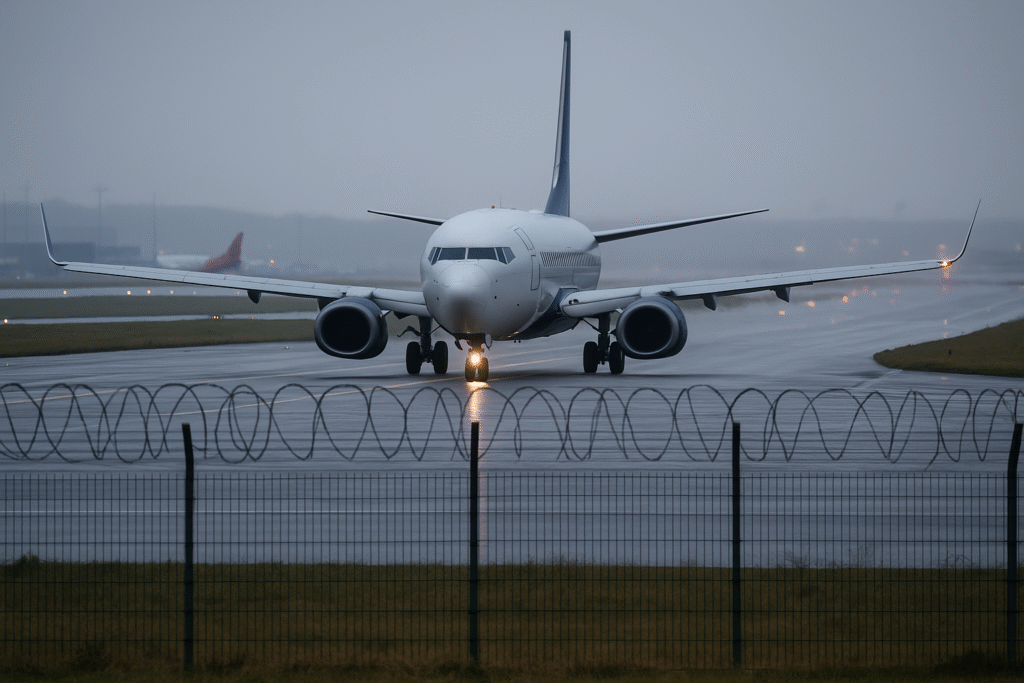
Vilnius Čiurlionis International Airport faced severe travel chaos last night after authorities shut down the airport due to security threats involving smuggling balloons. The sudden closure left passengers stranded, flights rerouted, and travel plans in disarray. This incident sent shockwaves through Lithuania’s travel network, creating a ripple effect that reached neighboring airports and international carriers.
Authorities confirmed that several unmanned weather balloons entered Lithuanian airspace from Belarus, carrying smuggled goods believed to include contraband cigarettes. The intrusion forced officials to close Vilnius Airport temporarily and suspend all operations to protect passengers and air traffic.
Immediate Impact on Flights and Passengers
The shutdown created a chain reaction across multiple European flight routes. Flights from Tenerife, Madeira, and other key destinations were redirected to Kaunas International Airport, nearly 100 kilometers from Vilnius. The diversions stranded hundreds of travelers who expected late-night arrivals.
Passengers faced long waits, missed connections, and limited communication from airlines. Some travelers had to arrange ground transfers from Kaunas to Vilnius on their own, adding to the frustration and cost. The disruption also hit outbound flights, as departing passengers were unable to board scheduled services.
The lack of clear information made the experience even harder for international visitors. Tourists arriving for business or leisure trips were met with confusion and uncertainty as they scrambled to rebook hotels and connecting flights.
Why Lithuania’s Airspace Was Closed
Officials acted quickly when the smuggling balloons entered restricted airspace near Vilnius. Lithuanian border control teams and aviation authorities coordinated with security agencies to identify and track the airborne contraband. The temporary airport shutdown allowed investigators to secure the area and ensure no danger to passengers or infrastructure.
The origin of the balloons appears to be Belarus, where smugglers have used similar methods in the past to transport illegal goods. This latest breach highlights the need for stronger border surveillance and updated air defense systems in the region.
Tourism and Travel Disruptions Across Lithuania
Lithuania’s tourism industry faces immediate challenges following the Vilnius Airport shutdown. The capital city, known for its medieval architecture and UNESCO-listed Old Town, relies heavily on smooth international air connectivity.
With flights diverted or canceled, tourism operators in Vilnius reported booking cancellations and late arrivals. Hotels near the airport saw an influx of stranded travelers, while tour companies scrambled to rearrange schedules.
Kaunas International Airport, Lithuania’s second-largest air hub, struggled to handle the sudden increase in traffic. Staff worked overnight to accommodate diverted flights and assist displaced passengers. Bus and taxi services between Kaunas and Vilnius were overwhelmed as travelers tried to reach their destinations.
What Travelers Should Know
If you plan to travel to or from Lithuania in the coming days, preparation is key. Follow these steps to minimize disruption:
1. Check flight updates often. Airlines are adjusting schedules daily as Vilnius Airport resumes normal operations. Monitor your airline’s website or mobile app for the latest information.
2. Allow extra travel time. Even as operations stabilize, expect longer security checks and occasional diversions to Kaunas or Palanga airports.
3. Plan alternative routes. Consider flying into nearby Baltic hubs like Riga or Tallinn if your travel is urgent. Ground transport links between these cities and Vilnius remain reliable.
4. Stay in touch with your airline. Contact customer service immediately if your flight is canceled or rerouted. Most airlines are offering free rebooking for affected passengers.
5. Keep travel documents accessible. If you are rerouted through another airport, easy access to passports and booking details will speed up recheck-in and customs procedures.
Economic and Tourism Implications
Lithuania has been working hard to strengthen its tourism image in Europe. Over the past year, Vilnius welcomed record visitor numbers, driven by cultural festivals, eco-tourism initiatives, and growing airline connections.
This incident could slow that momentum. Business travelers and tourists may hesitate to book trips until the airport’s stability is guaranteed. The Ministry of Transport and the Lithuanian Tourism Board have already begun public communications to reassure travelers of safety and reliability.
Industry experts estimate that even a short-term closure can cause significant financial losses. Hotels, car rental companies, and restaurants near the airport depend heavily on daily international traffic. A week of disruption could cost Lithuania’s tourism economy millions in lost revenue.
Government and Security Response
In the wake of the incident, Lithuanian authorities launched an immediate investigation. The Lithuanian Border Guard and Civil Aviation Authority are coordinating with NATO air patrols to strengthen border monitoring. Officials are evaluating whether radar systems and early-warning procedures need upgrades to detect small unmanned devices.
The government also plans to discuss the issue with the European Union and regional partners to establish stronger collective measures against airspace intrusions. Increased surveillance and communication between air traffic centers are expected to prevent future disruptions.
Officials have assured the public that the threat is contained and normal airport operations are resuming in stages. However, they emphasized that security remains the top priority, and travelers should expect continued checks over the next few days.
Rebuilding Confidence in Lithuanian Tourism
For Vilnius to maintain its reputation as a reliable gateway, swift recovery efforts are essential. Airlines are working closely with airport authorities to restore full schedules. Tourism boards are promoting Lithuania’s attractions to keep international interest strong despite the temporary setback.
The nation’s quick and transparent handling of the crisis has drawn praise from aviation experts, who see it as proof of Lithuania’s readiness to respond to security challenges. Restoring traveler confidence will take time, but effective communication and improved air safety measures will help rebuild trust.
Conclusion: Resilience Amid Disruption
The Vilnius Airport disruption highlights how unpredictable security incidents can impact tourism and travel. While the smuggling balloon event caused delays and diversions, Lithuania’s swift action prevented further risks and underscored its commitment to passenger safety.
Travelers planning trips to Lithuania should remain flexible and informed. The country’s tourism and aviation sectors are already adapting to prevent future incidents. With enhanced security and coordination, Vilnius will continue to welcome visitors as one of Europe’s most dynamic and historically rich destinations.
For more travel news like this, keep reading Global Travel Wire