In October 2025, the city of Soria in Spain will become the global focal point for stargazers and sustainable tourism advocates. From October 22 to 24, Soria will host the VIII Encuentro Anual Starlight de Astroturismo (8th Annual Starlight Meeting on Astrotourism), bringing together scientists, tourism professionals, policymakers, community leaders, and enthusiasts who believe in the transformative power of dark skies and celestial travel.
Organized by the Starlight Foundation, in partnership with Astroeduca and the Soria Tourism Department, the conference aims to spotlight how astrotourism is carving out a new niche in sustainable travel. Through a mix of keynote talks, technical workshops, panel discussions, and field stargazing sessions, delegates will explore how to build tourism models that respect the environment, uplift rural economies, and promote dark sky conservation.
Astrotourism: A New Sunrise in Tourism
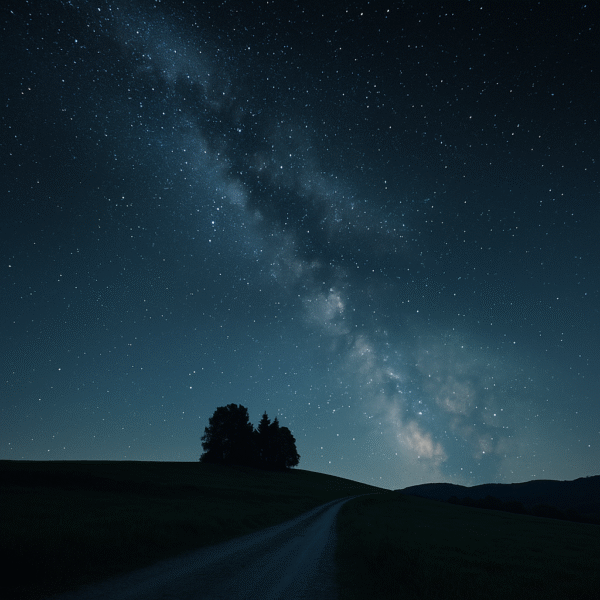
Astrotourism invites visitors to reconnect with the night sky in places where light pollution is minimal and celestial wonders are clearly visible. Rather than relying on daytime attractions, stargazing tourism emphasizes immersion in nature after dark, combining education, conservation, and wonder. In an age where urban areas suffer from increasing light pollution, astrotourism offers a refuge—turning remote destinations into prized escapes for those seeking cosmic experiences.
Today, more travelers are seeking meaningful, low-impact journeys. The rise of astrotourism responds to that desire, blending scientific curiosity, spiritual reflection, and natural beauty.
What to Expect at the Soria Conference
The 2025 conference will center around several key themes:
- Dark skies and economic opportunity: Experts will argue that preserving pristine night environments not only protects biodiversity but can stimulate local economies via sustainable tourism, job creation, and community engagement.
- Skills & education development: Workshops will offer hands-on training in telescope operation, star mapping, narration techniques, and certification for guides and astro-tourism professionals.
- Technology meets stargazing: Delegates will examine how apps, augmented reality, and digital platforms can help travelers identify constellations, locate dark sky reserves, and plan astrotourism itineraries.
- Sustainable development integration: Panels will discuss installing shielded lighting, minimizing energy consumption, and coordinating infrastructure that respects local ecosystems while enhancing visitor experiences.
- Inclusivity and community participation: Emphasis will be placed on engaging rural communities, ensuring that they benefit from tourism gains and helping them preserve nocturnal landscapes and culture.
Participants will also enjoy “star parties” in surrounding countryside locations, with telescopes, guided narration, and celestial photography. Evening sessions will showcase constellations, planets, and nebulae, using Soria’s natural advantages in altitude and minimal light interference.
Why Soria Was Chosen
Soria, located in north-central Spain, is ideal for hosting such a conference. It lies within a region that is pushing toward Starlight certification—a recognition given to light-friendly territories with excellent night sky quality. The region already includes dark sky parks and reserves that attract amateur astronomers, astrophotographers, and nature lovers. The local authorities have committed to upgrading infrastructure, reducing unnecessary lighting, and promoting Soria as a stargazing destination.
Moreover, the geographic and climatic features—elevation, clear winter and autumn nights, and low humidity—make Soria well suited for celestial observations. The conference is expected to catalyze further development of observatories, astro-tourism labs, and stargazing lodging in the region.
Benefits for Local Communities and Regions
Astrotourism holds particular promise for rural and remote areas that may lack conventional tourism draws. By becoming part of stargazing networks, these places can diversify income, attract off-season travelers, and stimulate services such as guided tours, lodging, local gastronomy, transport, and cultural programming around astronomy.
For Soria and neighboring provinces, the conference offers a showcase. Local guides, artisans, hospitality providers, and land owners can learn how to package experiences—from night sky treks to astro-photography excursions—and integrate astronomy with local heritage, folklore, and landscapes.
The conference also raises awareness among municipalities, encouraging them to adopt light pollution policies, amend lighting codes, and protect nocturnal ecosystems. This can lead to broader regional improvements that support wildlife, preserve dark corridors, and make lifespan improvements in habitat and human health.
Challenges & Future Directions
Though promising, astrotourism has obstacles that Soria and other destinations must navigate. Ensuring consistent quality of star visibility, maintaining infrastructure in remote areas, and educating stakeholders about dark sky best practices are ongoing efforts. Monetary investment, appropriate zoning, and local capacity building are critical.
Moreover, attracting visitors outside of peak meteor showers or celestial events requires creative itinerary design. Blending cultural heritage, gastronomy, wellness, and nature with night sky experiences is one approach. Establishing astronomy festivals, photography camps, mobile planetariums, and interpretive centers also helps anchor astrotourism beyond single events.
To remain competitive, destinations must continuously innovate—enhancing visitor engagement, leveraging interactive technologies, creating thematic routes (e.g., moonlit treks, cosmic storytelling trails), and forging international partnerships.
A Beacon for Sustainable Tourism
By hosting the 8th Annual Starlight Astrotourism Conference, Soria positions itself at the forefront of a global movement that harmonizes scientific wonder, sustainable development, and travel. The event offers a platform to map the future of stargazing tourism—a sector that invites travelers to slow down, look up, and reconnect.
If successful, the conference will amplify Soria’s brand, seed new regional investments, and spur more destinations to join the dark sky network. Across Spain and beyond, communities may emerge as prime astro-travel hubs. In an era when sustainable, experience-driven travel is increasingly valued, Soria 2025 could chart the blueprint for how to integrate the cosmos into tourism with responsibility, imagination, and enduring impact.
For more travel news like this, keep reading Global Travel Wire