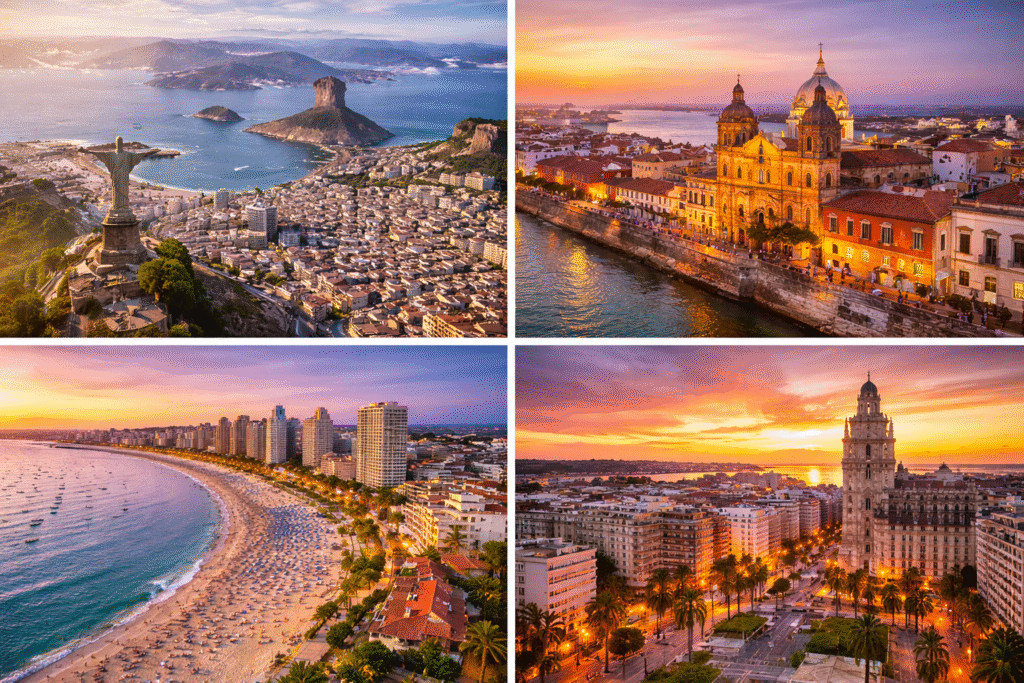
Tourism across South America is entering a powerful growth phase. In 2026, Rio de Janeiro, Cartagena de Indias, Punta del Este, and Montevideo expect record visitor numbers. These destinations now attract travelers seeking culture, beaches, luxury, and vibrant city life.
International travel demand continues to rise. Improved air connectivity and strong global interest fuel this momentum. Tourism authorities across the region predict strong economic gains and job creation.
Rio de Janeiro Leads Brazil’s Tourism Surge
Rio de Janeiro stands at the center of Brazil’s tourism revival. The city expects one of its busiest years ever in 2026. Travelers continue to flock to its beaches, landmarks, and festive spirit.
Carnival remains the strongest draw. Millions plan trips around this iconic celebration. Beyond Carnival, Rio offers year-round appeal through music events, exhibitions, and international conferences.
Airlines have added routes linking Rio with Europe and North America. Easier access has boosted booking demand. Hotels report high occupancy forecasts across all seasons.
Luxury tourism has also gained momentum. High-end resorts, beachfront hotels, and curated experiences attract premium travelers. Rio now balances mass tourism with upscale offerings.
Cartagena de Indias Strengthens Its Global Appeal
Cartagena de Indias continues its rise as a leading cultural destination. The city blends Caribbean charm with colonial heritage. In 2026, Cartagena expects record arrivals from North America and Europe.
The historic old town anchors Cartagena’s tourism appeal. Visitors explore cobbled streets, historic walls, and colorful architecture. Cultural festivals add year-round energy to the city.
Luxury travel plays a growing role. Boutique hotels and upscale resorts offer refined stays within historic settings. This combination attracts travelers seeking comfort and culture.
Beach tourism also supports growth. Nearby islands and coastal areas provide relaxation and water activities. Cartagena now offers a balanced mix of history, leisure, and nightlife.
Punta del Este Continues Its Luxury Dominance
Punta del Este remains South America’s luxury resort capital. The city attracts affluent travelers seeking exclusivity and style. In 2026, tourism spending is expected to reach new highs.
Beachfront resorts and private residences define the destination. High-profile events and nightlife keep demand strong throughout the summer season. Visitors from Argentina and Brazil dominate arrivals, with growing interest from Europe.
Hotel occupancy rates remain consistently high. Fine dining, designer shopping, and marina tourism drive economic growth. Punta del Este continues to position itself as a premium global resort.
Real estate investments also reflect tourism confidence. New developments support long-term growth and visitor demand.
Montevideo Gains Momentum as a Cultural City
Montevideo has emerged as a vibrant urban destination. The capital of Uruguay blends history, culture, and coastal relaxation. In 2026, visitor numbers are set to climb steadily.
Cultural festivals anchor Montevideo’s appeal. Carnival celebrations showcase local traditions and music. Film and arts festivals draw international audiences.
The city’s culinary scene continues to evolve. Restaurants highlight Uruguayan flavors and modern dining concepts. Food tourism now plays a central role in visitor experiences.
Montevideo’s coastal promenade attracts travelers seeking relaxed city breaks. Beaches and public spaces support slow tourism and leisure travel.
Strong Connectivity Drives Regional Growth
Improved air links play a critical role in this tourism surge. Airlines have expanded routes across South America and beyond. Travelers now reach these cities with greater ease.
Governments have invested in airport upgrades and tourism infrastructure. These efforts support rising demand and improve visitor experiences.
Cruise tourism also contributes to growth, especially in coastal cities. Ports welcome increasing numbers of international cruise passengers.
Events and Experiences Shape Travel Demand
Major events drive travel decisions in 2026. Festivals, concerts, and conferences attract diverse audiences. Cities now promote event calendars alongside traditional attractions.
Travelers seek immersive experiences rather than short visits. Longer stays benefit local economies and businesses. Hospitality sectors continue to expand services and offerings.
Luxury and experiential travel trends shape tourism strategies. Personalized tours, wellness retreats, and cultural programs gain popularity.
Economic Impact Spreads Across Communities
Tourism growth brings strong economic benefits. Hotels, restaurants, and transport services see rising demand. Employment opportunities expand across hospitality and retail sectors.
Local businesses benefit from higher visitor spending. Artisans, guides, and cultural venues gain visibility. Tourism revenue supports urban development and preservation projects.
Governments view tourism as a key economic driver. Strategic planning focuses on sustainability and long-term growth.
South America Strengthens Its Global Tourism Image
These four cities reflect South America’s growing global appeal. Each destination offers a distinct identity while sharing strong hospitality standards.
Travelers now view the region as diverse and accessible. Culture, luxury, and nature combine to create compelling travel experiences.
Conclusion
Rio de Janeiro, Cartagena de Indias, Punta del Este, and Montevideo stand ready for a historic tourism year in 2026. Strong connectivity, vibrant events, and premium experiences drive record demand.
This growth signals confidence in South America’s tourism future. As visitors return in greater numbers, these cities will shape the region’s global travel narrative.
For more travel news like this, keep reading Global Travel Wire