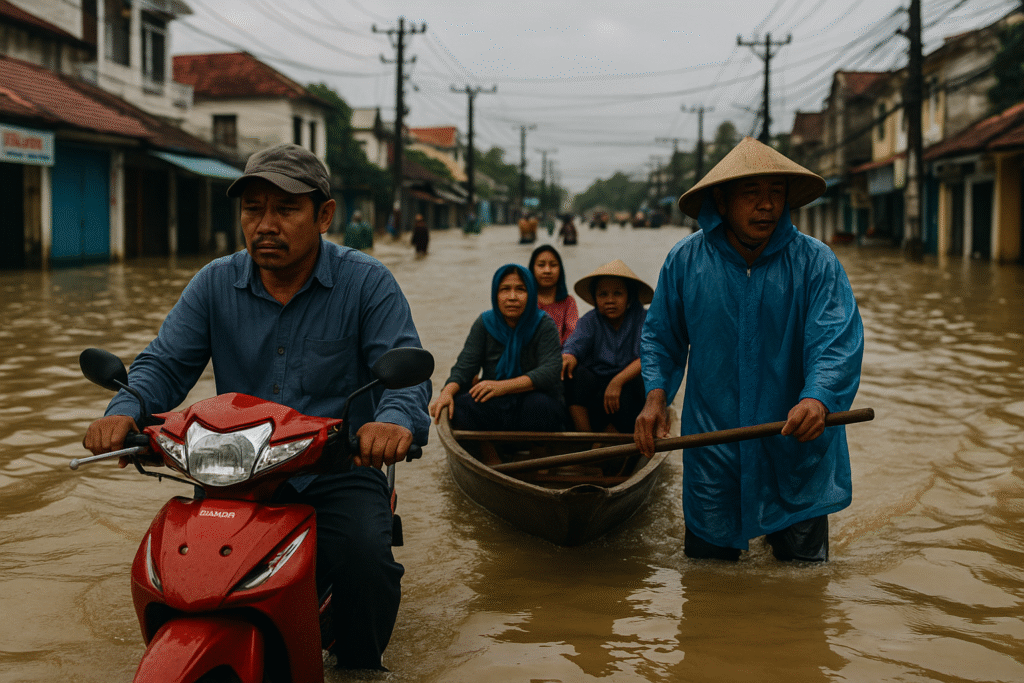
Southeast Asia is facing an unprecedented wave of storms, floods, and climate-driven disasters. Indonesia, Sri Lanka, Thailand, and neighbouring nations are dealing with rising water levels, destroyed homes, and widespread travel disruption. More than 1,400 people have lost their lives in events tied to relentless rain and powerful storm systems. Entire communities have been uprooted, with many residents unable to return to areas that no longer exist in their previous form.
These back-to-back disasters reveal a troubling climate future for one of the world’s most visited regions. Tourism, a major economic driver in Southeast Asia, is now confronting large-scale infrastructure damage and unpredictable weather that threatens long-term growth.
A Year Marked by Record-Breaking Floods
Recent months have brought some of the worst flooding Southeast Asia has seen in decades. Indonesia witnessed entire villages cut off by washed-out bridges and blocked roads. Emergency teams struggled to reach families trapped without food, power, or medical supplies.
Sri Lanka also saw massive floods that affected over a million people. Many households lacked clean drinking water for days. In Thailand, rising water strained drainage systems and slowed transport routes. Several regions faced delays in emergency response, raising concerns about preparedness. Malaysia reported thousands displaced as rivers overflowed and urban areas flooded within hours.
This cluster of disasters signals a clear trend. The region is warming faster than the global average. As temperatures rise, storms strengthen, and rainfall becomes more intense. Travel routes, cultural sites, and tourism hotspots now face seasonal disruptions that last longer than before.
Climate Change Drives Stronger and Later Storms
Climate experts warn that the storms hitting Southeast Asia today are only a preview of what lies ahead. Warm oceans feed energy into cyclones and typhoons, increasing rainfall, wind speed, and storm duration. Shifting atmospheric patterns push storms later into the year, stacking multiple systems back-to-back.
For tourism-dependent countries, this shift poses major risks. Popular beach destinations, national parks, and mountain regions face higher chances of landslides, flash floods, and coastal erosion. Visitors may see more travel advisories and seasonal closures as extreme weather becomes the norm.
Governments Struggle to Prepare for Rapid Climate Shifts
Many governments across the region are still adapting to the new rhythm of extreme weather. Disaster response teams often work with limited resources. Early-warning systems and evacuation plans exist, but heavy rain sometimes arrives faster than authorities can react.
In Sri Lanka, rural communities living on steep slopes face the greatest danger. These areas already struggle with poverty and weak infrastructure. When floods strike, homes collapse, roads vanish, and families lose access to schools and hospitals.
Tourism operators also face growing uncertainty. Resorts near rivers or coastlines must rebuild more often. Local businesses lose income when weather events shut down transport links or damage popular attractions. Insurance costs are rising, and some areas may soon require risk-based tourism planning.
Deforestation and Rapid Development Make Floods Worse
Human activity has amplified the damage. Parts of Indonesia continue to suffer from illegal logging and rapid land clearing. When forests disappear, the soil loses its ability to absorb heavy rain. Floodwaters then rise faster and carry debris that damages bridges, homes, and farms.
Urban development in flood-prone zones adds another layer of risk. Coastal cities in Thailand, Vietnam, and Malaysia have expanded quickly. Many drainage systems were not designed for today’s extreme rainfall levels. Tourism hubs built near riverbanks or reclaimed land now experience repeated flooding.
Countries across the region are now evaluating how to balance economic growth with environmental protection. Reforestation, river restoration, and better zoning laws are becoming urgent priorities.
Heavy Economic Losses Challenge Regional Recovery
Floods and storms have cost Southeast Asian economies billions of dollars. Damage to farmland, roadways, and tourism sites slows down recovery each year. Vietnam recorded billions in estimated losses within months, while Thailand experienced major agricultural damage during its rainy season.
Tourism cannot escape the impact. Flight cancellations, damaged resorts, and closed attractions reduce visitor numbers. Local workers who rely on tourism face job insecurity each time a storm shuts down business for weeks.
Climate adaptation funding remains limited for many developing countries in the region. Global agreements promise support, but the flow of resources remains slow. This leaves countries struggling to rebuild while preparing for stronger future storms.
A Critical Turning Point for Southeast Asia’s Climate Future
The floods of this year serve as a clear reminder: Southeast Asia sits on the frontline of the climate crisis. While many governments are expanding renewable energy and reviewing disaster-management strategies, the pace of change must accelerate.
Tourism authorities are also updating safety standards, improving emergency protocols for hotels, and promoting greener travel practices. Visitors may soon see more eco-friendly tourism models, elevated walkways, flood-resistant buildings, and climate-focused travel guidelines.
Experts emphasize that decisive action today will shape how the region withstands future disasters. Strengthening infrastructure, protecting forests, and supporting vulnerable communities are essential steps.
Looking Ahead
Southeast Asia’s beauty, culture, and biodiversity remain unmatched. Yet the climate crisis threatens the very landscapes that draw millions of tourists each year. Stronger storms, rising seas, and unpredictable weather demand a united response.
If governments, industries, and travellers work together, the region can build a safer and more resilient future. Climate action is no longer a choice—it is a necessity for Southeast Asia’s survival, stability, and continued tourism growth.
For more travel news like this, keep reading Global Travel Wire