Spain remains one of the most popular destinations for UK tourists, drawing millions each year to its beaches, historic cities, and cultural sites. In 2025, however, British travellers will need to prepare for a range of new rules that will affect how they plan and enjoy their trips. These reforms are part of Spain’s strategy to improve security, manage the impact of mass tourism, and protect local communities.
Biometric Entry System Arrives in 2025
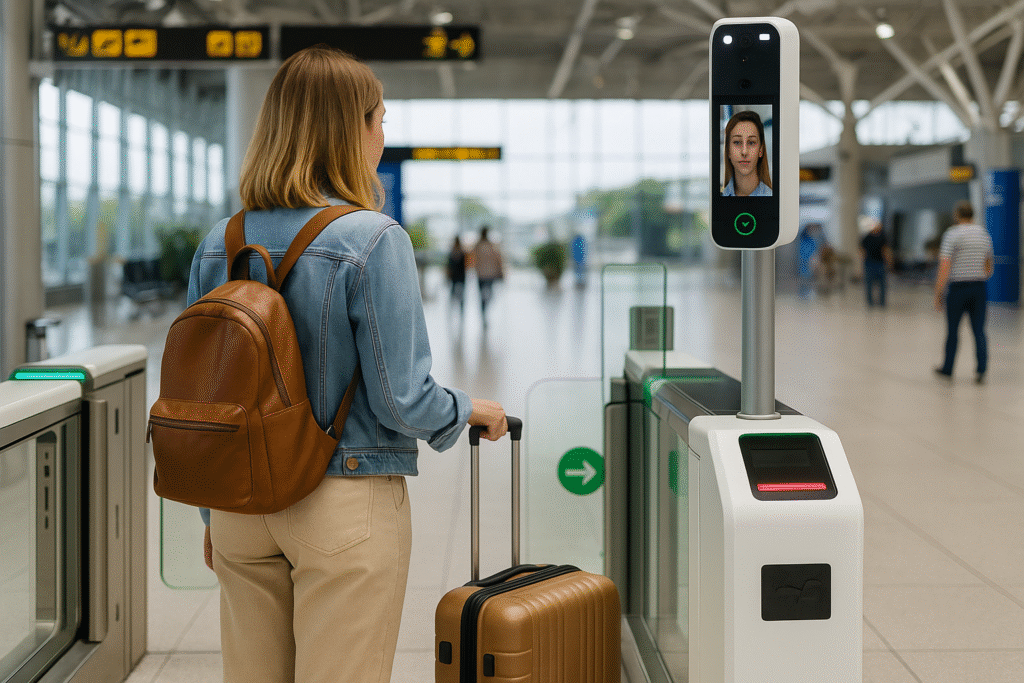
On 12 October 2025, Spain will join other EU nations in launching the Entry/Exit System. This programme replaces traditional passport stamping with biometric registration. Travelers entering Spain from the UK will need to provide fingerprints and facial scans at electronic kiosks during their first entry. Children under 12 will not need to give fingerprints, though their information will still be recorded.
The biometric system will cut waiting times, enhance border security, and reduce manual checks. Authorities expect fewer queues at airports, ferry terminals, and train stations. This change also supports better enforcement of stay limits and immigration rules across the EU.
ETIAS Authorisation Becomes Mandatory
From late 2026, UK citizens will need an ETIAS (European Travel Information and Authorisation System) before boarding flights or ferries to Spain. The application is simple, completed online, and costs €20. It remains valid for three years, allowing multiple entries during that period. Applicants will need to share personal details, travel plans, and answer security-related questions.
An important exemption applies for pensioners aged 70 and above, who will not pay the fee. Families and budget travellers should plan for this added cost, which mirrors systems already used in destinations like the United States.
Tourist Taxes Rise in Popular Areas
Spain’s most visited regions, including Barcelona, Mallorca, and Ibiza, will see higher tourist taxes from 2025. Local governments introduced these increases to fund public services, improve infrastructure, and protect cultural heritage. Visitors should budget for these extra charges, which vary depending on location and accommodation type.
Hotels, hostels, and private rentals in Barcelona will apply higher nightly taxes, while the Balearic Islands will impose seasonal rates. These measures aim to balance the economic benefits of tourism with the social and environmental costs faced by local communities.
Stricter Rules on Short-Term Rentals
Housing shortages and rising rents in Spanish cities have pushed officials to impose tighter restrictions on private holiday rentals. Cities like Barcelona and Málaga are now limiting licences for short-term lets and refusing to renew permits in high-demand areas.
Travellers planning to stay in apartments or holiday homes should ensure their booking comes from licensed providers. These rentals must meet new safety standards and report guest details to local authorities. The goal is to preserve housing availability for residents while still supporting tourism.
Mandatory Data Collection for Visitors
Spain is also introducing wider data collection rules for hotels, private rentals, and car hire companies. From 2025, providers must send details of all guests, including names, nationalities, passport numbers, and dates of stay, to the Ministry of the Interior within 24 hours of check-in.
The policy strengthens national security by tracking visitor flows. While tourists may not notice much difference at check-in, they should expect to provide identification more frequently. Authorities confirm that personal data will remain secure but could be accessed if required for law enforcement.
Impact on UK Tourists
The reforms highlight Spain’s effort to balance visitor demand with community wellbeing. Biometric entry will improve efficiency but requires tourists to adapt to new procedures. ETIAS authorisation adds a layer of travel planning, while rising taxes increase the cost of popular trips. Stricter rental rules mean fewer low-cost options in urban centres, and the new data rules emphasise Spain’s focus on safety.
UK visitors should prepare for these changes before travelling. Budgeting for higher costs, applying for ETIAS in advance, and choosing licensed accommodation will help ensure a smooth experience. Spain remains committed to welcoming millions of British travellers each year, but the country’s policies now focus on sustainable tourism and long-term community protection.
Looking Ahead
Spain’s reforms are part of a broader European strategy to modernise travel and address the challenges of mass tourism. By combining tighter security with sustainability measures, Spain hopes to remain both a world-class destination and a better place for its residents. For UK tourists, the key lies in awareness and preparation. With careful planning, holidays in Spain will continue to offer unforgettable experiences, from sun-drenched beaches to vibrant cities and historic landmarks.
For more travel news like this, keep reading Global Travel Wire