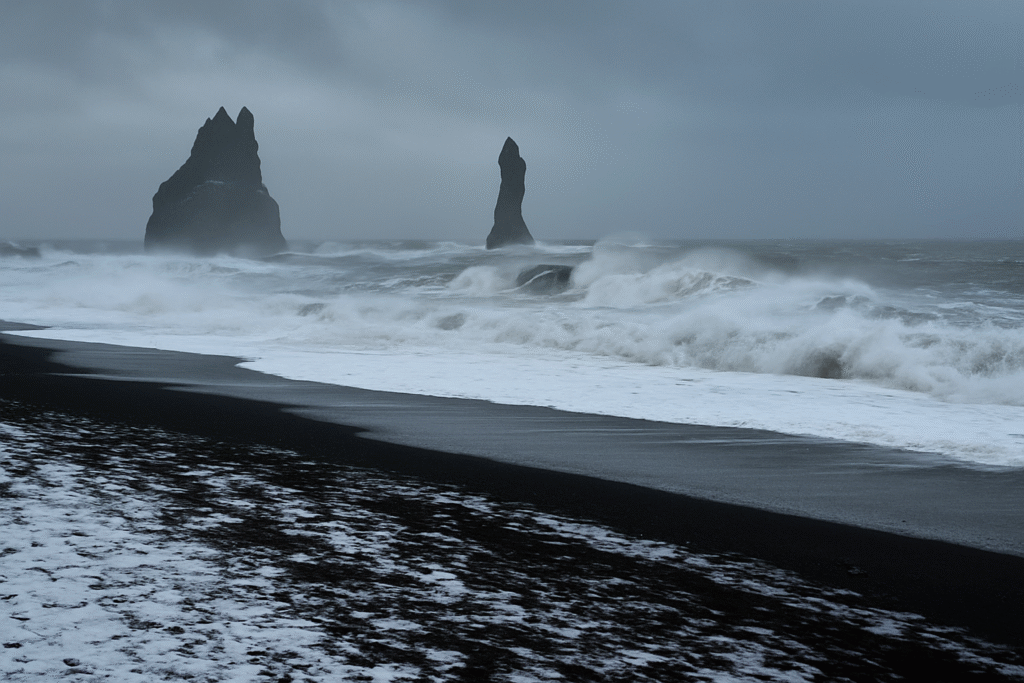
Iceland’s travel sector faces tough days ahead as gale-force winds and sleet sweep across the island. The latest weather warnings predict disruptions across popular destinations in the east and northeast. Tourists must prepare for rough conditions and make flexible travel plans.
Gale-Force Winds and Freezing Rain
Strong winds, rain, and sleet will impact travel across eastern and northern Iceland. Gusts are expected to reach up to 20 meters per second in some regions. These powerful winds, mixed with freezing rain, will make outdoor travel difficult. Visibility may drop quickly, and driving on coastal or mountain roads could become dangerous.
Western Iceland, including Reykjavik, will experience milder weather. However, conditions may still shift without warning. Tourists should monitor forecasts before heading out, even in regions with calmer weather.
Temperature Differences Across the Island
Temperatures will vary sharply between regions. The northeast will see freezing air near 0°C, while southern Iceland may reach 10°C. The contrast in temperature creates icy conditions in some places and slippery roads in others. Travellers venturing inland should prepare for snow and ice.
Areas Facing the Strongest Impact
The eastern fjords and northeast regions will face the most severe weather. Tourists planning to visit towns like Akureyri, Egilsstaðir, or Húsavík should expect gusty winds and possible road closures. The southeast coast, including Vík í Mýrdal and Jökulsárlón, will also be hit hard. These areas often attract photographers and hikers, but the stormy conditions could make sightseeing risky.
Road travel in these regions may slow down due to snow, sleet, or wind-blown debris. Mountain passes and coastal routes are likely to face the toughest challenges.
Transport and Flight Disruptions
The storm will affect both ground and air travel. Roads in the north and east may close temporarily, and drivers should avoid non-essential trips. Travellers using rental cars should confirm that their vehicles are fitted with winter tires.
Airports may experience delays or cancellations due to crosswinds. Those flying into or out of Iceland should check flight schedules before leaving for the airport.
Outdoor Activities and Safety
Iceland’s outdoor adventures, such as glacier hikes, mountain trails, and coastal tours, will be affected by the storm. Many guided tours may pause for safety reasons. Tourists are advised to avoid exploring without professional guidance.
Popular sites like the Golden Circle, Thingvellir National Park, and Gullfoss waterfall may stay accessible, but visitors should stay alert for slippery paths and reduced visibility. For those seeking safe indoor options, geothermal spas such as the Blue Lagoon or the Secret Lagoon provide relaxation during stormy days.
What to Pack for the Cold
Packing the right gear makes a big difference. Tourists should bring waterproof jackets, thermal layers, and sturdy boots. Gloves, scarves, and hats are essential, especially in northern and highland areas.
Windproof clothing is a must in open regions where gusts are strongest. The wind chill can make temperatures feel much lower, so extra insulation helps maintain comfort and safety.
Indoor Alternatives During the Storm
When the weather turns severe, Iceland offers many indoor experiences. The National Museum and Reykjavik Art Museum give visitors an insight into local history and art. Tourists can also enjoy coffee shops, bookshops, and small galleries scattered throughout Reykjavik.
For a cozy escape, hot springs and spas offer warmth and comfort while the storm rages outside. These experiences allow travellers to relax and enjoy Iceland’s culture without facing the harsh outdoors.
Safety Guidelines for Travellers
Safety is the top priority for anyone travelling in Iceland during stormy weather. Travellers should avoid driving in hazardous conditions and instead rely on public transport when possible. Those renting vehicles should select four-wheel drives equipped for icy roads.
Before setting out, tourists should check weather and road updates from local authorities. Delaying travel plans until the storm weakens can prevent serious problems. It is also wise to carry food, water, and emergency supplies during long drives.
Resilience in Iceland’s Tourism
Despite harsh conditions, Iceland’s tourism industry remains resilient. Local guides, hotels, and tour operators continue to adjust schedules and support visitors safely. The country’s tourism sector is well-prepared for severe weather, ensuring travellers can still enjoy a safe experience.
Final Advice for Visitors
The coming storm will test Iceland’s travel network. Gale-force winds, sleet, and rain will make outdoor exploration difficult across the island’s east and north. Tourists should remain flexible, prepare for sudden weather changes, and prioritize safety at every step.
For those willing to adapt, Iceland continues to offer breathtaking beauty. Its volcanoes, glaciers, and geothermal wonders still await — but they demand respect for nature’s power. Travellers who stay alert and plan carefully will find that even stormy Iceland delivers unforgettable moments.
For more travel news like this, keep reading Global Travel Wire