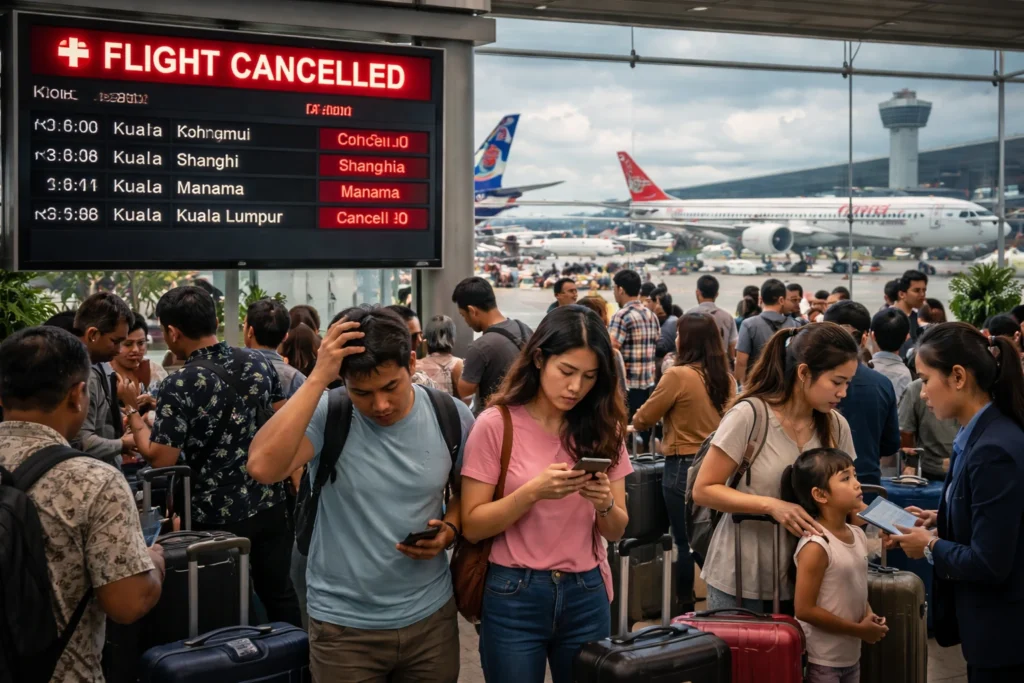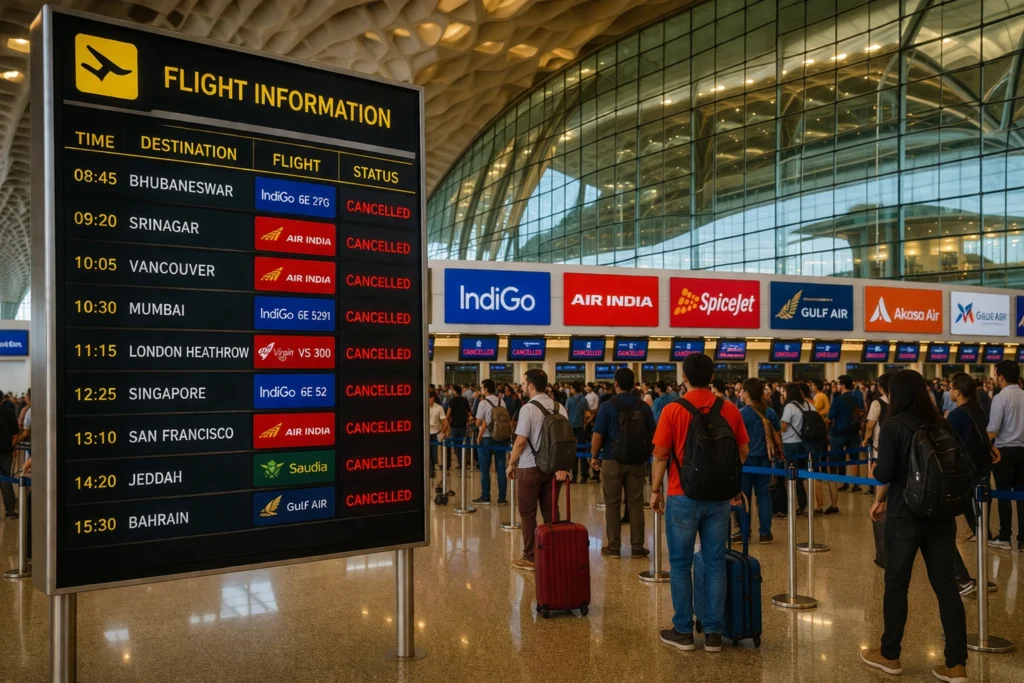
Super Typhoon Ragasa, one of the strongest storms to strike Asia in recent years, has battered the Philippines, Taiwan, Hong Kong, and southern China, leaving behind a trail of travel chaos. With wind speeds surpassing 220 km/h, the cyclone has caused widespread cancellations of flights, suspension of ferry services, and emergency lockdowns of critical transport hubs. This unprecedented disruption has forced thousands of tourists and business travelers to scramble for alternative arrangements, reshaping regional tourism and global flight schedules.
The storm originated as a tropical depression in mid-September and intensified rapidly into a super typhoon, reaching peak strength as it approached densely populated areas. As Ragasa made landfall, regional governments declared states of emergency, prioritizing evacuation orders and safety measures that, while necessary, brought the tourism sector to a grinding halt.
Global Aviation Takes a Severe Hit
Air travel has been the hardest hit, with international airports in Hong Kong, Manila, and Taipei either suspending or significantly reducing operations.
- Hong Kong International Airport, one of the world’s busiest hubs, was closed for more than 36 hours, resulting in approximately 700 canceled flights. Airlines such as Cathay Pacific alone canceled over 500 departures and arrivals, stranding thousands of passengers. The closure has had a ripple effect across global flight schedules, impacting travelers well beyond Asia.
- Mainland China’s Shenzhen Airport has also halted flights, while Guangdong Province has enacted strict emergency protocols, including the suspension of ferry services and precautionary evacuations.
- In Taiwan, flights to offshore islands like Penghu, Kinmen, and Matsu have been grounded, and more than 80 ferry routes canceled. The government stressed that these measures are precautionary steps to protect travelers from high seas and dangerous winds.
For international travelers, the storm has been particularly disruptive. Airlines are now offering flexible ticket policies, enabling passengers to rebook or reroute journeys without additional charges. However, the sheer scale of cancellations means that delays and travel backlogs could stretch over several days.
The Philippines: Disrupted Yet Resilient
The Philippines, often in the path of Pacific storms, has once again seen its northern regions hit hardest. Domestic flights to provinces like Cagayan, Ilocos Norte, and Batanes have been suspended, while major airports in Manila and Clark remain operational but face heavy delays. Inter-island ferry services, essential for connecting the archipelago’s islands, have also been suspended, stranding hundreds of passengers at ports.
Authorities have issued evacuation orders for vulnerable coastal communities, balancing public safety with the challenges of displaced travelers. Despite these setbacks, Philippine tourism officials remain committed to ensuring a swift recovery, emphasizing that the country’s main destinations outside the storm zone remain safe and open.
Ferry Services Halted Across Key Hubs
Maritime travel has faced equal disruption. Ferry terminals in Hong Kong, Taiwan, and southern China’s coastal provinces have suspended operations. With high waves and violent winds posing major risks, maritime safety agencies have warned travelers to avoid sea journeys until the storm passes.
In Hong Kong, ferry services connecting outlying islands and Macau have been suspended, while in Taiwan, every route linking the main island to offshore territories has been halted. In China’s Fujian and Guangdong provinces, local ferry lines have been shut down as Ragasa barrels inland.
For many tourists who rely on ferries to visit island destinations, these suspensions represent not just delays but missed opportunities to experience some of Asia’s most scenic attractions.
Tourism Industry Faces Economic Strain
The tourism sector across Asia has been severely affected. September traditionally marks a peak travel period for both leisure and business, with festivals and events scheduled across the region. The sudden closures of airports and ferry terminals have caused major financial losses to airlines, ferry operators, hotels, and tour agencies.
Hong Kong, which depends heavily on international arrivals, has reported mass cancellations of hotel bookings. In Taiwan, local businesses in coastal and island areas are bracing for heavy revenue losses due to suspended ferry links. Meanwhile, in the Philippines, resorts in northern Luzon have been forced to close temporarily, adding to the economic toll.
Recovery and Safety Measures
Authorities across the region have stressed the importance of safety above all else. Governments have deployed rescue teams, enforced building safety codes, and coordinated with airlines and ferry operators to assist stranded passengers.
- In China, disaster response units have been activated in Guangdong, Fujian, and neighboring provinces.
- Taiwan has bolstered emergency shelters for residents and travelers stranded by ferry suspensions.
- The Philippines continues to monitor weather conditions closely, with advisories urging caution for both land and sea travel.
Recovery of flight schedules and ferry operations is expected to take several days, and officials have urged travelers to remain flexible and patient.
What Travelers Need to Know
For travelers planning to visit or transit through affected regions, staying informed is critical. Authorities recommend using airline apps, official government advisories, and automated notifications for the latest updates. Flexible rebooking options are available, but securing new routes may take time due to high demand.
Tourists are also advised to monitor weather alerts and avoid non-essential travel until conditions stabilize. Those already in Asia’s storm-hit regions should remain in contact with hotels, tour operators, and airlines to adjust their itineraries safely.
Final Thoughts
Super Typhoon Ragasa has highlighted the vulnerability of Asia’s travel and tourism industries to extreme weather events. By simultaneously disrupting four of the region’s major hubs—Hong Kong, Taiwan, the Philippines, and southern China—the storm has created one of the most significant travel crises in recent years.
While the tourism industry is resilient and recovery efforts are already underway, the lessons of Ragasa emphasize the importance of disaster preparedness, regional cooperation, and traveler flexibility. For now, the focus remains on ensuring safety, restoring essential services, and helping passengers resume their journeys across Asia.
For more travel news like this, keep reading Global Travel Wire