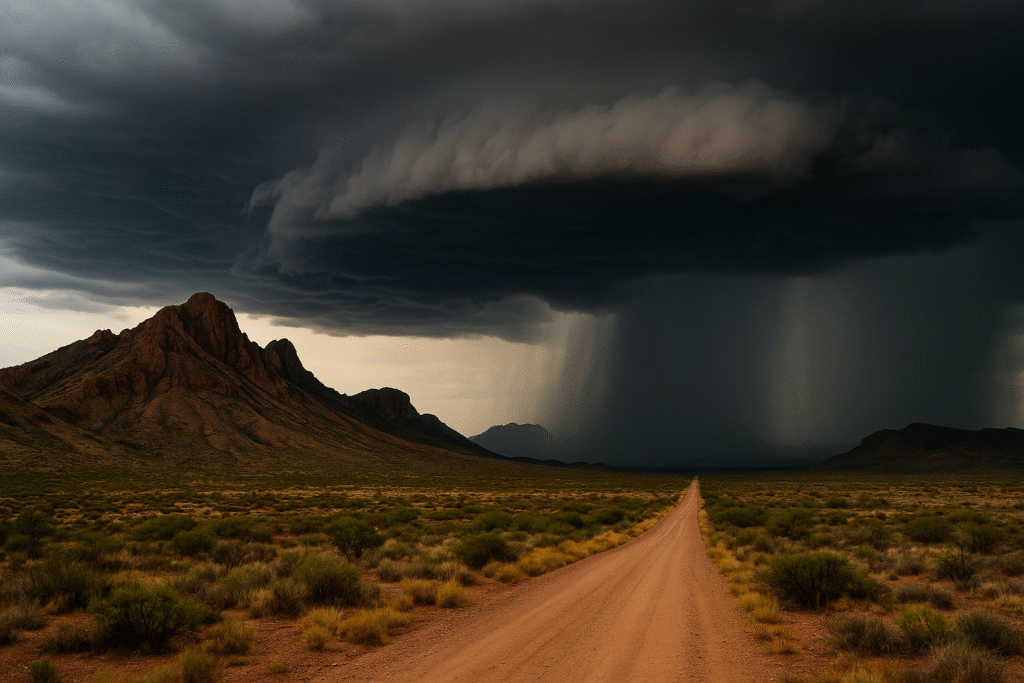
Tourists visiting the scenic Big Bend National Park area in western Texas are being urged to stay vigilant after a severe thunderstorm warning covered central Brewster County. The alert follows reports of a strong storm system over Persimmon Gap, about 23 miles north of Panther Junction, moving east at around 35 mph. Wind gusts reached up to 60 mph and hailstones as large as quarters have been reported.
This weather event poses serious risks to visitors, vehicles and infrastructure in the region.
Key Tourist Zones at Risk
Brewster County is renowned for its vast, dramatic landscapes and is home to Big Bend National Park — one of the largest and most remote national parks in the United States. It attracts hikers, stargazers and nature lovers.
In addition to the national park itself, the region includes small towns such as Marathon and Terlingua, and scenic routes like the Old Maverick Road, all of which may be impacted by severe weather. Tourists staying or travelling through these areas should monitor developing conditions and avoid unnecessary travel until the storm passes.
Weather Hazards: What to Expect
The storm currently poses several dangerous conditions:
- Wind gusts around 60 mph that can uproot trees, damage mobile structures and knock down electrical lines.
- Quarter-sized hail that may shatter windows, dent vehicles and injure people caught outside.
- Possible road blockages from fallen trees, debris or flooding, especially on less-maintained routes.
- Power outages and disruption of mobile networks for those staying in remote areas.
Given the remote nature of many parts of Big Bend region, tourists may have limited access to immediate assistance.
Safety Steps for Visitors in the Area
Tourists in Brewster County and the Big Bend region are strongly advised to follow these safety protocols:
- Seek shelter immediately: If caught outside, move quickly into a sturdy building, away from windows and doors. Avoid open fields and parking lots.
- Avoid driving during the storm: High winds and hail make driving hazardous. If you must stop, choose a safe area away from trees or structures that might collapse.
- Stay informed: Use a reliable weather app or radio and follow updates from local weather services. Keep mobile devices charged and accessible.
- Prepare for disruptions: Have a flashlight, bottled water, snacks and other emergency supplies ready. Power might flicker or go out altogether.
- Postpone outdoor plans: Do not attempt hiking, sightseeing or travel until official alerts have cleared. Many trails and back-roads in the park are remote and unmonitored.
Why This Region Requires Extra Caution
Big Bend’s environment is striking but rugged. Elevations range dramatically — from around 1,800 feet near the Rio Grande to over 7,800 feet at Emory Peak. Weather can shift fast in such terrain.
During the summer months, the region is prone to thunderstorms and flash flooding, particularly in narrow canyons and dry washes. Visitors are already advised to carry one gallon of water per person per day, wear protective clothing and avoid hiking in midday heat. Even outside the summer, strong wind and hail storms such as this can surprise unprepared travellers.
Given the park’s remote roads and limited cellular coverage in some zones, following alerts and staying within designated visitor-areas is crucial.
Tips for Staying Safe During Your Trip
- Always tell someone your travel plans and expected return time before heading into remote trails or roads.
- Monitor road conditions and park alerts. Some dirt roads require high-clearance or four-wheel-drive vehicles, and may close with severe weather.
- If staying in a park lodge or campground, check in with ranger stations for latest hazard advisories.
- Post-storm, inspect your vehicle and surroundings carefully: hail damage or tree debris may make driving unsafe.
- Once the weather event ends, wait for a clear all-clear message before resuming exploration.
Final Word for Tourists
The Big Bend region offers one of America’s most spectacular wilderness experiences. But during a severe weather alert, nature’s beauty demands caution. With winds gusting dangerously and hail capable of throwing travel into chaos, tourists must stay alert, follow official guidance, and prioritise safety over exploration.
Enjoy the rugged landscapes and quiet deserts — but in the face of this weather warning, protect yourself first and venture out only once conditions truly stabilize.
For more travel news like this, keep reading Global Travel Wire