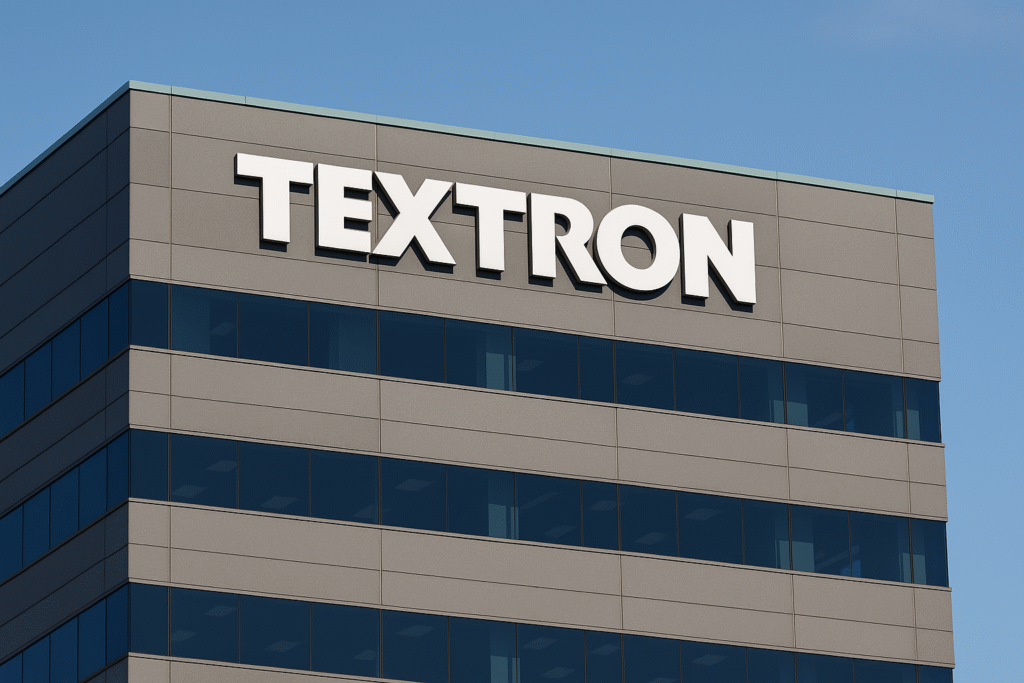
Textron Inc. is undertaking a major organisational transformation that will affect the future of electric aviation and advanced mobility technology. Announced in mid-October 2025, the company plans to dissolve its dedicated eAviation reporting unit, redirecting its programmes into its established business lines. The move takes effect from 4 January 2026 and reflects a broader strategy to scale innovation by embedding it within core divisions rather than maintaining a separate startup-style segment.
What’s changing?
Textron’s eAviation division, created in 2022 following its acquisition of the electric aircraft manufacturer Pipistrel, has been the company’s focal point for electric and hybrid-electric aircraft research, including work on unmanned systems and eVTOL concepts. Under the new structure:
- A large portion of the eAviation business—including Pipistrel’s aircraft programmes—will be transferred to the core aviation arm, Textron Aviation, enabling these technologies to leverage that division’s manufacturing, sales and customer-support expertise.
- Electric and hybrid manned and unmanned programmes with defence relevance will move to Textron Systems, the company’s defence and government business, which offers more direct access to military customers.
- Some digital flight-control and air-vehicle-management initiatives that span multiple lines will shift into a corporate-level cost centre rather than remain confined to a specific business unit.
Following the realignment, Textron will operate five business segments—Textron Aviation, Bell, Industrial, Textron Systems and Finance—rather than six under the previous structure. Prior-year data will be recast to reflect the change when the company reports its first quarter of 2026 results.
Why this matters
At its core, this restructuring signals that electric aircraft development is moving from niche experiment toward integration with mainstream aviation operations. By embedding eAviation capabilities within divisions that already manage production, sales and customer service, Textron aims to accelerate commercialisation and scale. This is particularly relevant for destinations, airports and regions hoping to position themselves for the next generation of mobility—whether electric aircraft for short hops, regional routes, or urban air mobility.
For the tourism and travel sector, the implications are subtle but present. As electric aircraft and eVTOL concepts mature, their potential to serve shorter regional hops or link remote destinations may increase. These technologies may one day offer high-frequency, low-emission flights between tourist hubs or connect resorts and remote lodging with city centres. The fact that Textron is streamlining its operations suggests these innovations may come closer to market.
In the tourism context
For destinations, airport operators and tourism boards, the restructuring may herald a future where new aviation technologies become part of the visitor infrastructure. Whether it’s electric aircraft servicing eco-resorts, autonomous regional flights linking smaller towns, or new transport models easing access to nature-based tourism, the change within Textron highlights how the aviation supply chain is evolving. Regions aiming to be “next-generation” tourism hubs should monitor how electric-aircraft programmes develop, how regulatory systems adapt, and how infrastructure investment aligns with changing aircraft types.
What stays the same?
While the segment name disappears, Textron emphasises that work on electric and hybrid aircraft will continue. Projects like Pipistrel’s light electric aircraft and the Nexus eVTOL concept remain active—albeit under a different organisational structure. The company states that the new reporting format is intended to improve efficiency and better link R&D with commercial operations.
What travellers and destinations should watch
- Short-haul connectivity: Innovations in electric and hybrid aircraft could reduce costs and emissions for regional flights, enabling more destinations to become accessible.
- Tourism-oriented applications: Resorts, island destinations and remote lodgings might benefit first from electric aircraft or eVTOLs, as lower operating cost and noise levels become viable.
- Infrastructure implications: Airports and mobility hubs may need to adapt for new aircraft types—charging/electric-ground systems, vertical take-off zones, or regional corridors.
- Regulatory and market timing: Commercial rollout of advanced aircraft remains dependent on certification, safety standards and demand. Destinations should view this as a future-watch topic rather than immediate certainty.
In summary
Textron’s decision to fold its eAviation unit into its existing aviation and defence business lines underscores the maturation of electric-aircraft technology. For the broader travel and tourism industry, it signals that next-generation aviation is increasingly being treated as part of the mainstream mobility ecosystem rather than a separate experimental branch. While the direct impact on holiday travel is not immediate, the trend is clear: as electric and hybrid aircraft programmes scale, destinations and tourism operators that engage with mobility innovation today may secure advantages in future access, connectivity and visitor experience.
For more travel news like this, keep reading Global Travel Wire