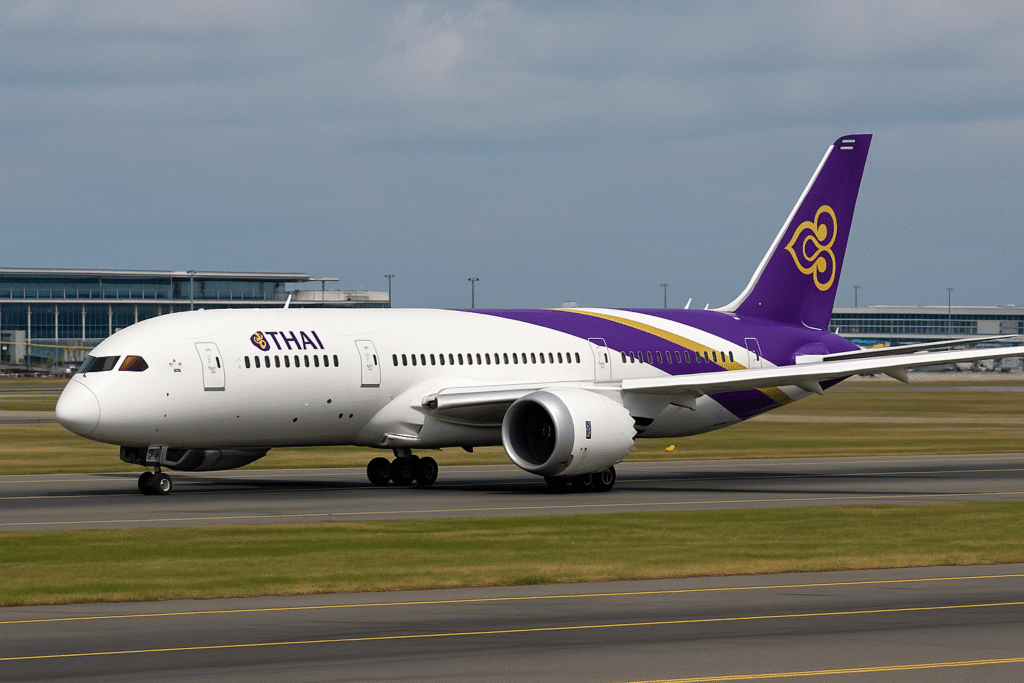
Thai Airways International (THAI) has announced a landmark decision that reshapes its future in global aviation. The airline will gradually phase out first-class cabins across all routes, replacing them with a focus on enhanced business class and premium economy. This strategic transformation aligns with shifting passenger preferences, cost efficiency goals, and broader global trends in the airline industry.
For decades, first class symbolized the pinnacle of air travel luxury, with expansive suites, private cabins, and personalized service. Yet in today’s market, travelers are increasingly prioritizing value, comfort, and convenience. Thai Airways’ decision acknowledges these changes, ensuring the airline delivers consistent, modern, and competitive services for international travelers.
Why First-Class is Disappearing
The decline of first-class travel is not unique to Thai Airways. Leading carriers worldwide have reduced or entirely eliminated their first-class cabins. Airlines such as American Airlines, Turkish Airlines, Oman Air, and Air New Zealand have already made similar changes. Even premium Middle Eastern carriers, traditionally known for opulent first-class offerings, are reconfiguring new aircraft with business class as their top-tier service.
Several key factors explain this global shift:
- Business Class as the New Luxury
Modern business-class cabins now feature fully lie-flat beds, gourmet dining, and increased privacy. For many passengers, this experience matches or even surpasses traditional first-class expectations. - Passenger Value Preferences
Travelers today carefully weigh cost against comfort. Many are reluctant to pay significantly higher fares for marginal differences in service, making business class and premium economy far more attractive. - Operational Efficiency
Maintaining first-class cabins is expensive, requiring larger cabin spaces, more staff, and costly amenities. By reallocating this space, airlines can offer more seats in high-demand business and premium economy, maximizing both revenue and passenger satisfaction.
Thai Airways’ Restructuring Plan
Over the next two to three years, THAI will implement a comprehensive restructuring plan designed to modernize its fleet and streamline its cabin offerings. First-class seats will be phased out entirely, leaving three clear service categories:
- Business Class – Elevated with modern suites, enhanced privacy, and luxury amenities.
- Premium Economy – Designed for travelers seeking extra comfort without business-class fares.
- Economy Class – Refreshed with improved seating and in-flight services.
The airline has already begun scaling back first-class availability, which was previously limited to select routes such as Bangkok–London and Bangkok–Tokyo. Future long-haul services will feature redesigned cabins that eliminate first class entirely.
Investment in Fleet Modernization
Thai Airways is not only retiring first class but also investing heavily in its aircraft fleet. Major initiatives include:
- New Aircraft Orders: THAI has placed substantial orders for Boeing 787 Dreamliners, scheduled for delivery beginning in 2028. These aircraft will arrive configured with the new three-class layout.
- Cabin Retrofits: Fourteen Boeing 777-300ERs will undergo refurbishment, featuring upgraded business-class suites with private doors, redesigned premium economy, and enhanced economy seating.
- Airbus A350 Upgrades: From 2028, THAI will retrofit its A350s to align with the latest cabin innovations, offering passengers a more modern travel experience.
Looking ahead, the airline has set an ambitious target to expand its fleet to 150 aircraft by 2033, up from its current 78. To bridge the gap, it will lease additional wide-body jets between 2027 and 2028.
Market Expansion Goals
Alongside its fleet modernization, THAI aims to strengthen its position at Bangkok’s Suvarnabhumi Airport. By 2029, the airline expects to boost its market share from 35% to 42%, nearly reclaiming the peak levels it achieved in 2013.
This growth strategy is designed to cement THAI’s role as a leading hub carrier in Southeast Asia, appealing to both business travelers and leisure tourists seeking reliable, comfortable, and cost-efficient travel options.
The Passenger Experience Redefined
For travelers, this transformation means a more uniform and reliable experience across all THAI flights. Passengers can expect:
- Modernized Business Class: Private suites, lie-flat beds, curated menus, and greater privacy.
- Enhanced Premium Economy: Extra legroom, wider seats, upgraded meals, and added convenience for mid-tier travelers.
- Refreshed Economy Class: Comfort improvements, upgraded entertainment, and better service consistency.
By focusing on these categories, Thai Airways ensures it can appeal to a wide spectrum of passengers while remaining competitive in a challenging global aviation market.
What This Means for Tourism in Thailand
Thailand remains one of the world’s most visited destinations, attracting millions of tourists each year. Thai Airways’ decision to modernize its services will play a vital role in enhancing the country’s tourism appeal. By offering upgraded cabins and improved value for money, THAI positions itself as a preferred carrier for international visitors heading to Thailand’s cultural, historical, and natural attractions.
For Thailand’s tourism industry, this shift signals a commitment to keeping pace with global travel standards. As international arrivals continue to rebound, travelers will benefit from improved connectivity, comfort, and service quality, making Thai Airways a vital partner in the country’s tourism growth.
Conclusion
Thai Airways’ decision to phase out first-class cabins marks a turning point in its history and reflects the evolving nature of global aviation. By focusing on business and premium economy, the airline is aligning itself with modern passenger expectations, financial sustainability, and global industry trends.
As the airline upgrades its fleet and expands its presence, travelers to and from Thailand can expect a redefined experience that balances luxury with practicality. This bold step positions Thai Airways not only as a competitive carrier in Asia but also as a symbol of how airlines worldwide are adapting to the future of air travel.
For more travel news like this, keep reading Global Travel Wire