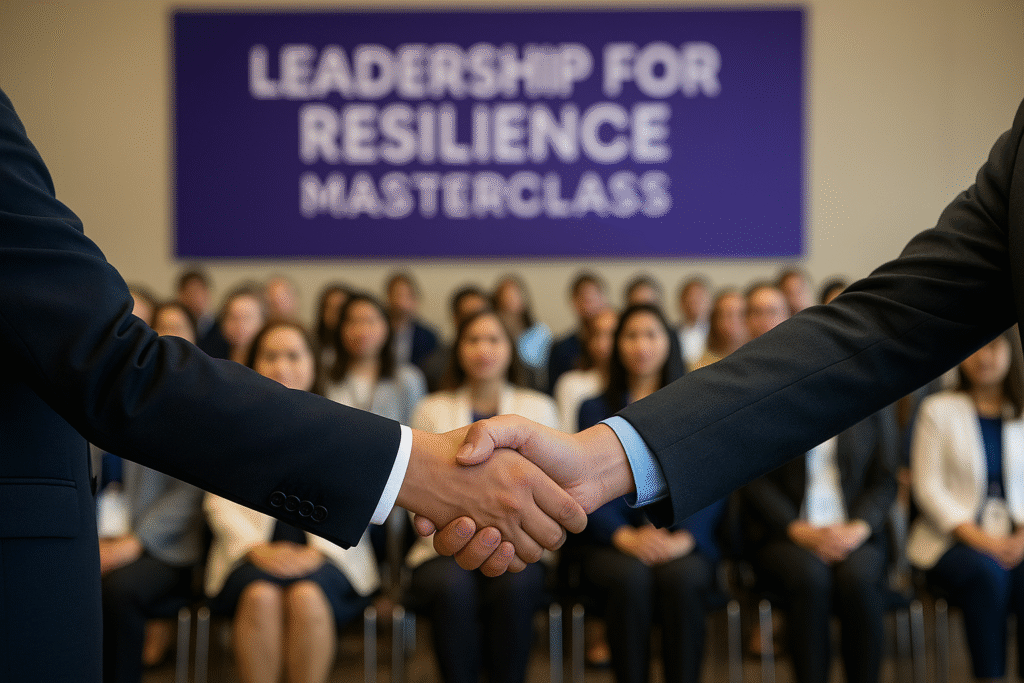
The Philippines’ tourism sector is entering a new phase of accelerated evolution, thanks to a strategic partnership between the Department of Tourism Philippines (DoT) and global travel-platform Agoda. This collaboration launches the inaugural Executive Masterclass on “Leadership for Resilience”, designed to equip senior tourism industry executives with the tools to navigate contemporary challenges, embrace digital transformation and foster sustainable growth.
Held as a high-level one-day interactive session, the Masterclass brought together 72 senior leaders from across the public and private tourism ecosystem — including top figures from the DoT, national hotel associations and hospitality-industry partners. The focus: to build capacity and catalyse a collective mindset oriented toward innovation, leadership and collaboration, anchored in resilience.
A new paradigm for Philippine tourism leadership
Tourism remains central to the Philippines’ economy. The DoT emphasises that tourism is not only a driver of jobs and GDP but increasingly a platform for community recovery and national resilience. Recent communications from the DoT underline that tourism must be people-centred and future-focused — recognising the intensifying impacts of climate events, natural disasters and shifting global traveller behaviours.
Through the Masterclass, attention is placed on the role of senior leaders in enabling the tourism ecosystem to anticipate disruption, adapt swiftly and steer sustainable destination management. Participants engaged in interactive modules that addressed service delivery enhancement, technology adoption, operational efficiency and strengthened public-private-community partnerships.
Digital transformation and data-led growth
Agoda’s involvement brings to bear its digital travel-platform expertise and data-analytics capabilities. The programme emphasised how tourism leaders can leverage technology—such as AI-driven insights and digital guest-experience tools—to optimise operations and meet evolving traveller expectations.
By sharing best practices on data-driven decision-making, Agoda helped participants understand how real-time analytics, demand forecasting and targeted guest-services innovation can underpin stronger destination competitiveness. The course resonated with the Philippines’ ambition to modernise its tourism infrastructure, expand digital-ready services and stimulate growth across both metro and regional destinations.
Collaboration, community and inclusive growth
Beyond technology and leadership training, the Masterclass underscored the importance of collaboration—among government bodies, private operators, destination communities and local tourism micro-enterprises. It stressed that an industry built only on marketing-led growth will struggle to endure; instead, resilient tourism requires inclusive, community-based development, preparedness for crises and adaptable business models.
This aligns with broader resilience frameworks that highlight risk assessment, adaptive capacity and long-term sustainability as prerequisites for thriving tourism destinations. Industry thought-leaders argue that resilience is the cornerstone upon which true sustainability stands.
Preparing for regional events and global competition
The timing of the Masterclass dovetails with the Philippines’ growing ambitions to host major regional forums and to solidify its standing as a global travel destination. With the ASEAN region increasingly competitive, the country’s tourism leadership sees value in strengthening its institutional readiness, elevating private-sector capabilities and enhancing destination resilience.
Agoda and the DoT’s partnership sends a clear signal that the Philippines is intent on shaping a tourism sector that is resilient in the face of global volatility, anchored in future-oriented leadership and driven by innovation and collaboration.
Focus on sustainable and resilient tourism growth
As tourism continues to rebound from pandemic-era disruptions, the Philippines has committed to infrastructure investments, community-based training, environmental protection and accelerated digital readiness. These efforts reflect a shift from volume-driven tourism toward quality, resiliency and long-term viability.
The Masterclass is therefore not a one-off event; it represents the precursor to a sustained push toward building leadership capacity and embedding resilience at the core of tourism strategy. By emphasising inclusive growth, public-private partnerships and digital transformation, the country is positioning itself to meet future challenges — from climate change to shifting traveller behaviour — while enhancing the visitor experience and supporting destination communities.
What this means for industry stakeholders
For senior tourism executives in the Philippines, the Masterclass offers a platform for connection, learning and leadership development. It provides access to cutting-edge data insights, peer collaboration and strategic frameworks applicable to hotels, tour operators, destination management organisations and local government units alike.
For the broader industry, the spotlight on resilience and leadership signals higher expectations and a more structured approach to handling tourism’s inherent uncertainties. Digital maturity, crisis-readiness and inclusive stakeholder engagement will increasingly shape success in this sector.
For travellers and destination communities, the emphasis on resilient tourism suggests a better-managed experience, stronger destination infrastructure and a deeper focus on sustainable, community-friendly development. The Philippines is signalling a commitment to not only welcoming visitors, but doing so in a way that safeguards both environment and local livelihoods.
Looking ahead
The partnership between Agoda and the DoT sets a tone of long-term collaboration — one that aims to continuously elevate tourism leadership, embed resilience into operational practice and drive innovation across the board. Future programmes and initiatives are expected to build on this foundation, broadening the reach and impact of leadership training and digital adoption.
As the Philippines expands its international footprint, reforms in tourism policy, expanding infrastructure and renewed global marketing are converging with this skills-and-leadership agenda. With the twin thrusts of leadership development and digital readiness, the country is positioning itself for the next chapter of tourism growth — one anchored in resilience, inclusivity and sustainable value.
In a world where tourism is increasingly subject to shocks—from pandemics to geophysical events, economic disruption to climate change—the Philippines is stepping forward with an approach that expects the unexpected and builds capacity accordingly. Through initiatives such as this Executive Masterclass, the industry is poised to lead with greater confidence, agility and strategic insight.
For stakeholders across hotels, destinations and tourism services, the message is clear: invest in leadership, embrace technology, strengthen collaboration and make resilience your competitive advantage.
For more travel news like this, keep reading Global Travel Wire