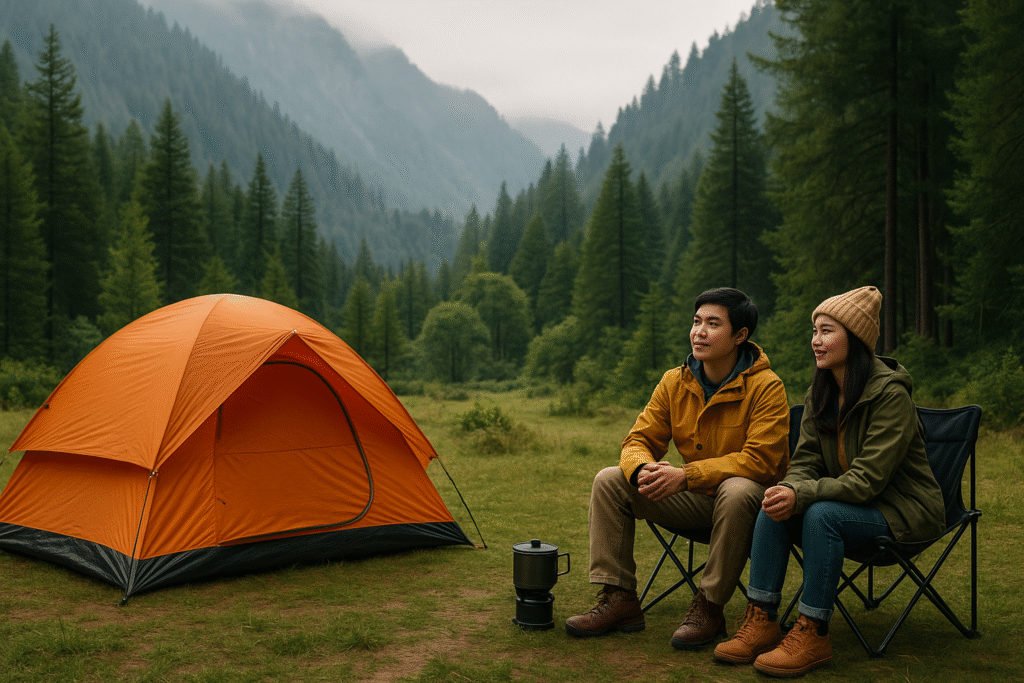
As winter approaches and outdoor travel gains momentum, several Asian countries are emerging as prime destinations for camping enthusiasts. From ancient cedar forests in Japan to mist-covered hills in India, and from rainforest lakes in Thailand to volcanic summits in Indonesia, Asia now offers some of the most diverse and accessible camping landscapes in the world.
Rising Demand for Nature-Based Travel
There is a growing appetite among travellers for experiences beyond urban resorts and beaches. Recent travel industry reports highlight a surge in nature-oriented tourism across Asia, driven by travellers keen to escape city lights and immerse themselves in wilderness. One industry selection underscores six standout camping locations: Khao Sok National Park (Thailand), Yakushima Island (Japan), Taroko Gorge (Taiwan), Phong Nha‑Ke Bang National Park (Vietnam), Mount Rinjani (Indonesia) and Coorg (India). These destinations reflect Asia’s vast range of terrains—rainforest, mountain, coastal, forest and volcanic—making winter an ideal time to visit.
Thailand – Rainforest Lakes and Jungle Camps
In southern Thailand, Khao Sok National Park is one of the world’s oldest rainforests, offering limestone cliffs, emerald lakes and jungle campsites. Visitors can pitch tents near a lake’s edge or inside the forest canopy, surrounded by wildlife, and explore by kayak or trek through the tropical greenery. The end of the monsoon and onset of cooler winter weather make conditions ideal for camping and nature immersion.
Japan – Ancient Forests and Island Escapes
Japan’s Yakushima Island offers a distinct camping experience, with ancient cedar forests, dense moss carpets and misty mountain trails. The island is part of Japan’s larger network of nature preserves and appeals to campers looking for solitude, biodiversity and unspoiled environments. Setting up camp under towering trees, rising early to forest mists and hiking remote trails make this a unique option for nature-seeking travellers.
Taiwan – Marble Gorges and Coastal Wilderness
Taiwan’s Taroko Gorge on the east coast features dramatic marble canyon walls, winding trails and scenic forests. Camping spots within the gorge provide breathtaking river or forest views, making it a favourite for hikers and outdoor lovers. With its cultural regions and indigenous presence, the site also offers a layering of nature and heritage for travellers seeking depth.
Vietnam – Karst Caves and Jungle Serenity
In central Vietnam, Phong Nha-Ke Bang National Park is known for its vast cave systems, limestone karst landscapes and jungle retreats. Camping here means waking up near jungle sounds, migrating bats, and exploring cave networks as part of your stay. Because of its status as a World Heritage site, the region offers both adventure and conservation-focused ambience.
Indonesia – Volcanic Challenges and Summit Camps
For the more adventurous camper, Mount Rinjani on the island of Lombok represents one of Asia’s most dramatic camping adventures. The active volcano rises over 3,700 metres and features a crater lake, lava fields and sweeping summit views. Camping on the mountain’s slopes is best for trekkers ready for physical challenge, but the payoff is panoramic views and incredible landscapes at sunrise.
India – Hill-Station Tranquility and Plantation Camps
In southern India, Coorg in Karnataka—nicknamed the “Scotland of India”—offers mist-covered hills, coffee plantations and accessible camping options. Here, less intense trekking, tranquil atmosphere and local wildlife make it ideal for nature lovers seeking relaxation rather than extremes. Camping in Coorg gives you space to breathe, explore local culture and stay in comfort amidst nature.
Why Winter is the Ideal Time
Winter in Asia brings several advantages for camping trips: cooler, drier weather in many regions, fewer insects after monsoon seasons, and clearer skies. Additionally, camping tends to be more affordable and flexible than resort stays, making it accessible to a wider range of tourists—from backpackers to families. Importantly, each of these destinations offers varied levels of challenge, so you’ll find options whether you seek hardcore adventure or gentle outdoor escape.
Traveller Tips & Considerations
- Gear and preparation: While camping may appear simple, terrain varies widely—from jungle humidity to mountain cold—so bring appropriate gear for your destination.
- Respect nature and culture: Many of the highlighted spots are protected or sensitive environments. Follow local guidelines, minimise impact and engage respectfully with indigenous and local communities.
- Booking ahead: Popular campsites, particularly in high-season winter months, may require prior booking for permits or safari-camp support.
- Access and transport: Some sites (e.g., Mount Rinjani) demand guided treks and multiple days; others (like Coorg or Khao Sok) are more accessible with day-visit-plus-overnight options.
- Weather-aware travel: Check seasonal weather patterns—especially as conditions change rapidly in mountainous or jungle zones.
A Fresh Narrative for Asia Outdoors
These destinations reveal a broader shift in how Asia markets outdoor tourism: away from beach resorts and city skylines, toward green horizons, night-skies, forest whispers and mountain air. The six camping locations emphasise variety—whether you’re seeking quiet solitude, wildlife encounters, high-altitude vistas or cultural trails.
Final Word
For travellers planning a winter getaway rooted in nature rather than nightlife, Asia’s camping hotspots deliver unforgettable landscapes and memories. Thailand, Japan, Taiwan, Vietnam, Indonesia and India each offer distinct terrains and styles of outdoor escape. From jungle lakes and volcanic summits to ancient forests and marble gorges, these experiences combine tranquillity with adventure in equal measure. This winter, consider swapping the hotel for a tent and the resort pool for a forest dawn—because Asia’s great outdoors is calling.
For more travel news like this, keep reading Global Travel Wire