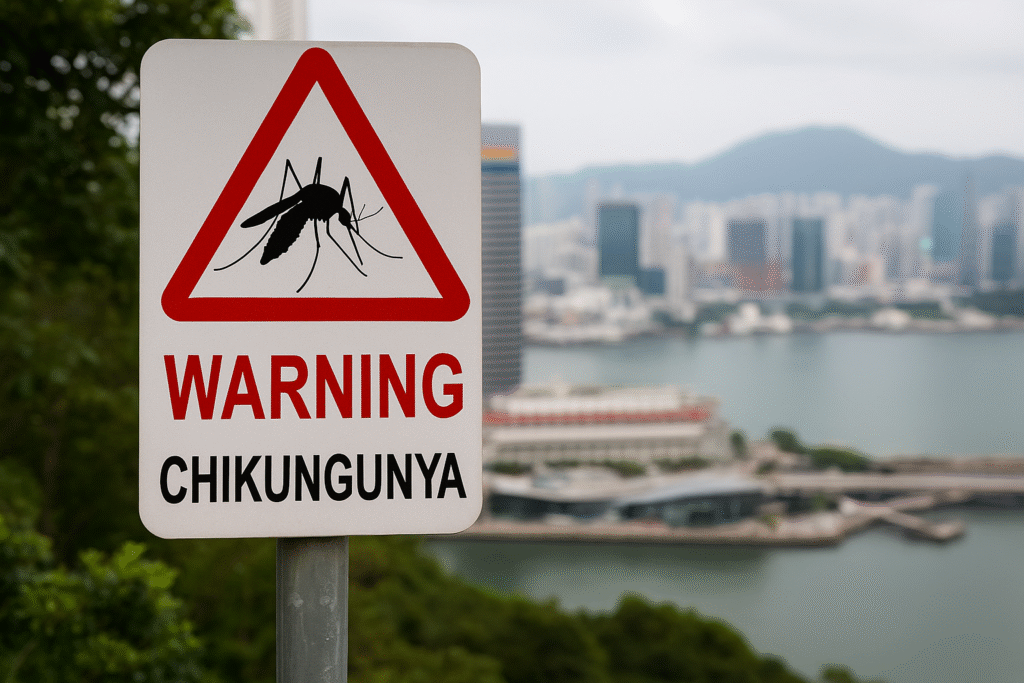
Hong Kong health officials have alerted travellers after confirmation of a death linked to the mosquito-borne virus Chikungunya following travel abroad. The fatality underscores the growing global threat of the disease, and highlights urgent travel health considerations for visitors as well as residents.
What is Chikungunya and How Did It Reach Hong Kong?
Chikungunya is caused by a virus transmitted by infected female Aedes mosquitoes. The main species include Aedes aegypti and Aedes albopictus, both of which can spread the disease. The virus causes sudden high fever, severe joint pain, muscle aches, rash and fatigue, typically appearing 3-8 days after exposure.
Though rarely fatal, infections can lead to long-lasting joint pain, mobility issues and complications in vulnerable people such as the elderly or those with underlying illnesses.
In Hong Kong, while Aedes aegypti is absent, the locally present Aedes albopictus can still transmit the virus. With travel to endemic areas and imported cases rising, the risk of local transmission is real.
Why Travellers and Residents Should Be Alert
- Global travel connects you to risk zones. The recent outbreak in southern China’s Guangdong province is among the largest recorded. Thousands of cases have emerged in a short span, and Hong Kong has already recorded multiple imported cases this year.
- Mosquito-borne diseases don’t respect borders. When travellers return carrying the virus, local mosquitoes can bite them and spread it further — creating a bridge to autochthonous cases unless controlled.
- No specific vaccine available locally. Currently there is no widely approved chikungunya vaccine in Hong Kong; prevention hinges on mosquito bite avoidance.
- Tourist hotspots are in high-risk zones. Popular destinations for Hong Kong travellers include Southeast Asia and southern China — where mosquito activity and rainy season breeding conditions increase virus spread.
Recognising Symptoms & Acting Quickly
Key signs of chikungunya infection include abrupt onset of fever, intense joint pain (especially hands/feet), rash, muscle pain and headache. The joint pain can linger for weeks or months.
If you have recently travelled and experience these symptoms, seek prompt medical attention. Inform doctors of your travel history and potential mosquito exposure. Early diagnosis aids in monitoring complications. While there’s no antiviral treatment specifically for chikungunya, supportive care can alleviate symptoms.
High-Risk Regions: What Travellers Must Know
Chikungunya thrives in tropical and subtropical settings where Aedes mosquitoes are abundant. Regions with recent outbreaks include parts of Southeast Asia, Africa, the Caribbean and southern China. The latest large-scale outbreak in China has raised regional vigilance and travel health warnings.
If heading to these zones:
- Expect increased vector control measures (fogging, insecticide, mosquito habitat removal).
- Prepare personal protective steps (see next section).
- Brief yourself on local health alerts and travel advisories.
Protecting Yourself: Practical Prevention Steps
Prevention is straightforward yet essential:
- Wear light-coloured, long-sleeved shirts and long trousers when outdoors, especially during dawn and dusk.
- Use insect repellent containing DEET or approved ingredients on exposed skin and clothing.
- Stay in accommodation with window/door screens or air-conditioning to reduce mosquito entry.
- Remove standing water around residences and inspect for mosquito breeding sites (vases, plant dishes, containers).
- After returning from a higher-risk region, monitor your health for at least two weeks and inform your doctor immediately if symptoms develop.
What Hong Kong Authorities Are Doing
The Centre for Health Protection (CHP) and related departments have stepped up surveillance at ports of entry, expanded testing capacity and enhanced public education campaigns. Mosquito-control operations have increased, including fogging and inspection of breeding ground removal. The government has also issued reminders for healthcare providers to test patients presenting compatible symptoms, even without clear travel history.
Travel-Wise Tips for Safe Journeys
- Check latest travel health notices before departure, especially if your route includes regions with identified outbreaks.
- Pack insect repellent and lightweight protective clothing as part of your travel kit.
- Choose accommodation options with robust mosquito-control or air-conditioning.
- On returning, if you feel unwell with fever and joint pain, do not self-medicate; seek medical care and mention your travel history.
- Stay informed about local conditions, wet-season mosquito activity and any newly issued travel advisories or warnings.
Final Word: Vigilance is Key
The confirmation of a chikungunya-related death tied to travel acts as a stark reminder: travel enriches lives, but also brings health risks. For Hong Kong residents and global travellers alike, being informed, prepared and proactive can make the difference. Mosquito-borne diseases like chikungunya, dengue and Zika remain a reality — but with common-sense precautions, travel can remain safe and enjoyable. Stay alert, stay protected, and keep your journeys healthy.
For more travel news like this, keep reading Global Travel Wire