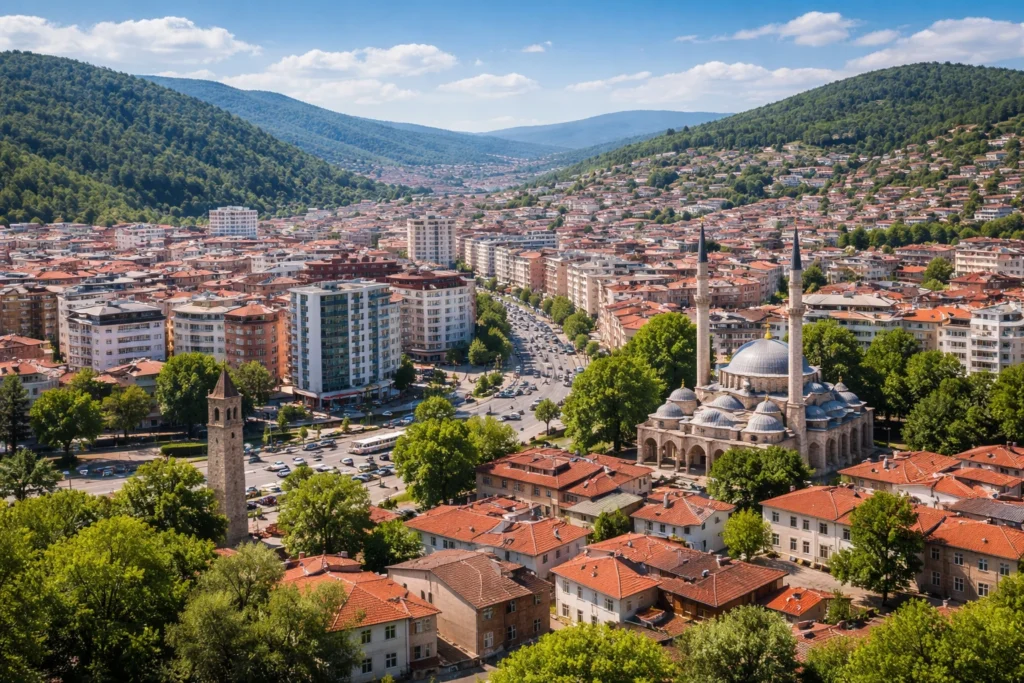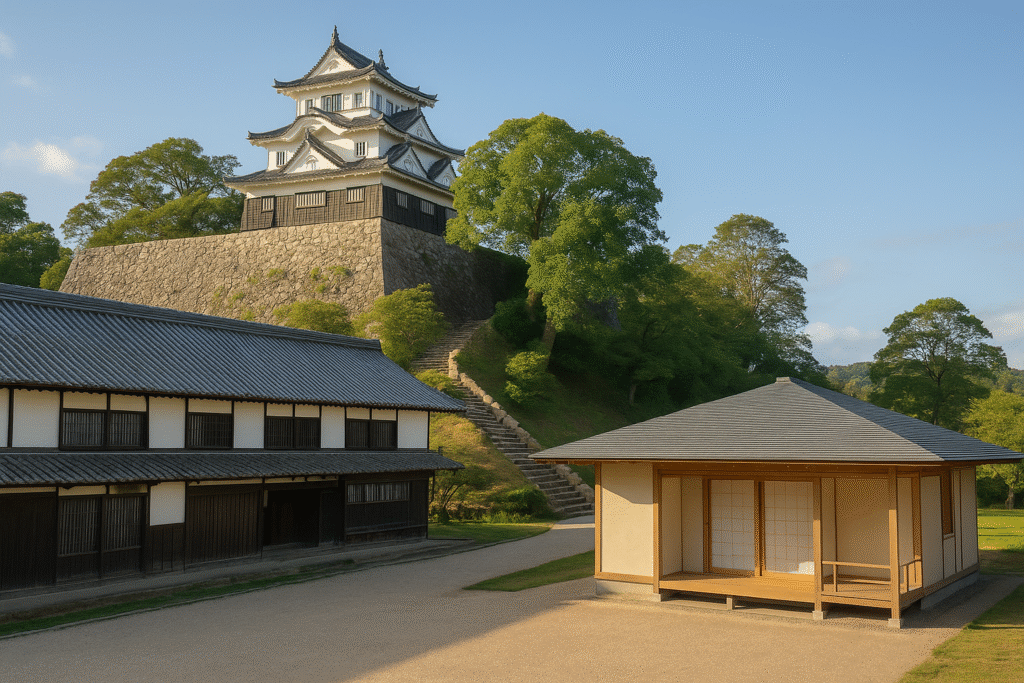
Tsuyama City, located in Okayama Prefecture, is preparing to make history with the launch of Japan’s first scattered hotel in November 2026. This pioneering tourism initiative will transform several preserved historical buildings around the ruins of Tsuyama Castle into luxurious accommodations. Instead of a single large hotel, guests will stay across four heritage-rich properties, each steeped in the region’s feudal past.
The scattered hotel will allow visitors to immerse themselves in Edo-period history while enjoying modern comforts. Guests will be able to live, quite literally, as if in the age of the shogunate, with cultural programs and traditional activities complementing the stay. The city aims to establish itself as a “living museum” where history, architecture, and hospitality merge seamlessly.
Tsuyama’s Historical Significance
Tsuyama was once the political and cultural heart of the Tsuyama Domain during the Edo period. At its center stood the mighty Tsuyama Castle, built in the early 1600s. Though much of the castle was later destroyed, the stone foundations and gardens remain, offering a glimpse into Japan’s feudal past.
What sets Tsuyama apart is its remarkably preserved urban landscape. Unlike many Japanese cities, it escaped widespread destruction during World War II, leaving districts such as Josai and Joto intact. Both areas are officially designated as Important Preservation Districts for Groups of Traditional Buildings, showcasing authentic Edo-period architecture. This untouched charm makes Tsuyama an ideal setting for a cultural tourism project that emphasizes authenticity and history.
The Scattered Hotel Concept
The scattered hotel, or “diffused hotel,” is a concept where guest accommodations are spread across multiple historic properties within a town. Instead of one centralized building, visitors check in at separate locations, each offering a distinct atmosphere tied to local heritage.
In Tsuyama, the project will feature four main properties:
- Kakuzankan – Originally used as a school for the feudal Tsuyama Domain, this building near the castle ruins will immerse guests in educational and cultural history.
- Yohokaku – A guest house within the serene Shurakuen Garden, once a private retreat for the feudal lords’ family. Here, guests will enjoy tranquil views of a historic Japanese garden.
- Kajimura Family Residence – Located in the Joto District, this preserved Edo-period house offers visitors an authentic experience of traditional architecture.
- Other Historic Dwellings – Additional properties will reflect the refined lifestyle of the samurai era, blending cultural preservation with modern hospitality standards.
Each property will retain its original design while being carefully updated for comfort, ensuring that history and modernity coexist.
Cultural Experiences for Guests
The scattered hotel is more than a place to stay—it is a cultural immersion program. Visitors will have access to a range of traditional Japanese experiences, such as:
- Tea ceremonies guided by masters in historic settings.
- Calligraphy workshops that highlight centuries-old artistic traditions.
- Kyudo (archery) demonstrations and lessons, reflecting martial practices of the samurai.
- Craft sessions led by artisans who have preserved skills passed down for generations.
Guests can also explore Tsuyama Castle’s grounds, stroll through Shurakuen Garden, or wander the preserved streets of Joto. From panoramic views atop castle ruins to hands-on cultural workshops, every moment of the stay is designed to connect travelers with Japan’s layered history.
Economic Growth Through Cultural Tourism
Tsuyama’s scattered hotel project is not only a cultural initiative but also a driver of local economic revitalization. By repurposing historic buildings for tourism, the city is ensuring their preservation while creating jobs and business opportunities.
Cultural tourism has been growing steadily in Japan, with both domestic and international visitors seeking more authentic and experiential travel. Tsuyama’s unique offering is expected to draw travelers who want to go beyond the standard tourist circuit and discover a more intimate connection with Japanese history.
The project is anticipated to strengthen the city’s reputation as a hidden gem in Okayama Prefecture, while also contributing to regional development and international recognition.
A Step Toward Japan’s Tourism Future
The scattered hotel initiative reflects a broader trend in Japan’s tourism strategy: creating meaningful, localized experiences that emphasize heritage and authenticity. Rather than focusing solely on bustling cities like Tokyo, Kyoto, or Osaka, this approach highlights smaller destinations where cultural richness is deeply embedded in daily life.
For Tsuyama, this means positioning itself not just as a stopover destination, but as a centerpiece of experiential tourism. The scattered hotel could become a model for other towns across Japan looking to revitalize their historic assets while appealing to a global audience.
Conclusion: Tsuyama’s Living Museum
The upcoming scattered hotel in Tsuyama offers travelers a rare opportunity to live inside history while enjoying modern hospitality. Whether staying in a villa overlooking Shurakuen Garden or in a preserved Edo-era residence, visitors will be transported into Japan’s feudal past while remaining connected to present-day comforts.
With its blend of cultural activities, historic architecture, and scenic landscapes, Tsuyama is poised to become a new highlight on Japan’s tourism map. For travelers seeking something beyond conventional hotel stays, the city promises a once-in-a-lifetime experience—an immersive journey into the cultural soul of Japan.
For more travel news like this, keep reading Global Travel Wire