Tunisia is entering 2025 with exceptional momentum in its tourism sector, demonstrating a powerful blend of resilience, innovation, and strategic vision. With visitor arrivals surpassing 10 million by late November and tourism revenues exceeding 7.5 billion dinars, the country is poised to reach its ambitious target of 11 million travelers by year’s end. This impressive performance underscores Tunisia’s growing ability to compete in the Mediterranean tourism arena while meeting shifting global travel demands with a diversified and forward-thinking approach.
A Strong Year Marked by Rising Visitor Numbers
Between January 1 and November 20, Tunisia welcomed more than 10 million tourists—an increase of 10.3% compared with the previous year. Sustaining this pace means the nation is on track to break past records and confirm its position as one of North Africa’s most dynamic tourism destinations. For the country, achieving 11 million visitors in 2025 would represent more than just a numerical milestone. It would signal the successful execution of long-term strategies designed to strengthen tourism infrastructure, expand international visibility, and broaden Tunisia’s appeal across global markets.
This surge highlights a renewed confidence among international travelers who are once again choosing Tunisia for its blend of natural beauty, cultural richness, and value-driven experiences.
A Diversified Tourism Portfolio Driving Growth
Tunisia’s success in 2025 is not a result of a single tourism segment, but rather a carefully curated portfolio of offerings designed to capture the interests of a wide range of travelers.
Mediterranean Beach Tourism
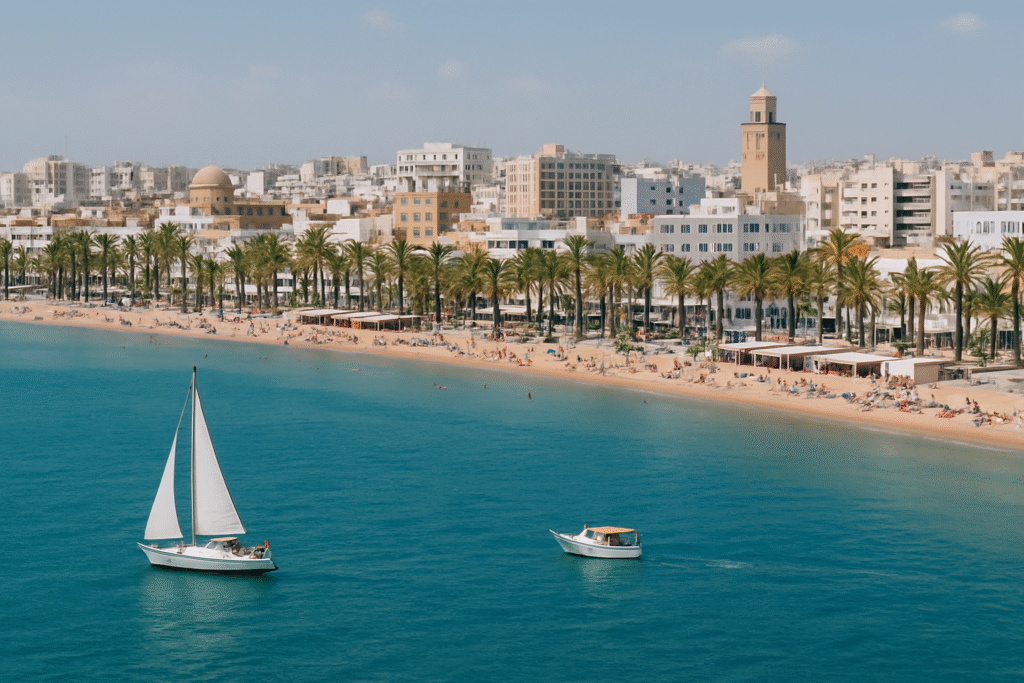
The country’s famed coastal regions—marked by sandy white beaches, turquoise waters, and abundant sunshine—continue to attract millions of leisure tourists seeking affordable and accessible Mediterranean holidays. Resorts and coastal towns have reported consistent demand from families, couples, and group travelers.
Cultural and Heritage Tourism
Historic treasures, ancient ruins, fortified medinas, and archaeological sites are drawing rising numbers of culture-focused travelers. Many visitors are seeking immersive experiences that explore Tunisia’s Phoenician, Roman, Arab, and Ottoman history, supported by local festivals, artisan markets, and restored landmarks.
Wellness and Medical Tourism
Tunisia has long been known for its wellness retreats, thalassotherapy centers, and medical tourism services. In 2025, this segment is gaining renewed visibility, as travelers seek health-oriented trips offering spa treatments, rehabilitation therapies, and affordable medical procedures backed by strong regional expertise.
Eco-Adventure and Desert Tourism
In response to global demand for sustainable and nature-centered experiences, Tunisia is developing eco-tourism routes, desert excursions, national park trails, and adventure activities. The contrasting landscapes—from the Sahara dunes to lush northern forests—give the country unique opportunities for environmentally responsible travel development.
Expanding Into New International Markets
One of the central drivers of Tunisia’s tourism resurgence is its strategic effort to diversify source markets. While traditional European markets remain important, the country is increasingly attracting travelers from the Middle East, Sub-Saharan Africa, Asia, and North America. This diversification reduces dependency on a few key markets and enhances sector stability, especially in times of global uncertainty.
Authorities and tourism boards have strengthened overseas promotions, expanded partnerships with international tour operators, and introduced targeted campaigns showcasing Tunisia’s modern tourism identity. The result is a more balanced and resilient tourism ecosystem with greater long-term growth potential.
Significant Economic Impact Across the Nation
The tourism sector remains a cornerstone of Tunisia’s national economy. The inflow of foreign currency from tourism revenues—already exceeding 7.5 billion dinars—contributes to stabilizing the national financial system and improving the balance of payments. This economic contribution strengthens the country’s fiscal position while supporting thousands of jobs across hospitality, transportation, retail, agriculture, crafts, and entertainment.
Tourism creates opportunities not only in major coastal cities but also in inland regions where cultural sites, eco-tourism trails, and local communities are experiencing new forms of sustainable development. As tourism expands, so does its ability to foster entrepreneurship, preserve cultural heritage, and support regional economies.
A Focus on Quality, Innovation, and Sustainable Experiences
To maintain momentum in 2025 and beyond, Tunisia continues to prioritize modernization and innovation. Enhancing service quality—whether in hotels, restaurants, transportation, or guided tours—is a key objective. Digital enhancements such as online booking systems, smart tourism tools, and multilingual virtual guides are becoming more widely accessible, appealing to modern travelers seeking convenience and personalized experiences.
Sustainable practices are slowly becoming a defining pillar of Tunisia’s tourism framework. Efforts to protect natural areas, promote responsible travel, reduce waste, and encourage eco-friendly accommodations are helping position the country as an emerging leader in Mediterranean sustainability.
Emerging segments—such as cultural immersion tours, wellness retreats, and green travel—offer major potential for expanding revenue streams and attracting high-value visitors.
Bright Prospects for Tunisia’s Tourism Future
With the tourism sector expected to surpass 11 million visitors by the end of 2025 and revenues projected to exceed 8 billion dinars, Tunisia’s tourism future looks stronger than ever. By continuing to broaden its offerings, invest in quality, and open doors to new international markets, the country is shaping itself into a leading Mediterranean destination capable of meeting the expectations of today’s global travelers.
Tunisia’s 2025 tourism success reflects a powerful combination of resilience, innovation, and strategic planning—setting the stage for continued growth and international recognition in the years ahead.
For more travel news like this, keep reading Global Travel Wire