
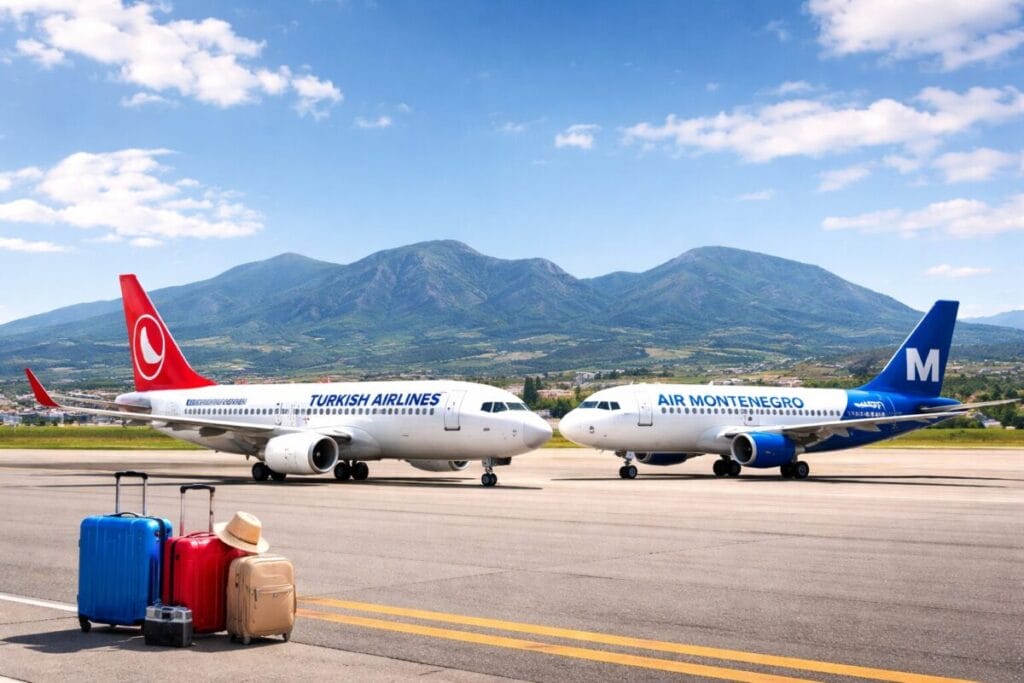
Turkish Airlines has officially resumed direct flights between Istanbul and Tirana. The move restores a vital air link between Türkiye and Albania. It also strengthens Albania’s position as a fast-growing tourism destination in Southeast Europe.
The airline now operates seven weekly flights to Tirana International Airport. Daily service ensures reliable access for both leisure and business travellers. Passengers also benefit from smooth onward connections through Istanbul, one of the world’s busiest global hubs.
This relaunch comes at a time when Albania continues to see steady growth in international arrivals. Improved air access plays a key role in supporting that momentum.
Strengthening Tourism Ties Between Türkiye and Albania
The Istanbul–Tirana route serves as more than a simple connection. It links two countries with deep historical, cultural, and economic ties. For travellers, it offers a faster and more convenient way to explore Albania.
Tirana acts as a central gateway to the country. Visitors can easily reach UNESCO-listed sites, coastal resorts along the Adriatic and Ionian seas, and mountain regions popular for nature tourism. Shorter travel times make weekend breaks and multi-city trips more appealing.
The route also supports diaspora travel. Many Albanians living in Türkiye and Europe rely on consistent air services to stay connected with family and business networks.
Istanbul’s Hub Role Gains More Importance
With this relaunch, Turkish Airlines further strengthens Istanbul’s role as a global aviation hub. The airline connects passengers from Tirana to hundreds of destinations across Europe, Asia, Africa, and the Americas.
For Albanian travellers, this means easier access to long-haul routes with fewer transfers. For inbound tourists, it simplifies travel to Albania from distant markets such as East Asia, North America, and the Middle East.
This expanded access aligns with regional tourism strategies focused on diversification and year-round travel.
New Codeshare Partnership with Air Montenegro Announced
Alongside the Tirana relaunch, Turkish Airlines has unveiled a new codeshare agreement with Air Montenegro. The partnership enhances travel options within the Balkans and beyond.
Under the agreement, Turkish Airlines places its flight code on Air Montenegro services connecting Istanbul with Podgorica and Tivat. These two cities serve as Montenegro’s main air gateways.
Passengers can now book connecting flights on a single ticket. The arrangement improves schedule flexibility and simplifies travel planning.
Easier Access to Montenegro’s Key Destinations
Montenegro has gained strong recognition for its Adriatic coastline, historic towns, and mountain landscapes. The new codeshare makes reaching these destinations easier for international travellers.
Tivat provides access to coastal resorts and cruise ports. Podgorica connects travellers to the capital and inland regions. Both cities now link more efficiently with Istanbul’s global network.
For travellers departing from Türkiye, the partnership opens new short-haul leisure options with seamless connections.
Benefits for Passengers Across the Region
The codeshare agreement improves the overall passenger experience. Travellers benefit from coordinated schedules, unified booking, and smoother baggage transfers.
One-ticket journeys reduce travel stress. Consistent service standards also improve reliability across connecting flights. These benefits matter most for long-haul travellers and business passengers with tight schedules.
The partnership also supports seasonal travel demand, especially during summer tourism peaks along the Adriatic coast.
Expanding Global Reach for Both Airlines
The collaboration offers mutual benefits. Turkish Airlines expands its Balkan footprint without adding new aircraft. Air Montenegro gains wider exposure through access to Turkish Airlines’ international network.
Montenegrin travellers can now connect more easily to destinations in the Middle East, Central Asia, and beyond. This improved access supports outbound tourism and international trade.
The partnership reflects a broader trend toward regional airline cooperation in Europe.
Boost for Tourism, Trade, and Economic Growth
Improved air connectivity drives more than tourism. It supports trade, investment, and cultural exchange. Faster travel links help businesses reach new markets and strengthen bilateral relations.
For Albania and Montenegro, better access increases competitiveness as emerging destinations. For Türkiye, it reinforces its strategic role as a bridge between regions.
Governments across the Balkans continue to prioritize aviation partnerships as part of long-term economic development plans.
A Key Moment for Balkan Aviation
The return of Istanbul–Tirana flights and the new Montenegro codeshare signal a positive shift for regional aviation. Demand for both leisure and business travel continues to rise.
These developments suggest more partnerships and route expansions may follow. Airlines are responding to passenger demand for flexibility, efficiency, and wider destination choices.
For travellers, the outcome is simple. More routes mean more options, shorter journeys, and better connectivity across the Balkans and the world.
What Travellers Can Expect Next
With improved schedules and broader networks, planning trips across Southeast Europe becomes easier. City breaks, beach holidays, and multi-country itineraries now require fewer connections.
Turkish Airlines’ latest moves show strong confidence in the region’s travel potential. As tourism demand grows, enhanced connectivity will remain a key driver of success.
The Balkans are now more connected than ever, and travellers stand to benefit the most.
For more travel news like this, keep reading Global Travel Wire