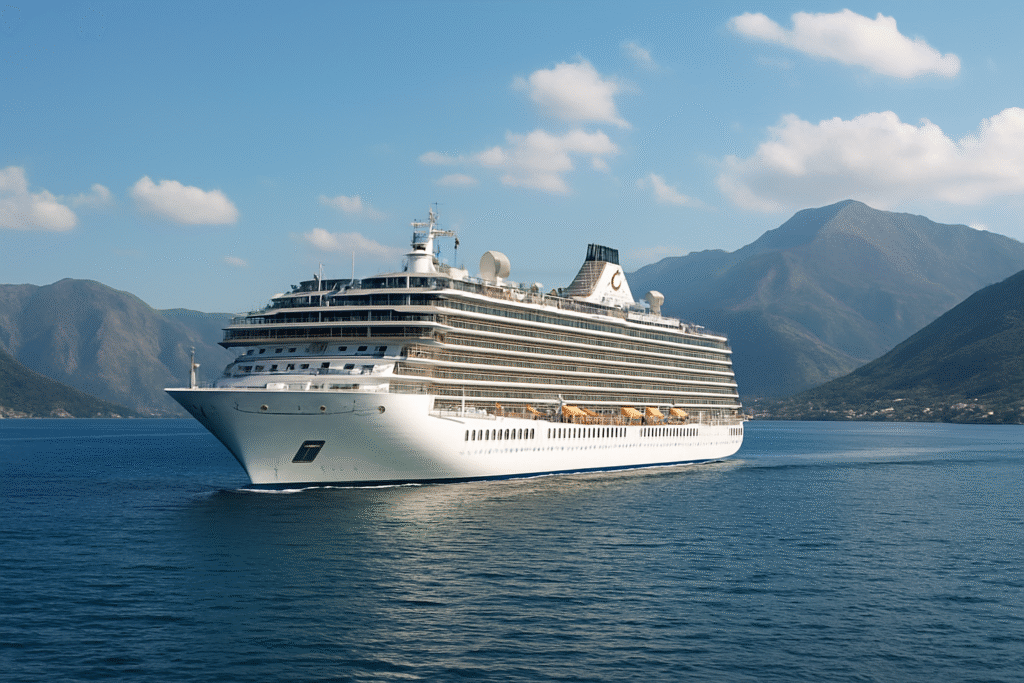
Americans will board cruise ships in record numbers in 2026 as the sector races ahead. The U.S. cruise market shows strong momentum as the Caribbean, Alaska and the Mediterranean attract travellers in droves. This surge reflects wider trends in experience-based holidays, destination diversity and travel affordability.
A Record Year for American Cruisers
Industry data shows North America accounted for 20.5 million cruise passengers in 2024, underlining how dominant the U.S. market remains globally. Demand in 2026 continues to climb as more Americans view cruises as a top holiday choice.
Cruise operators cite broad interest across age groups—including first-time cruisers and multi-generational families—fuelling this growth. At the same time, the luxury segment sees capacity rise by 12.6 % in 2026 compared to 2025, signalling stronger demand in premium experiences.
The Caribbean: A Lifeline for U.S. Cruisers
The Caribbean still stands as the most popular destination for American cruise travellers. Departure hubs such as Miami, Port Everglades and Port Canaveral service routes covering classic destinations like San Juan (Puerto Rico), St. Thomas and Grand Cayman.
Exotic beaches, warm weather year-round and culturally rich ports make the region ideal for both novice and seasoned cruisers. Anyone booking a U.S. cruise often finds multiple options to tailor the trip—family-friendly, eco-focused, or luxury-oriented.
Alaska: Nature’s Grand Stage
Alaska appeals to travellers seeking a cooler climate and vast natural scenery. Cruise itineraries between May and September explore glacier-filled fiords, wildlife-rich shorelines and native cultural villages.
Voyagers spot humpback whales, sea otters and bald eagles while sailing past dramatic landscapes like Glacier Bay and Misty Fjords. West-coast homeports such as Seattle and San Francisco link directly to this growing segment.
With cabins filling well in advance, Alaska cruises are becoming high-demand products that require early booking for prime dates and shore excursions.
Mediterranean Cruises: History, Coastline & Culture
For many U.S. travellers a Mediterranean cruise presents the ultimate combination of beach and culture. Routes visit cities like Rome, Athens or Barcelona, and islands across Greece, Corsica and Malta.
Guests enjoy ancient ruins, vibrant local cuisines and scenic coastlines. The summer season—typically May to October—sees heightened sailings from European ports such as Venice and Genoa, offering U.S. passengers convenient access with seamless transport options.
This region appeals to those who want more than laid-back beach time; it delivers immersive cultural experiences paired with cruise convenience.
Growth Drivers in the U.S. Cruise Industry
Several trends drive the surge in U.S. cruise travel. First, travellers increasingly look for tailored, immersive vacation experiences—cruise lines deliver themed itineraries, exclusive excursions and flexible dining.
Second, modern ships highlight sustainability through LNG-power, advanced filtration and waste-recovery systems. Cruisers conscious of their environmental footprint find this reassuring.
Third, relative affordability and improved access to popular ports broaden the market. First-time cruisers and younger travellers now account for a growing share of departures.
These factors combine to broaden the appeal of cruising beyond traditional holiday-goers and into new demographic segments.
Smart Tips for Booking a 2026 Cruise
Given rising demand, early booking is essential. Popular sailings to Alaska or the Mediterranean often sell out eight months or more before departure.
Prospective travellers should compare itineraries, onboard services and shore-excursion packages. Paying attention to suite categories, dining inclusions and arrival/departure logistics can enhance value.
Finally, select destinations aligned with your interests—relaxation vs adventure, beach vs culture—and book accordingly to maximise cruise enjoyment.
Destination Impacts and Economic Benefits
The expanded U.S. cruise industry not only benefits travellers but also delivers major economic impact. Departure ports and visited destinations receive high-value tourism flows. Local economies—tour operators, wineries, artisans—gain through curated shore visits and tailored experiences.
At the same time, responsible tourism policies become crucial in vulnerable regions. Agreements to cap passenger numbers, protect ecosystems and promote sustainable growth are gaining importance alongside booming cruise traffic.
The Way Ahead for U.S. Cruisers
Looking ahead, cruising from the United States appears set to enter a new era. The number of vessels in operation and new high-capacity ships both grow steadily, and luxury and expedition-style cruising gain traction.
American travellers increasingly expect high quality, curated journeys—not just sea-days and port stops. Regions like the Caribbean will remain strong, but Alaska and the Mediterranean continue to grow as premium choices.
With the industry adding modern, greener ships and tailored itineraries, 2026 may mark a tipping point where cruises become mainstream for a diverse range of holiday-makers.
Final Word
For U.S. travellers planning a getaway in 2026, the time looks ideal to cruise. Demand remains high, destinations span from tropical to polar to historic, and the industry shows strong innovation.
Whether you want the sand and sun of the Caribbean, the wild landscapes of Alaska or the rich heritage of the Mediterranean, a cruise offers both convenience and discovery. Booking early opens up choice, value and peace of mind—so map your itinerary, secure your cabin and get ready to sail.
For more travel news like this, keep reading Global Travel Wire