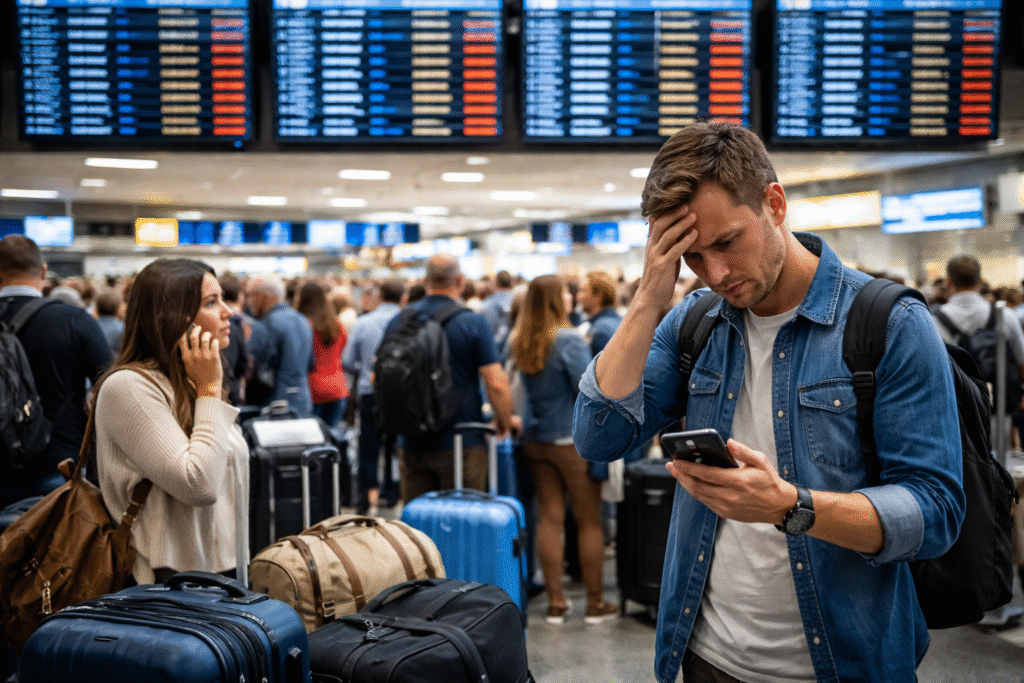
The United States air travel network experienced major strain as more than 3,900 flight delays and almost 100 cancellations disrupted passenger movement nationwide. These interruptions hit several major tourism gateways and regional airports, creating ripple effects across domestic and international travel plans.
Air Travel Faces a Turbulent Weekend
Weather complications, staffing shortages, and aircraft rotation issues converged to create heavy congestion across the system. The disruptions impacted airports in Ketchikan, Anchorage, Seattle, Orlando, Phoenix, San Francisco, Dallas-Fort Worth, and others. Travelers reported long queues, extended wait times, and widespread itinerary adjustments.
Major carriers such as Alaska Airlines, SkyWest, American Airlines, Delta Air Lines, and United Airlines were among the hardest hit. The spike in delays occurred during a busy period for both tourism and business travel, heightening frustration among passengers.
Airline Performance Breakdown
Performance varied greatly across carriers. Although several airlines avoided major cancellation spikes, delays remained problematic. SkyWest recorded the highest number of delays among major carriers, with nearly one out of five flights running late. American Airlines also managed to avoid cancellations but struggled with punctuality due to congested hubs and weather-affected routes.
Alaska Airlines experienced the highest cancellation rate among major players due to operational challenges in the Pacific Northwest and Alaska region. Flight coordination in Anchorage, Juneau, and smaller airports like Ketchikan became more complex due to winter weather patterns and aircraft scheduling constraints. GoJet, operating regional services for larger carriers, logged the highest proportion of delayed flights, reflecting strain on connector segments and hub-and-spoke networks.
Airport Hubs Under Pressure
Performance across U.S. airports varied sharply. Dallas-Fort Worth International Airport reported the highest number of delays as thunderstorms and air traffic management slowed operations. Phoenix Sky Harbor, Orlando International, and New York’s JFK also noted elevated delay percentages as tourism and inbound visitor traffic rose.
Seattle-Tacoma International Airport, a major gateway to the Pacific Northwest, registered both delays and cancellations. Low cloud ceilings and rainfall slowed arrival traffic. Anchorage International Airport also faced winter operational pressures, including cold weather protocols and runway treatments. Regional airports in Alaska such as Ketchikan showed disproportionately high cancellation rates as smaller fleets struggled to recover from disruptions.
Destination airports also felt the impact as delayed departures cascaded into late-night arrivals. Denver, San Francisco, Detroit, and Colorado Springs all logged noteworthy delays. Sitka recorded the highest cancellation proportion among destination markets, demonstrating how small tourism-oriented airports can become vulnerable when aircraft availability tightens.
Tourism Impact and Traveler Experience
The disruptions came during a period of high demand for leisure travel. Many passengers were connecting to cruises, national park excursions, and winter resort destinations, particularly in Alaska, Colorado, and the Pacific Northwest. Others were traveling to Florida theme parks, desert tourism in Arizona, or major cities such as San Francisco and New York.
Travelers missed connections, rescheduled tours, and altered hotel stays. Hospitality businesses near airports experienced a surge in last-minute bookings as passengers sought accommodations during unexpected overnight stays.
Cruise operators in Alaska and the Pacific Northwest adapted embarkation schedules for guests arriving late. Tour operators also reported a rise in communication requests as travelers sought flexibility. The events underscored how modern tourism ecosystems are closely tied to aviation punctuality.
Underlying Factors Driving Disruptions
Industry analysts point to several drivers behind the surge:
1. Weather Variation
Rapidly shifting weather patterns influenced aviation corridors. Thunderstorms, fog, high winds, and winter conditions delayed aircraft sequencing and runway operations. These challenges are magnified during the colder months in northern states and coastal markets.
2. Workforce and Crew Logistics
Crew scheduling remains tight. When aircraft arrive behind schedule, crews often “time out” due to duty limits. Carriers continue to rebuild staffing pipelines that were reduced during earlier industry contractions.
3. Aircraft Rotation and Maintenance
Modern fleets operate with lower spare aircraft availability. A disruption in one hub can delay multiple flights across the network.
4. Record Travel Demand
Tourism demand remains elevated, particularly for domestic exploration. National parks, coastal trips, urban tourism, and cruise travel continue to draw visitors.
Looking Ahead: Outlook for Travelers
Airlines are actively widening crew pools, modernizing fleets, and increasing schedule buffers. Airports also continue investing in upgraded traffic management systems and capacity expansion. However, analysts expect flight punctuality to remain sensitive to weather and staffing for the foreseeable future.
Travel experts advise passengers to:
- book longer layovers for connections
- travel earlier in the day when delays are fewer
- use mobile tools for real-time rebooking
- purchase travel insurance during peak seasons
Conclusion
The wave of delays and cancellations across the United States highlights the fragility of air travel during high-demand periods. With thousands of travelers disrupted, airlines and airports face renewed pressure to improve operational resilience. The tourism sector, deeply linked to aviation reliability, continues adapting as passengers seek smooth and dependable travel experiences across the country.
For more travel news like this, keep reading Global Travel Wire