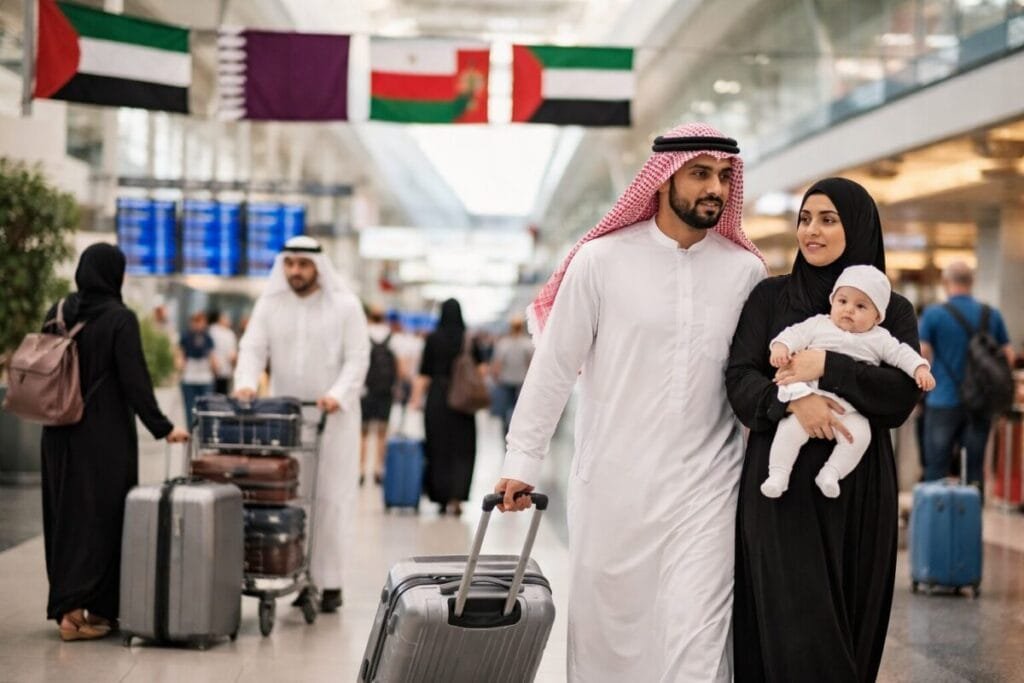
Tourism travel across the Middle East now faces fresh delays. The United Arab Emirates has tightened newborn visa rules and introduced a new digital residency system for infants. Families from Saudi Arabia, Qatar, Oman, Jordan, Lebanon, Iran, and other regional countries now adjust their travel plans to comply with newborn documentation requirements. Many families choose to delay cross-border trips until residency approvals finish. Others choose to fly home early to avoid penalties.
This change arrives during a period of strong tourism recovery in the Gulf. International visitor arrivals to the UAE have shown fast growth since air travel normalized after the pandemic. The new residency rules for newborns add friction, though the long-term goal of the UAE aims to modernize its immigration ecosystem and reduce paperwork for expatriates. The new system supports this vision, yet parents from the region must now handle a learning curve.
Saudi Families Delay Travel as Digital Platform Demands Faster Action
Saudi nationals represent one of the largest expatriate communities in the UAE. Many work in construction, healthcare, and logistics. Their families often travel between Dubai, Abu Dhabi, Riyadh, and Jeddah for tourism, family visits, and school holidays. Under the new rules, newborns need a two-year residency permit processed through the UAE Pass system within 120 days. Parents must upload documents, purchase insurance, and finalize the process online.
Saudi families now postpone non-essential trips until these steps finish. A short weekend break in Dubai once seemed simple. Now parents fear exit complications if their newborn lacks residency confirmation. The need for digital proficiency increases stress as well. Parents who lack comfort with apps or online portals spend extra time seeking support at typing centers or through employers.
Qatari Travelers Adjust Plans to Avoid Border Delays
Qatar maintains strong jet and land travel links with the UAE. Many Qatari expatriates live in Dubai and maintain families in Doha. The new residency rules for newborns affect these travel habits. The previous manual system required papers and stamps. The new digital process removes papers but demands quick online action. Authorities require parents to complete the application before the 120-day window ends or they face daily fines.
Families from Qatar delay outgoing travel until newborn approvals finish. Some families choose to spend longer periods inside the UAE to complete documentation. Others choose to fly back to Doha for extended visits and pause UAE re-entry trips until paperwork settles. Tourism analysts note smaller dips in regional mobility during the early rollout period. These dips remain temporary but highlight how immigration rules influence cross-border tourism patterns.
Omani Families Confront the Learning Curve of Digital Residency
Oman maintains steady tourism traffic with the UAE, especially through the Hatta and Khatmat Malaha border crossings. Weekend tourism between the UAE and Oman remains popular year-round. The new newborn residency process now influences these travel flows. Omani expatriates with infants must complete the application online rather than at government counters. Parents with limited digital experience need time to understand the steps.
Travel agencies in Oman report more questions about infant residency rules and border requirements. Families show caution and choose to finalize paperwork before driving into the Emirates for leisure trips. Over time, the rise of digital literacy will support a smoother tourism flow, but the transition period remains active and sensitive.
Jordanian Travelers Extend UAE Stays to Complete Newborn Residency
Jordanian nationals form a sizable expatriate community in the UAE. Many hold roles in education, aviation, and technology. Their tourism travel often revolves around seasonal holidays and visits to Amman. Under the new rules, parents must hold digital documents for their newborns before outbound or inbound travel. This requirement influences how long they stay in the UAE after childbirth. Previously, families traveled soon after medical clearance. Now they stay longer until documents finish.
These longer stays benefit tourism sectors in the UAE. Families spend more on hotels, serviced apartments, and domestic tourism while waiting for residency approvals. Shopping malls, dining districts, and entertainment attractions see a boost from these extended stays. Airlines gain as well, since families now book flexible return dates.
Lebanese and Iranian Families Face Higher Costs and Delayed Mobility
Lebanese expatriates contribute to tourism activity through frequent travel between Beirut and Dubai. Iranian nationals showcase similar patterns through flights between Tehran and Dubai. The new newborn residency rules introduce extra costs in both communities. Digital document uploads, insurance purchases, and application fees increase household spending. Fines for late filing add further pressure. Families now view early compliance as the cheapest route.
Many Lebanese and Iranian families who planned tourism trips to Lebanon or Iran choose to wait. Airlines in the region report adjustments in travel dates for families with infants. Once the application completes, mobility resumes and tourism spending returns to normal.
Regional Ripple Effect and Future Tourism Outlook
The UAE newborn residency policy reflects the government’s Zero Bureaucracy vision. The country aims to digitize all major visa services and remove paper forms. Other Gulf countries now study similar reforms. Saudi Arabia and Qatar already push toward digital tourism and immigration platforms to support Vision 2030 and FIFA legacy plans.
The tourism impact of the newborn visa rules will likely remain temporary. Digital literacy will rise. Families will learn the workflow. Travel agencies will educate clients. Employers will guide sponsored workers. These improvements will bring faster approvals and smoother border control.
In the future, digital residency and visa systems will strengthen regional tourism. Families from Saudi Arabia, Qatar, Oman, Jordan, Lebanon, Iran, and beyond will enjoy faster movement once the transition finishes. The UAE sees tourism as a core growth engine and will continue to refine systems that enhance travel convenience.
For more travel news like this, keep reading Global Travel Wire