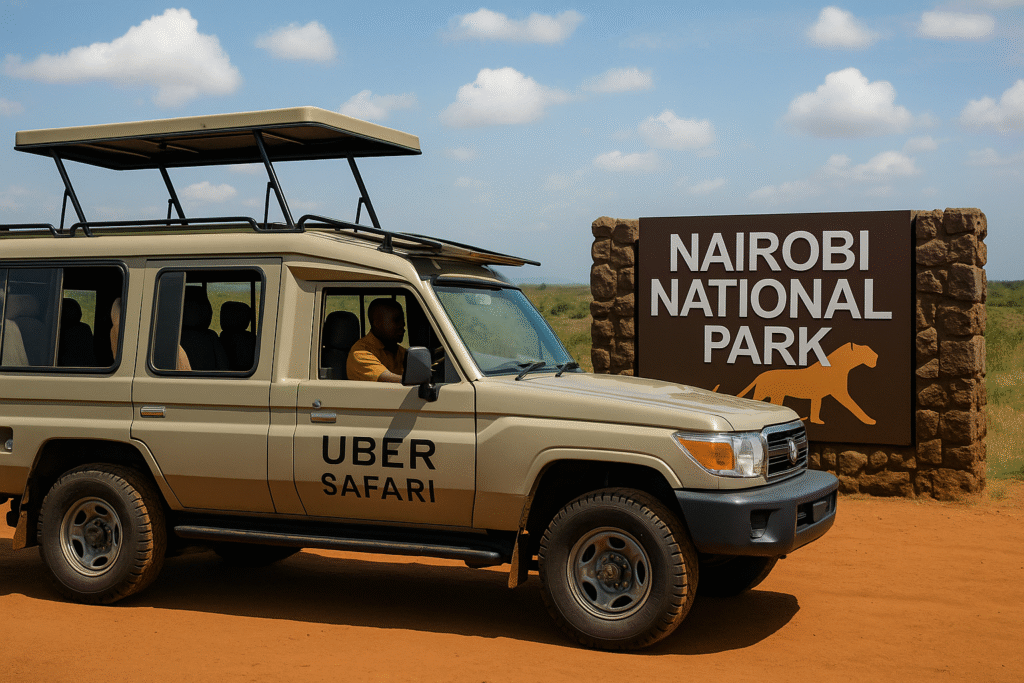
Kenya has long been celebrated as one of the world’s most iconic safari destinations. Now, with the launch of Uber Safari Kenya, the country is welcoming a new chapter that fuses technology and tradition to reshape how both locals and visitors experience wildlife. The service, introduced as part of Uber’s tenth anniversary in the country, is designed to integrate safari experiences directly into the familiar Uber app.
The debut is especially symbolic because it takes place in Nairobi National Park, the only national park in the world situated within a capital city. By embedding safari bookings into a global platform, Uber is positioning itself as more than a mobility service. It is stepping into the tourism space as a connector between travelers and Kenya’s treasured natural heritage.
How Uber Safari Works
The service operates under Uber’s Reserve feature, requiring users to pre-book their safari tours rather than hailing them instantly like regular rides. This ensures an organized, reliable, and immersive experience for participants.
Customers booking an Uber Safari are matched with a safari-ready Land Cruiser operated by licensed local tour companies. Each vehicle is driven by a certified guide trained to provide safe and knowledgeable wildlife encounters. The tours last approximately three hours, offering visitors an accessible yet memorable way to engage with Kenya’s iconic wildlife.
Two tour options are currently available:
- Day Safari: An excursion highlighting the full vibrancy of Nairobi National Park under daylight, where lions, giraffes, zebras, and rhinos can often be spotted.
- Night Safari: A unique journey through the park after dark, showcasing nocturnal animals and the magic of Kenya’s landscapes under starlit skies.
Each package includes the vehicle, the licensed guide, and a curated wildlife experience designed to combine convenience with authenticity.
Partnerships Ensuring Safety and Compliance
Uber’s entry into safari tourism has been carefully coordinated with Kenyan authorities. The company has partnered with the Ministry of Tourism, Kenya Wildlife Service, and other regulators to ensure that all safaris comply with strict safety, environmental, and operational standards.
Imran Manji, Uber’s General Manager for East Africa, described the launch as a transformative moment in widening access to wildlife tourism. According to Manji, the product is intended to provide seamless convenience for residents and international visitors alike while promoting inclusivity in Kenya’s tourism sector.
Uber’s Platform Approach
Importantly, Uber Safari does not rely on Uber-owned vehicles. Instead, it functions as a platform model, connecting users with existing safari operators who register their vehicles and services on the app.
This approach aligns with Uber’s global strategy of entering established industries and enhancing them through technology. Local tour operators, many of whom are small and medium-sized enterprises, now gain access to a digital booking system and Uber’s extensive customer base.
For these businesses, Uber Safari is an opportunity to expand visibility, reach a larger audience, and increase revenues without significant investment in digital infrastructure or marketing.
Tourism and Economic Impact
Tourism is one of the most significant contributors to Kenya’s economy, accounting for over 10 percent of the country’s GDP. The sector supports hundreds of thousands of jobs and is a vital source of foreign exchange. By offering a convenient, tech-enabled entry point into safari tourism, Uber is deepening its involvement in this critical industry.
In 2023 alone, Uber reported contributing billions of shillings to Kenya’s economy, with a portion of that value directly benefiting tourism. With Uber Safari, this contribution is expected to grow, offering a boost not only to local businesses but also to national tourism revenues.
Making Wildlife Accessible to More People
Traditionally, safari experiences have been viewed as exclusive, often requiring significant planning and expense. Uber Safari aims to lower barriers by offering predictable pricing, easy booking, and trusted operators.
This model opens safari experiences to a broader range of customers, including Kenyan residents who may not have previously considered such excursions. By blending affordability with professionalism, the platform has the potential to inspire more locals to explore and value their own natural heritage.
Innovation Rooted in Local Relevance
The Kenyan market has always been central to Uber’s African strategy, given the country’s strong digital adoption rates and symbolic role in the region’s tech growth. Uber Safari Kenya is a clear demonstration of how a global technology company can adapt its services to meet unique local needs.
Anabel Díaz, Uber’s Vice President for Europe, the Middle East, and Africa, emphasized that the new product represents a convergence of tradition and innovation. By embedding wildlife tourism into its platform, Uber is showing how modern tools can highlight cultural and environmental assets while generating meaningful community benefits.
Broader Implications for Tourism
Uber Safari may represent more than just a new product—it reflects the future of how digital platforms can integrate with tourism industries. For Kenya, it highlights the adaptability of its tourism sector and its willingness to embrace innovation while maintaining cultural authenticity.
The initiative also sets a precedent for other countries, suggesting that partnerships between technology firms and traditional industries can redefine how travelers experience destinations. By making wildlife encounters more accessible, Uber is not just boosting its brand but also contributing to Kenya’s reputation as a forward-thinking tourism leader.
Looking Ahead
The success of Uber Safari will be measured not only in the number of bookings but also in its broader impact on Kenya’s tourism ecosystem. For travelers, it offers a simple, safe, and convenient way to engage with wildlife. For local operators, it represents growth and digital inclusion.
As the service grows, Uber Safari may become a model for other markets where nature, culture, and tourism intersect. By aligning technology with tradition, Uber is helping to reinforce Kenya’s position as a global tourism hub while delivering tangible benefits to communities and businesses on the ground.
For more travel news like this, keep reading Global Travel Wire