Residents across eight key regions of the UK are being urged to prepare for significant weather disruption. A potent mix of heavy rain, strong winds and potential flooding is threatening travel and daily routines across the country.
Government and meteorological agencies have highlighted London and the South East, East Midlands, North East, South West, West Midlands, Yorkshire & Humber, East of England, and Wales as the most vulnerable areas. Southern and coastal zones, including the mountainous stretches of North Devon and Cornwall, face the greatest rainfall risks.
Regions at Greatest Risk
- London & South East England: Intense downpours expected with impacts on road and rail.
- East Midlands & North East England: Forecasts indicate heavy rainfall and winds, raising flood risks.
- South West England & Wales: The hilly terrain may worsen runoff and travel disruption.
- West Midlands & Yorkshire & Humber: Mix of strong showers and blustery winds set to affect circulation.
- East of England: Vulnerable to coastal winds and surface water accumulation.
What to Pack in Your Emergency Kit
Being prepared is key when severe weather looms. To be ready, households are recommended to assemble the following:
- First-aid supplies, including prescription medicines.
- Enough bottled water and non-perishable food to sustain your household.
- Reliable torch and spare batteries.
- Warm clothing, blankets and protective layers.
- Supplies for babies or pets where relevant.
- A list of emergency contacts.
- Vital documents such as insurance papers, ID and property records.
Having these items ready will help you respond calmly and effectively if flooding or travel disruption strikes.
Build a Clear Flood Response Plan
A well-thought-out flood plan gives households confidence in reacting rather than panicking. Key actions include:
- Identify the safest room or higher-level area within your home.
- Outline defined evacuation routes and agree on a family meeting point.
- Regularly review official flood-risk maps to understand your zone’s vulnerability.
- Secure outdoor items and vehicles in anticipation of high winds and surface water.
A proactive mindset can significantly reduce stress and damage during emergencies.
What the Forecasts Suggest
Meteorological data predicts the following scenarios:
- Mid-range rainfall of 20–30 mm, with isolated areas possibly seeing up to 50 mm within a few hours.
- Wind gusts of 65–75 mph are expected, particularly along the North Sea coast in places such as Lincolnshire and Norfolk.
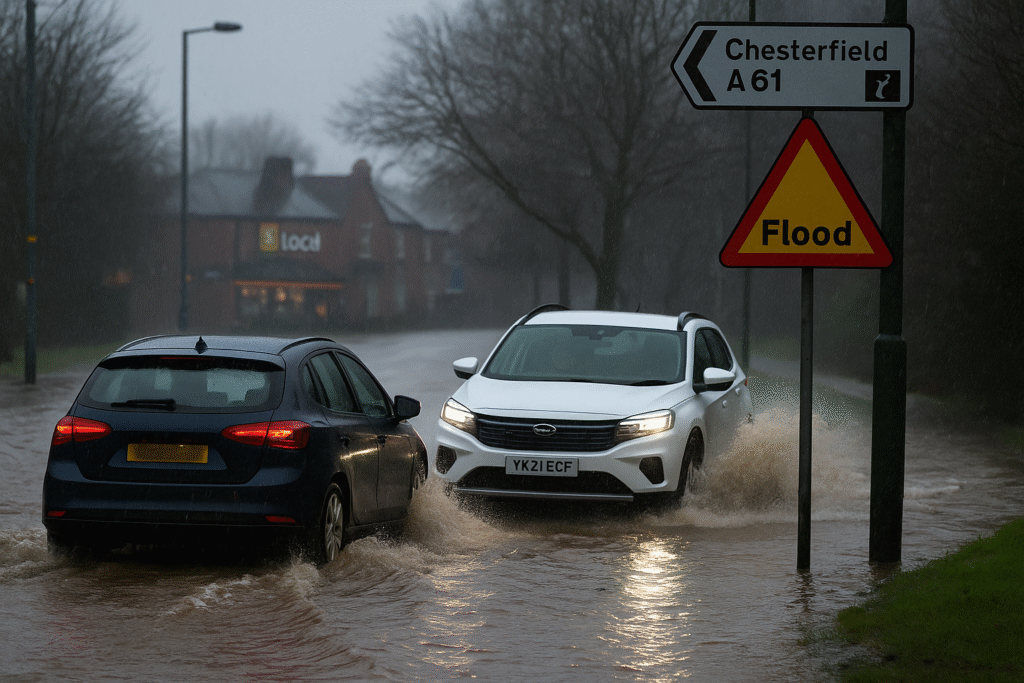
- Driving will become hazardous due to spray, poor visibility and flooded roads.
The national warning system defines yellow alerts as “be aware” and amber as “be prepared”. These alerts indicate an increased likelihood of disruption to travel and daily life.
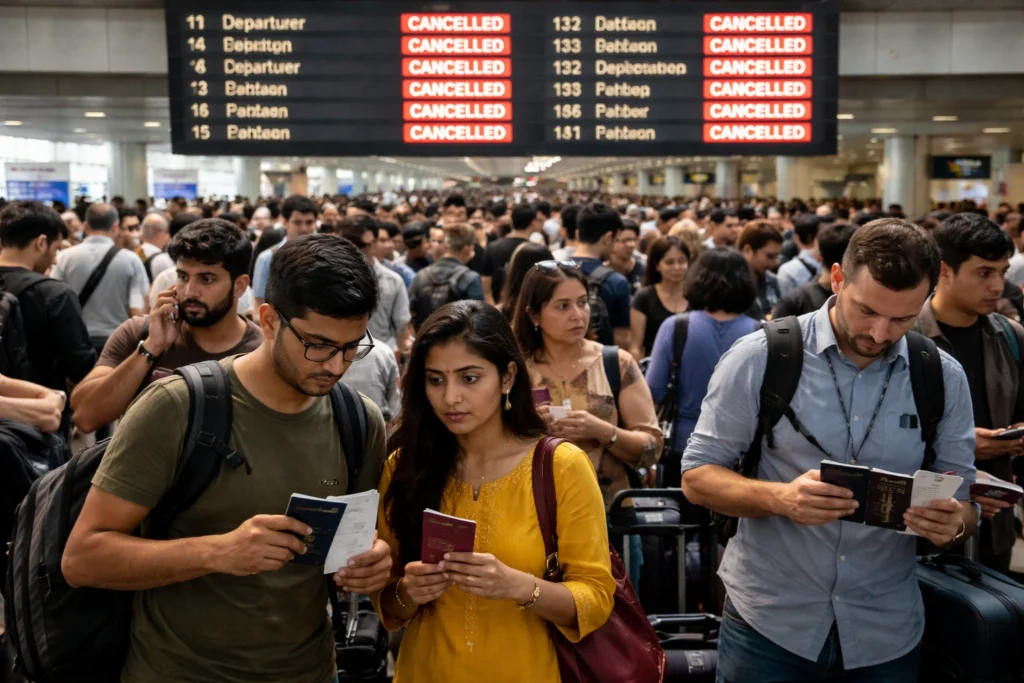
Travel Disruption: Expect Delays and Cancellations
To stay safe while travelling in these conditions, consider the following advice:
- Monitor road and rail updates carefully.
- Avoid starting long journeys unless absolutely necessary.
- Secure outdoor items such as bins, garden furniture and bikes against the wind.
- Inform others of your travel plan and arrival estimate.
Being informed and flexible with your schedule will reduce the risk associated with disrupted transport and hazardous roads.
Regional Highlights and Local Impacts
- North East England: Rapid surface water flooding possible. Make sure your emergency kit is accessible.
- London & South East England: Heavy rainfall expected—review travel plans and flood prevention measures.
- South West England & Wales: Elevated landscapes mean runoff will be strong; coastal gales may add extra danger.
- West Midlands & Yorkshire & Humber: Wet roads plus debris from winds increase the need for caution while travelling.
Government Advice and Safety Measures
Public authorities stress that early preparation is the most effective defence. By combining a ready emergency kit with a clear flood plan, households can face emergencies calmly. Residents are urged to check flood-risk maps, secure loose items and follow all travel and weather advice.
Staying alert to living-weather updates offers the best protection against disrupted travel, property damage and injury risk.
Final Word
As the UK braces for heavy rainfall, high winds and potential flooding, the message is clear: act now to protect yourself and your household. Make your emergency kit, map your exit plan, and stay informed on travel conditions. By following official advice and staying vigilant, you can face the storm with greater confidence and ensure your safety despite the severe weather ahead.
For more travel news like this, keep reading Global Travel Wire