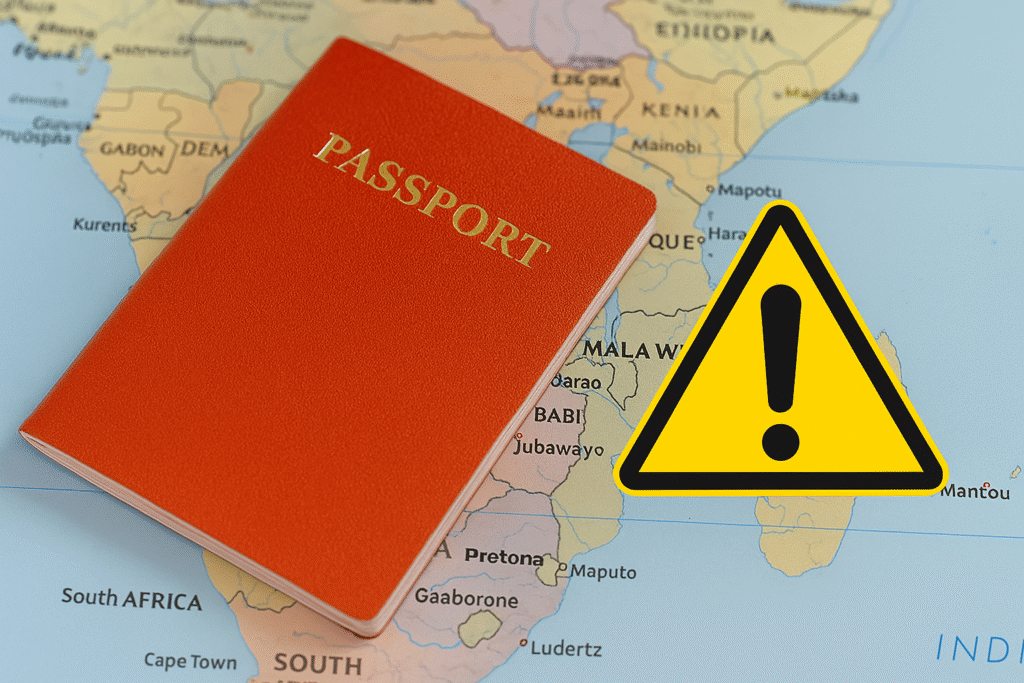
The UK has issued a fresh travel advisory for South Africa, Kenya, Tanzania, Morocco and Namibia as the cold season approaches. The update highlights rising crime risks, new identification requirements, frequent scams and increased chances of political protests. The advisory urges travelers to stay alert, plan carefully and follow local safety guidelines.
This update comes as several African nations face shifts in political stability, urban crime patterns, and civil demonstrations. While tourism remains open, visitors are urged to be more cautious, especially in major cities and popular tourist regions.
South Africa: Crime Spike and Stricter Entry Rules
South Africa remains a top travel destination, but the UK has flagged concerns about rising violent crime and sporadic protests. Cities like Johannesburg and Cape Town have seen increased incidents of robberies, carjackings and “smash-and-grab” attacks.
Hiking areas such as Table Mountain National Park have reported targeted attacks on tourists. Visitors are encouraged to stay on marked trails and avoid isolated paths during early or late hours.
South Africa has also tightened entry requirements. Travelers must carry a passport valid for at least 30 days after departure and ensure two blank pages are available. Families traveling with minors may need additional documents, including birth certificates.
Kenya: Terror Threat and Urban Crime Risks
Kenya faces heightened security concerns due to terror threats linked to groups operating near the Somalia border. Regions like Garissa and Lamu are considered high-risk, and travelers are urged to avoid border areas entirely.
Major cities, including Nairobi and Mombasa, face challenges with petty theft, armed robberies and carjackings. Visitors are advised to avoid quiet streets, especially at night, and remain cautious in crowded public spaces, shopping centers and transport hubs.
Political protests also occur periodically, often triggered by election cycles or economic grievances. These gatherings may escalate without warning.
Travelers must carry identification at all times, as Kenya enforces regular ID checks at roadblocks and security points.
Tanzania: Border-Area Tensions and Urban Theft
Tanzania remains popular for safari tourism and beach holidays but faces emerging security concerns. While major cities stay relatively calm, border regions near Mozambique have seen activity by extremist groups.
Political protests have been recorded following election cycles. Although they are less frequent today, visitors are urged to avoid political gatherings.
Urban areas such as Dar es Salaam and Zanzibar continue to report pickpocketing, bag snatching and nighttime theft. Tourists should stay in well-lit areas, avoid isolated beaches after dark and secure personal belongings.
Morocco: Tourist Scams and Occasional Unrest
Morocco draws millions of tourists, but the UK has cautioned visitors about rising tourist scams, particularly in the medina districts of Marrakech, Fes and Casablanca. Fake “local guides,” inflated service charges and aggressive solicitation are common.
While major terror incidents are rare, Morocco continues to maintain high security around tourist sites. Political demonstrations can occur in city centers, sometimes disrupting traffic and business activity.
Pickpocketing and street theft remain concerns, especially in crowded souks and transport hubs. Visitors are encouraged to stay alert and avoid displaying valuables.
Namibia: Vehicle Crime and Tightened ID Checks
Namibia’s serene landscapes attract many travelers, yet the UK advisory notes rising vehicle-related crime in urban areas. Windhoek, the capital, has seen an increase in car break-ins and theft attempts at intersections and fuel stations.
Muggings occur occasionally, though less frequently than in other regions. Tourists should avoid carrying large amounts of cash and be cautious at night.
Authorities have also introduced stricter ID checks. Travelers must keep their passports or certified copies accessible when passing through police checkpoints. Yellow fever vaccination proof may be required for travelers arriving from high-risk countries.
Other Nations Under Watch
Countries such as Nigeria and Algeria continue to face security issues linked to political instability, crime and terrorism. Travelers to these regions are urged to review official requirements, vaccination rules and customs restrictions before entry.
Essential Safety Tips for Travelers in Africa
- Stay informed: Monitor local news and official travel alerts throughout your trip.
- Use comprehensive insurance: Ensure coverage for medical care, evacuation and travel disruptions.
- Avoid high-risk areas: Steer clear of protests, isolated urban areas and regions with active security warnings.
- Protect valuables: Use hotel safes, keep bags secure and avoid displaying electronics or jewelry.
- Travel with others: Group travel reduces risk in unfamiliar or high-risk areas.
The UK’s updated advisory does not discourage travel but calls for heightened caution. Africa remains one of the world’s most diverse and rewarding regions for tourism. By staying alert and well-prepared, travelers can enjoy its landscapes, wildlife and cultural experiences while minimizing risk.
For more travel news like this, keep reading Global Travel Wire