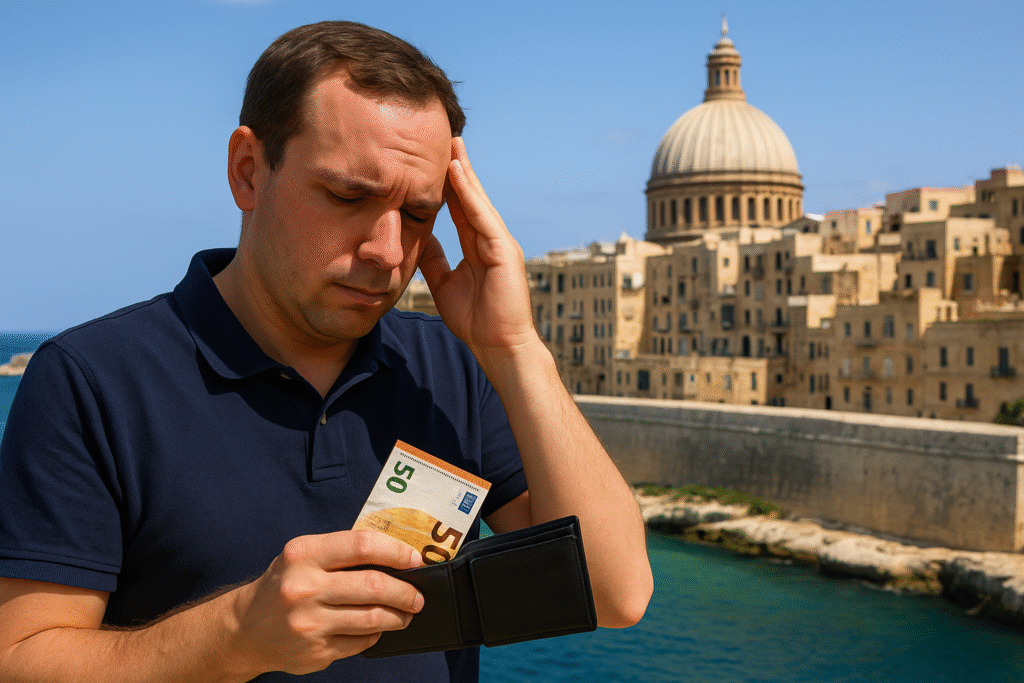
The UK Foreign Office has issued a renewed advisory to British travelers heading to Malta, warning of a noticeable increase in scams and fraudulent schemes targeting tourists. The Mediterranean island, famous for its golden beaches, crystal-clear waters, and UNESCO-listed capital Valletta, has seen a surge in tourism in recent years. With this influx, however, comes a troubling rise in deceptive activities designed to exploit visitors.
According to the advisory, scams now appear in various forms: fake business ventures, fraudulent job offers, and even romance or friendship scams conducted online before luring victims into face-to-face meetings. These schemes can result in severe financial loss and emotional distress, making awareness crucial for any traveler considering a Maltese holiday.
Why Malta Remains Popular
Despite the warnings, Malta remains one of Europe’s most beloved destinations. Its strategic location in the Mediterranean offers warm weather, rich cultural heritage, and a vibrant nightlife scene. Tourists are drawn to historic landmarks like Mdina, the “Silent City,” and natural wonders such as the Blue Lagoon on Comino. Culinary experiences, blending Italian and North African influences, add to the island’s unique charm.
The country’s safe environment and welcoming hospitality make it a consistent favorite among UK tourists. However, as with all popular destinations, the risk of scams tends to rise alongside the increase in visitor numbers.
How Scammers Operate
Fraudsters often prey on trust, beginning with unsolicited approaches online or in person. Tourists may be offered lucrative job opportunities, quick-return investments, or romantic connections. The UK advisory highlights that these interactions often escalate into requests for money or personal financial details, eventually leading to significant losses.
Travelers are urged to remain cautious when approached by strangers offering deals “too good to be true” and to avoid disclosing sensitive personal or banking information. The advice also extends to digital communication, where phishing messages and fake profiles have become increasingly common.
What To Do If You’re Targeted
If you suspect you have fallen victim to a scam while in Malta, the UK government urges immediate action. Contact your bank to secure your accounts, and report fraudulent activity to Action Fraud, the UK’s national reporting center for fraud and cybercrime. Scottish residents are advised to report incidents directly to Police Scotland.
Prompt reporting not only helps safeguard your own finances but also assists authorities in identifying patterns of crime and preventing further scams.
Passport and Border Requirements
Beyond financial fraud, travelers are reminded of strict passport regulations when entering Malta. As a Schengen Area member, Malta enforces specific entry requirements:
- Passports must not be older than 10 years on the date of entry.
- Passports must remain valid for at least three months after the intended departure date from the Schengen Zone.
Failure to meet these conditions could result in denial of entry. Tourists are advised to double-check their documents before departure to avoid last-minute complications.
Upcoming EU Travel System Changes
From October 12, 2025, the European Union will implement the Entry/Exit System (EES) for all Schengen countries, including Malta. This new system will require biometric data collection, such as fingerprints and photographs, from non-EU travelers. It also includes electronic records of entry and exit, designed to enhance security and streamline border crossings.
British travelers are encouraged to familiarize themselves with this system to ensure smoother travel in the future and avoid unnecessary delays at border control.
Health, Insurance, and Safety Preparations
The Foreign Office also emphasizes the importance of preparing for health and safety while abroad. Before traveling to Malta, ensure that your insurance covers medical treatment and emergency evacuation. Malta’s healthcare system is modern and efficient, but access can be costly without proper insurance coverage.
In emergencies, travelers are advised to contact their tour operator or insurance provider first, as these entities are best positioned to provide immediate support. Whether dealing with lost luggage, sudden illness, or more severe incidents, understanding your coverage can make a significant difference in response times and assistance.
A Balanced Approach to Travel
While these advisories highlight real risks, Malta remains a safe and welcoming destination for millions of visitors annually. The key lies in balance: enjoying the country’s rich offerings while staying alert to potential threats. Simple precautions, such as verifying offers, safeguarding personal data, and preparing travel documents correctly, can ensure a stress-free holiday.
From exploring Valletta’s cobblestone streets to sailing around Gozo’s dramatic coastline, Malta provides endless opportunities for unforgettable experiences. By staying informed and vigilant, UK travelers can focus on the beauty and hospitality of this Mediterranean gem without unnecessary worry.
For more travel news like this, keep reading Global Travel Wire